10 Neat Things about Sunflowers

By Shauna Dobbie    August 15, 2024

These lovelies face the sun, can grow as high as 16 feet and as low as 12 inches, and can absorb radioactive substances right out of the soil. Sunflowers are more than you would think, passing by a field!

Find out 10 Neat Things about Sunflowers here.

1. Track the sun.

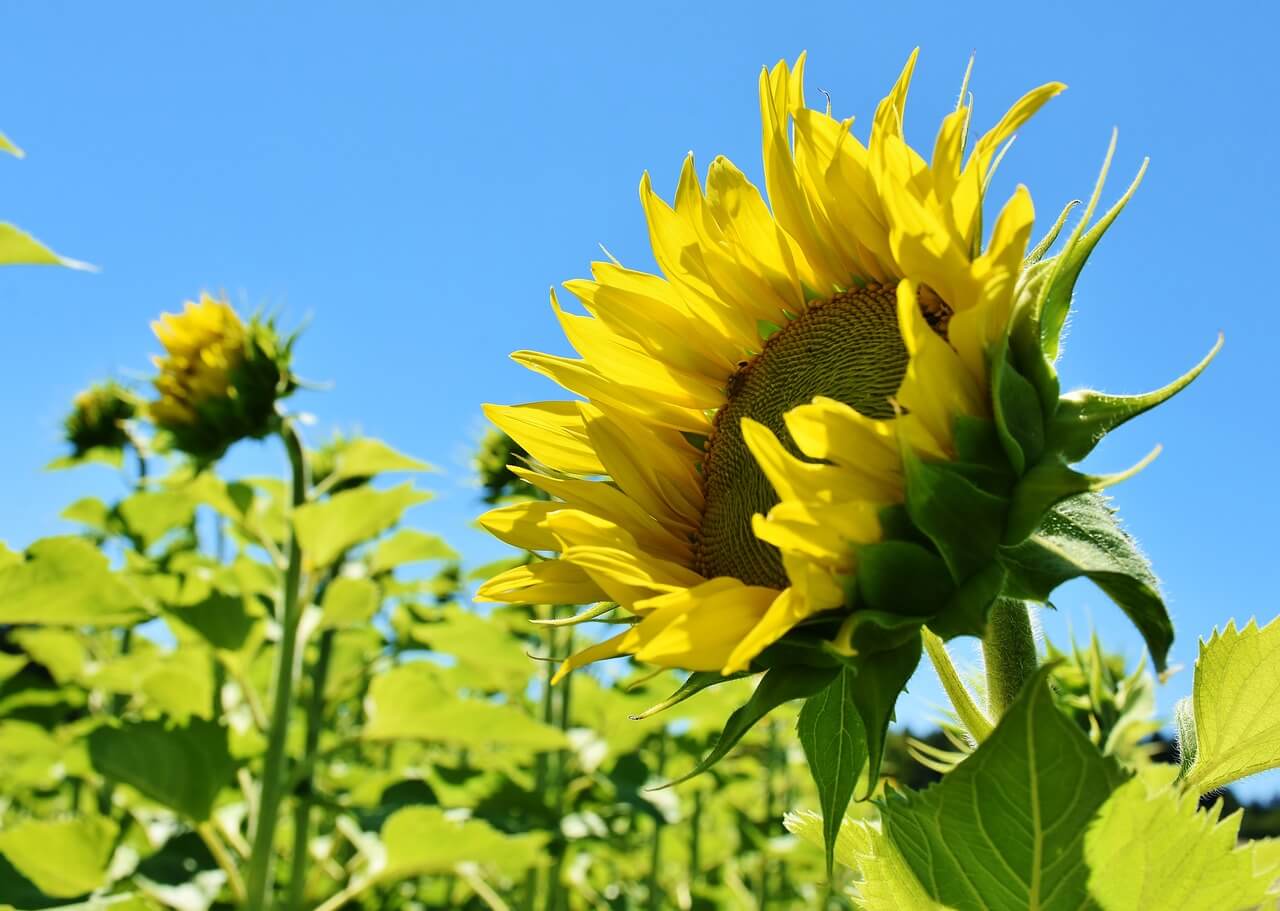
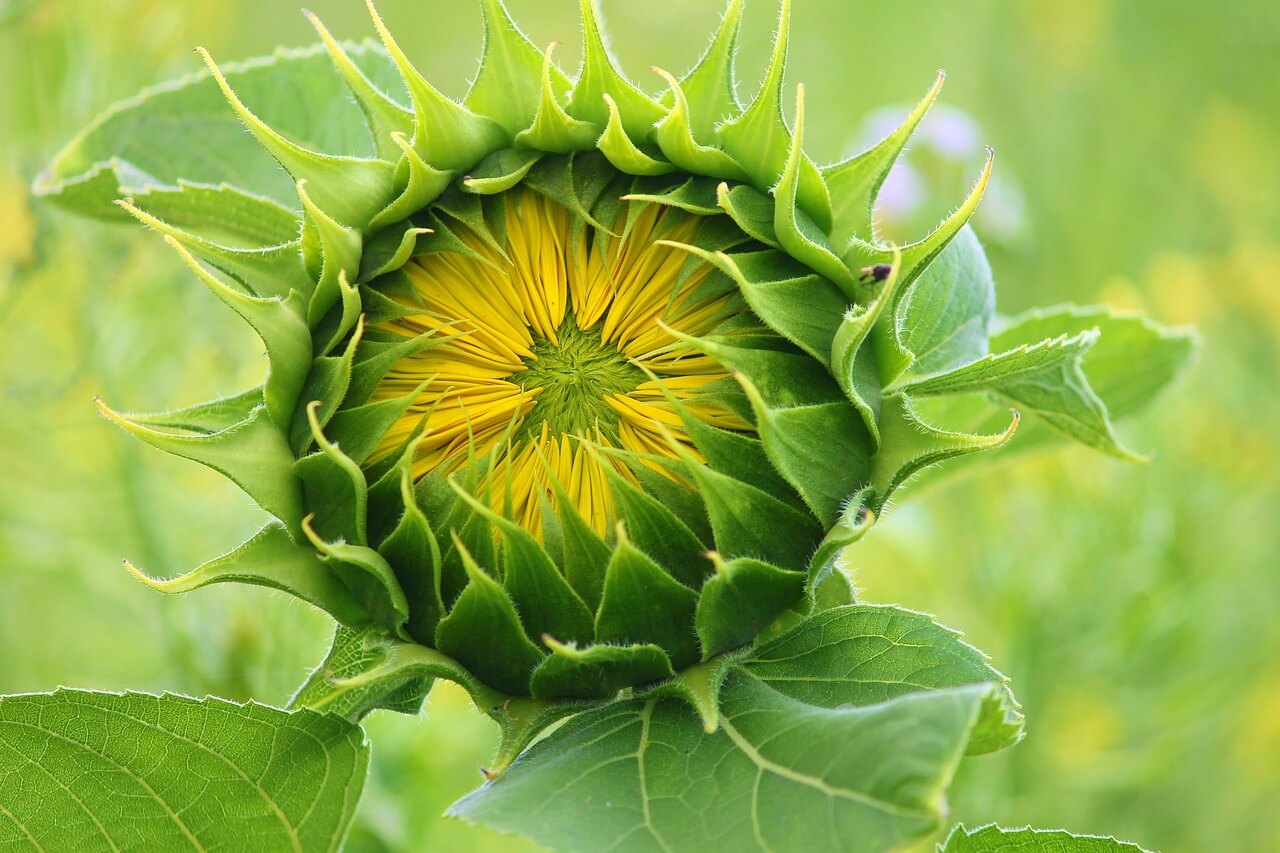
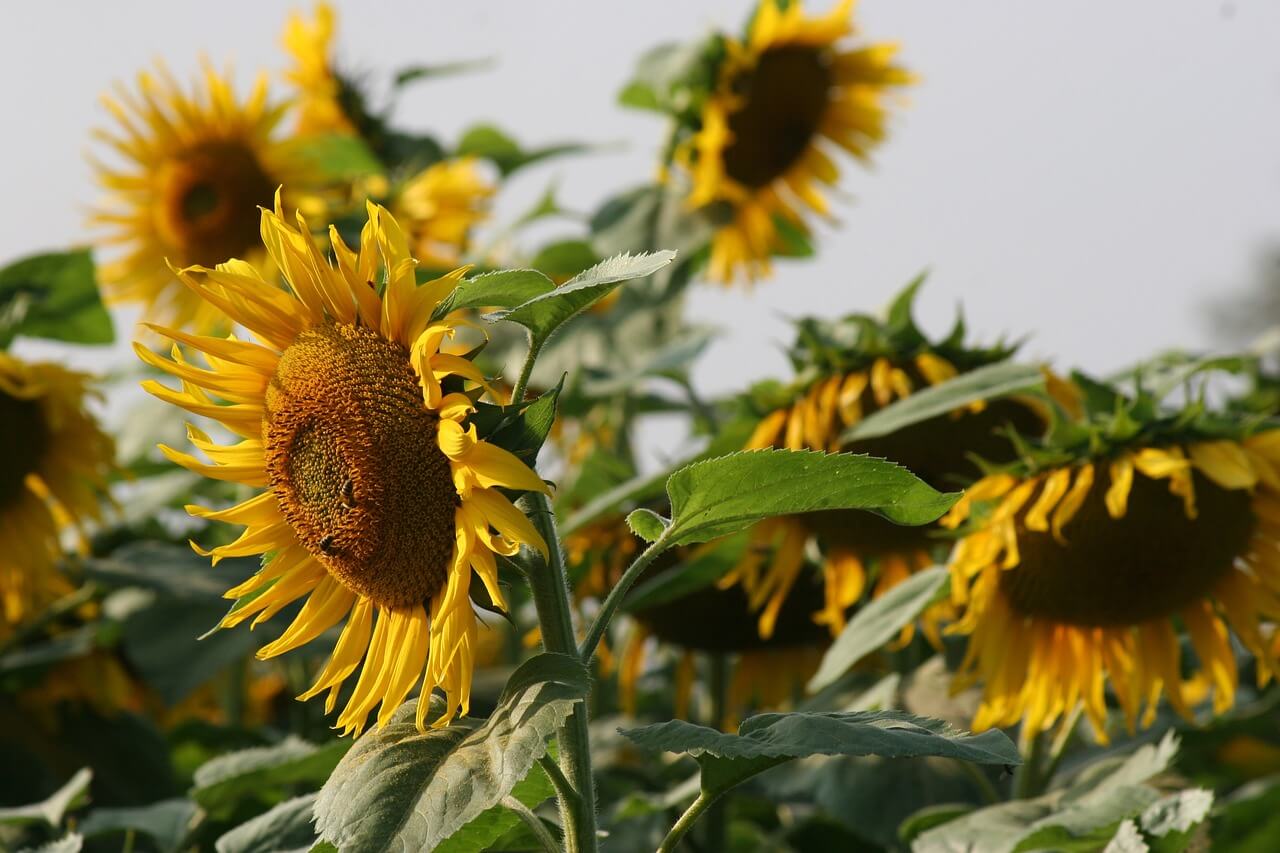
Young sunflower plants (Helianthus annuus) are heliotropic, meaning they track the sun from east to west during the day, and then reset overnight to face east again at dawn. This behavior, called solar tracking, helps maximize their energy absorption. The leaves as well as the flower heads make these adjustments to increase photosynthesis action. Mature sunflowers typically stop moving and permanently face east to attract more pollinators.

2. They must be giants.

Some varieties of sunflowers can grow over 12 feet tall with flower heads that are more than a foot wide. The tallest sunflower on record reached over 30 feet!

3. Deep roots.

Sunflower roots can grow up to 6 feet deep in the soil, which helps them access water from deeper layers, making them relatively drought-resistant and efficient at stabilizing ground. At the same time, the roots exude acids and organic compounds into the surrounding soil. This area is a hotbed of biological activity where plants communicate with and manipulate their environment to improve their growth conditions, enhance nutrient uptake, and protect against pathogens.

4. Allelopathic properties.

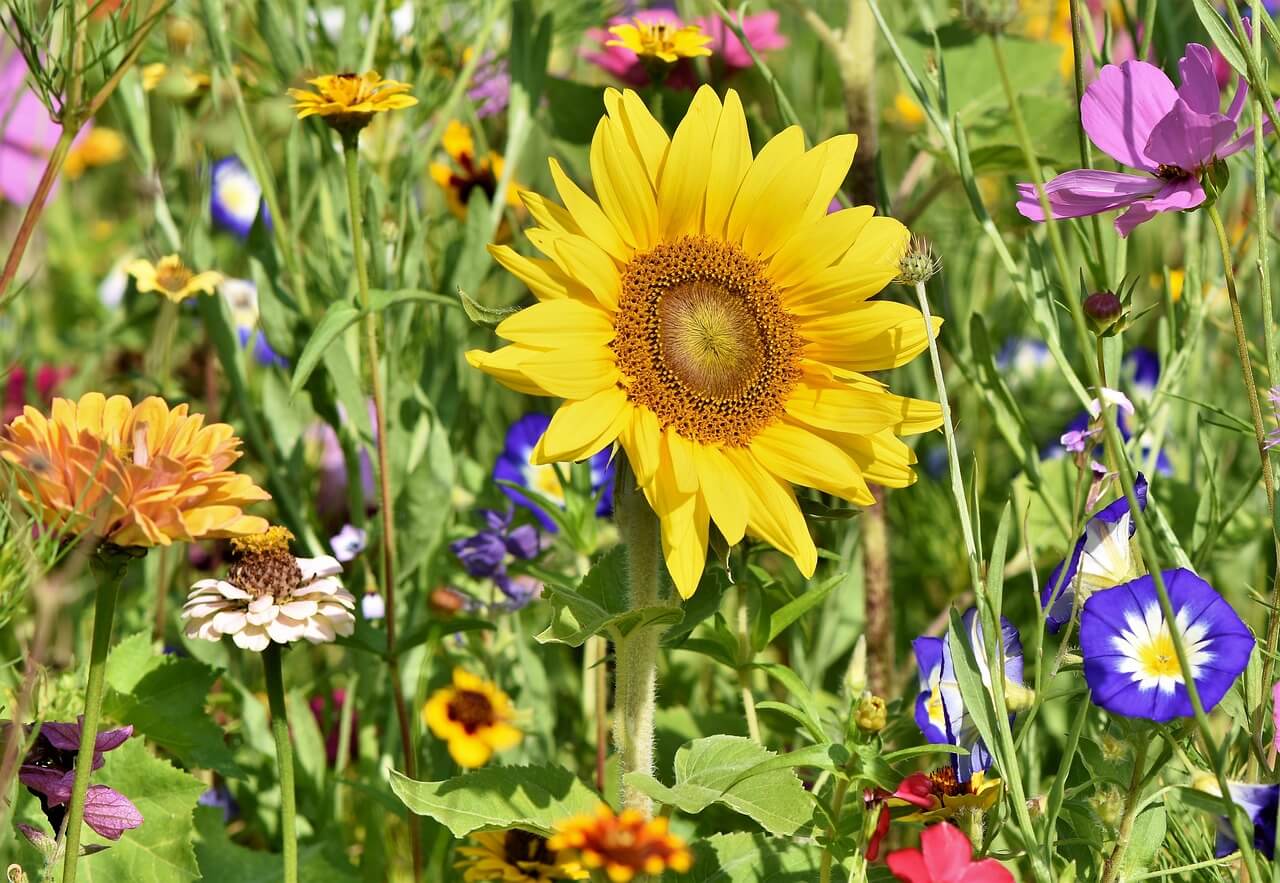
 Some of the substances produced by sunflowers can inhibit the growth of other plants around them, an attribute known as allelopathy. This makes them competitive against weeds but can impact the growth of other plants in gardens. Some flowers are not sensitive to these substances, including marigolds, lavender, ornamental grasses and daylilies. In general, though, keep sunflowers in their own area!

5. Built-in Fibonacci sequence.

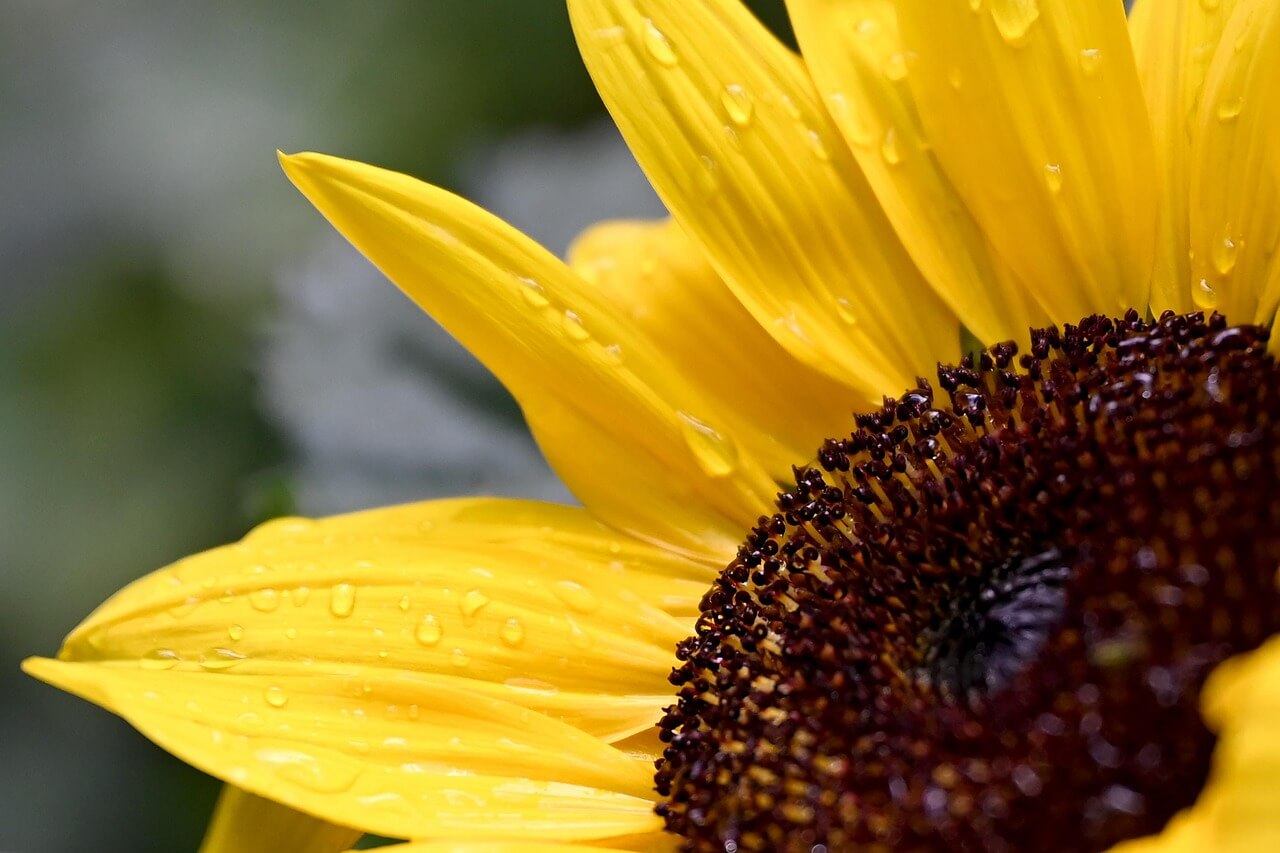
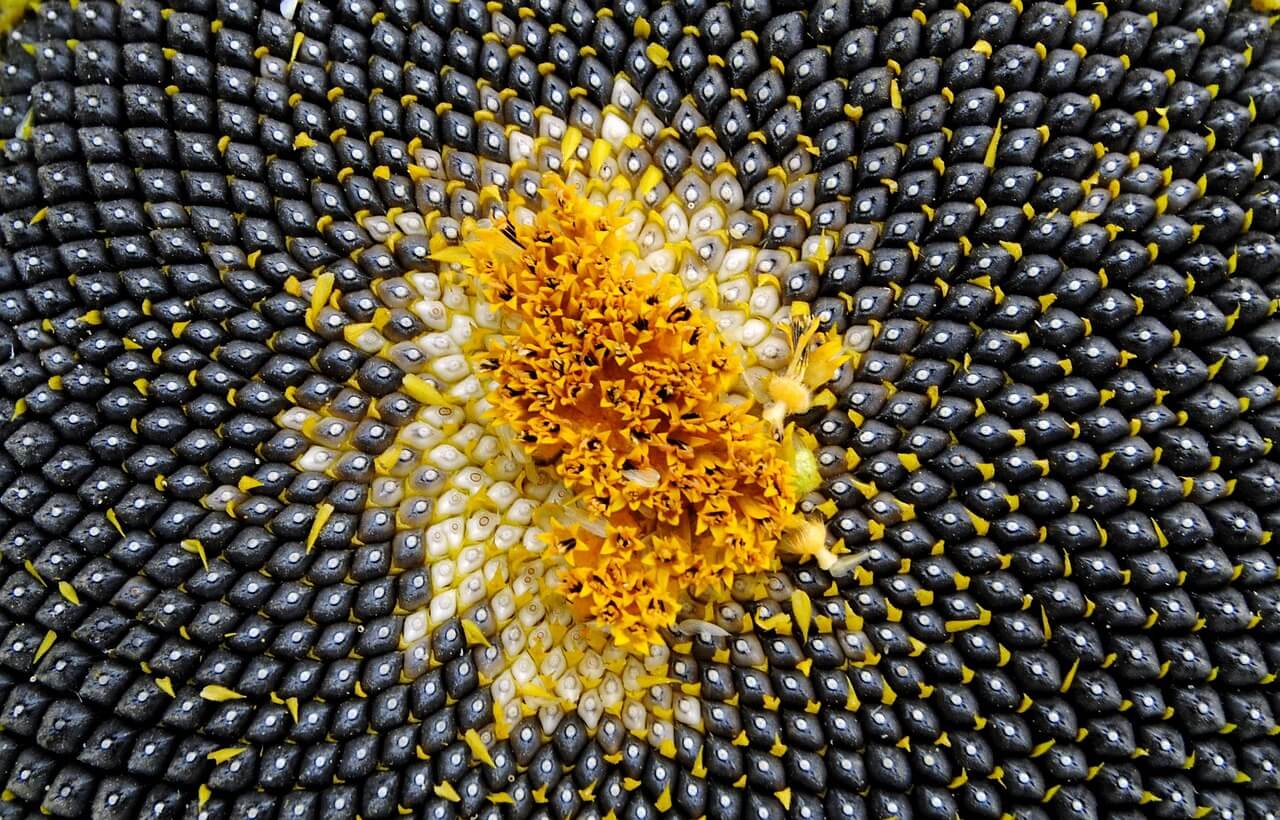
The arrangement of seeds within a sunflower follows the Fibonacci sequence, which is a series of numbers where each number is the sum of the two preceding ones. This arrangement allows for the most efficient packing of seeds in the flower head.

6. Nuclear remediation.

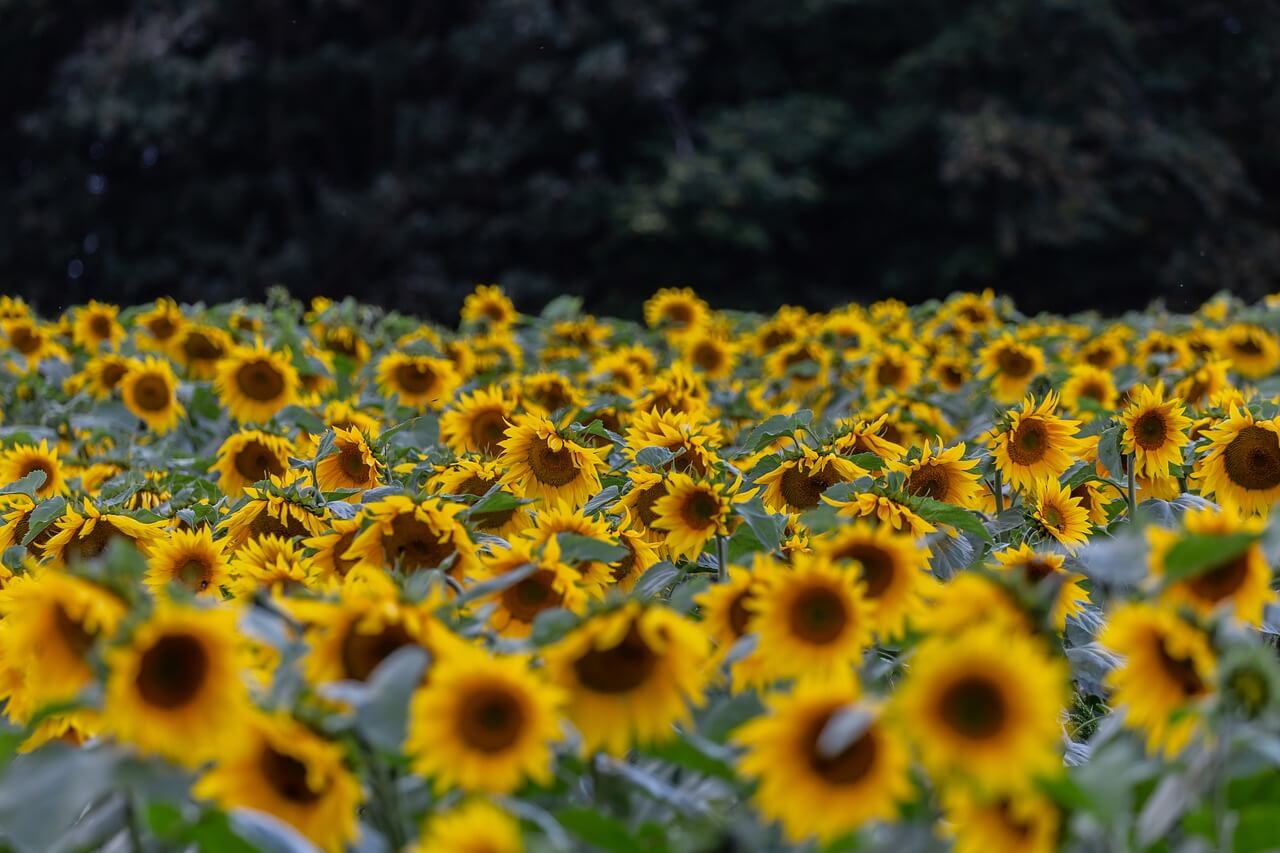
Sunflowers can absorb toxic metals and radioactive substances from the soil, making them useful for bioremediation. For example, they were used around Chernobyl and Fukushima nuclear disaster sites to help remove radionuclides. Sunflowers grow fast and big, which makes them particularly good at remediating soil, and they are particularly effective at hyperaccumulating certain radioactive isotopes. Once they have sequestered the isotopes, though, they become radioactive waste and must be disposed of accordingly.

7. Edible and nutritious.

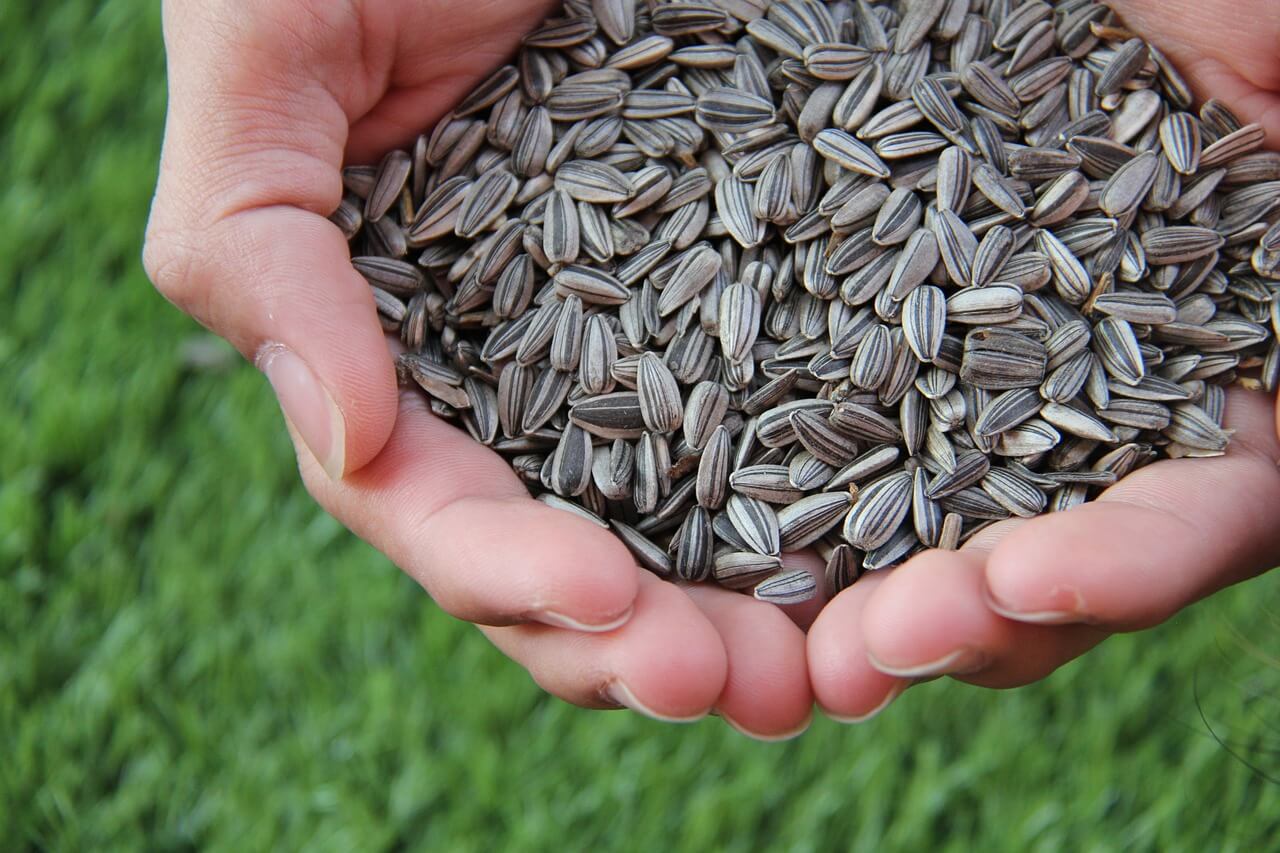
Almost all parts of the sunflower are edible. The seeds are high in oil, protein, and essential nutrients. The petals are edible and can be used for dyes, while the stalks and leaves can be used as fodder. Even the roots are edible, but not particularly toothsome. For better roots, look to the rhizomes of sunflower’s sister, Helianthus tuberosus, also known as Jerusalem artichokes.

8. Sunflower oil.

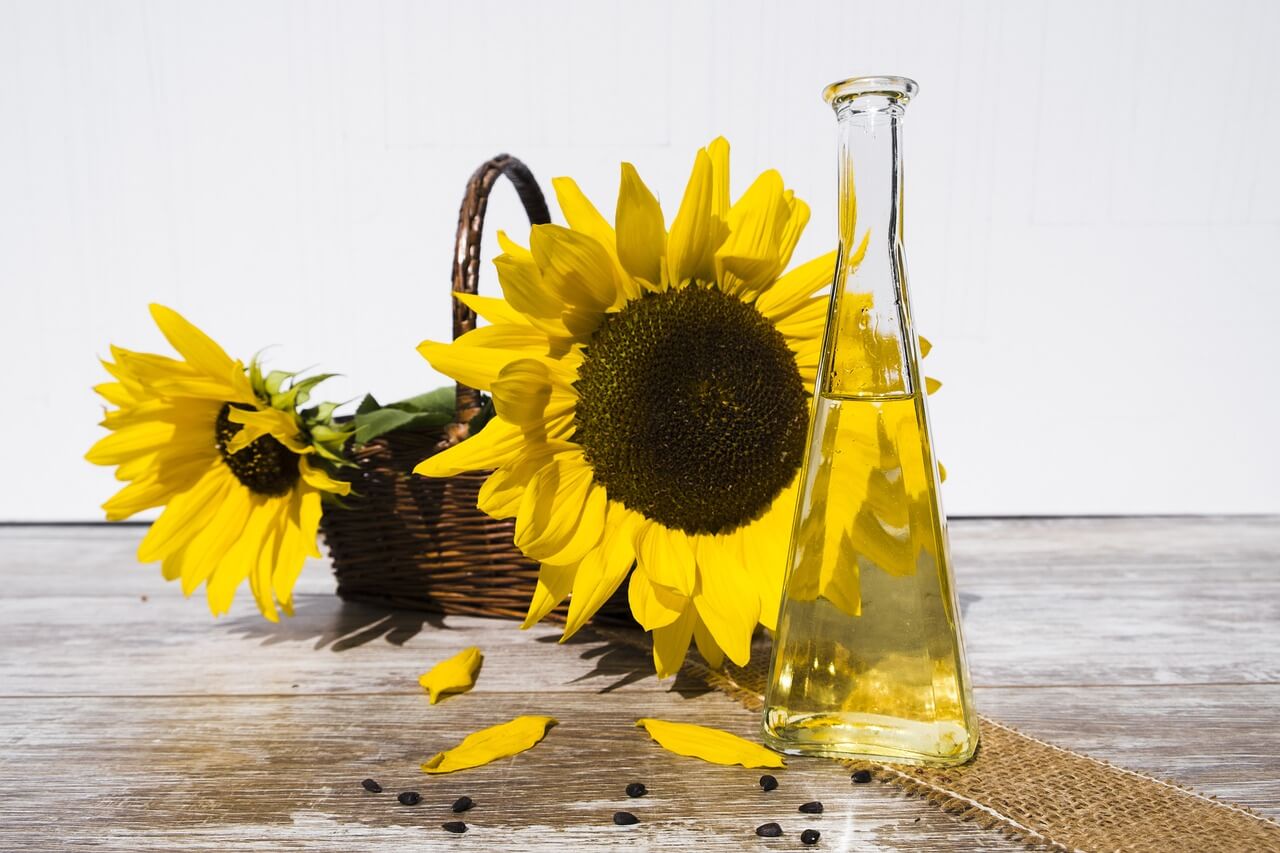
Sunflower oil, derived from the seeds, is a healthy vegetable oil high in vitamin E and low in saturated fat. It’s used globally in cooking, cosmetics, and even as a biofuel. As a biofuel, it burns cleaner than diesel and is easily and quickly renewable.

9. Pollinator attraction.

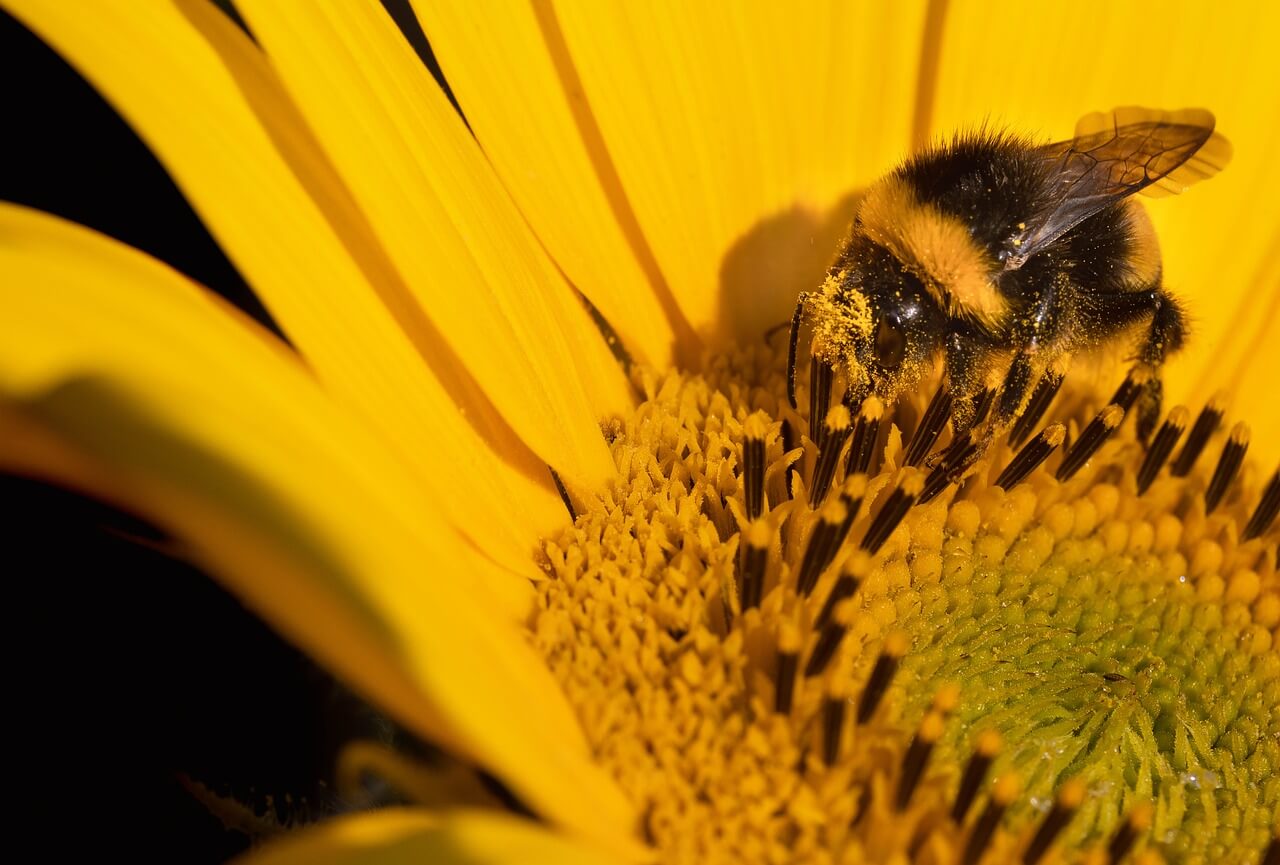
Sunflowers are excellent at attracting bees and other pollinators, which is vital for agricultural and ecological health. Their large, bright heads provide ample nectar and pollen, making them a favorite among beekeepers. They bloom and produce nectar for an extended period and honey made from sunflowers has a pleasant taste and lovely yellow colour.

10. Sunflowers in Ukraine.

Sunflowers are the national flower of Ukraine. The country is one of the largest producers in the world (along with Russia). It was used as a symbol in numerous demonstrations in 2022, popularized when an old woman gave seeds to Russian soldiers and told them to keep them in their pockets so sunflowers would grow where they died. As a symbol of peace, in 1994, US President Bill Clinton and Ukrainian President Leonid Kuchma planted sunflowers together at the abandoned Pervomaisk missile base.

10 Neat Things

10 Neat Things about Sunflowers

Lorem ipsum dolor sit amet, consectetur adipiscing elit. Ut elit tellus, luctus nec ullamcorper mattis, pulvinar dapibus leo.