10 neat things about common garden advice that doesn’t hold up

Gardeners share advice generously, but much of it was never meant to travel far from the conditions it came from. What works in one soil, climate, or season can fail quietly in another. The result is a body of advice that sounds convincing but often doesn’t match how plants and soils behave.

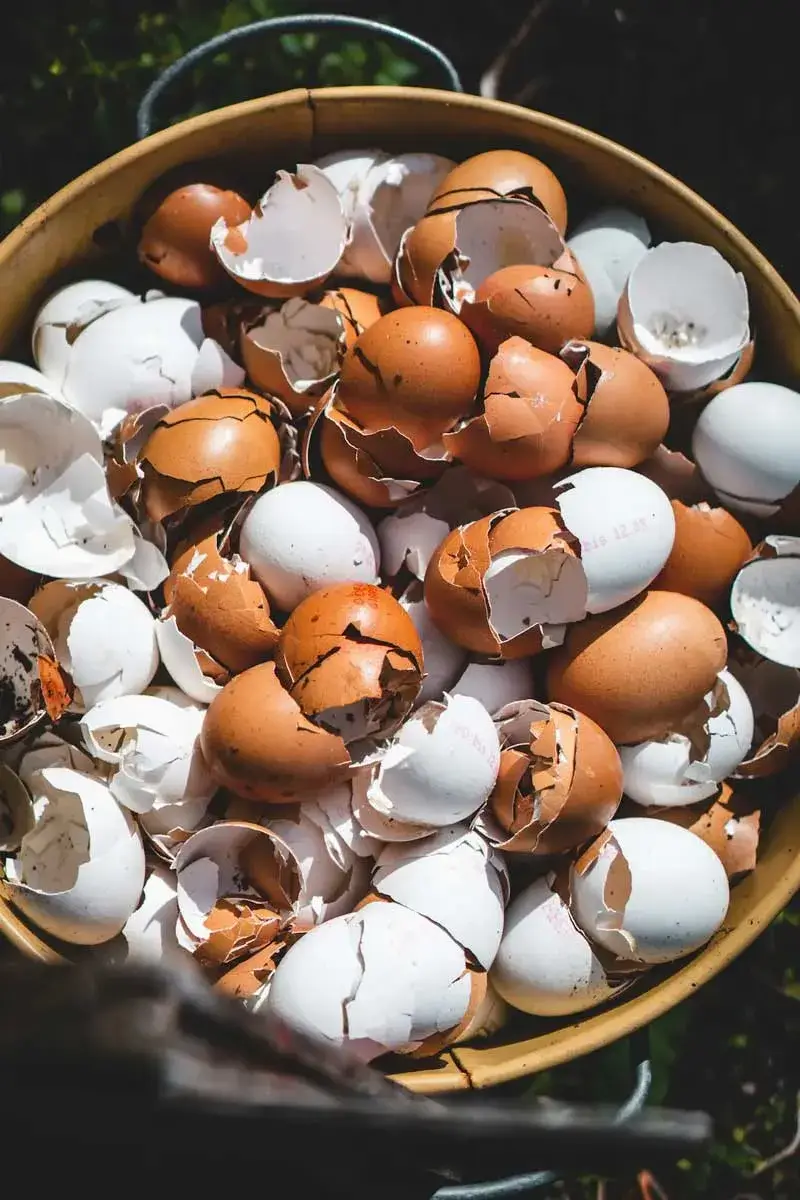
1. Eggshells are a quick calcium fix

Eggshells are mostly calcium carbonate, which plants do need. The issue is timing. In most garden soils, especially in cooler climates, they break down very slowly and remain largely unavailable to plants for months or longer. Calcium deficiencies, such as blossom end rot in tomatoes, are usually tied to inconsistent watering rather than a true lack of calcium in the soil. Adding eggshells doesn’t address the underlying cause.

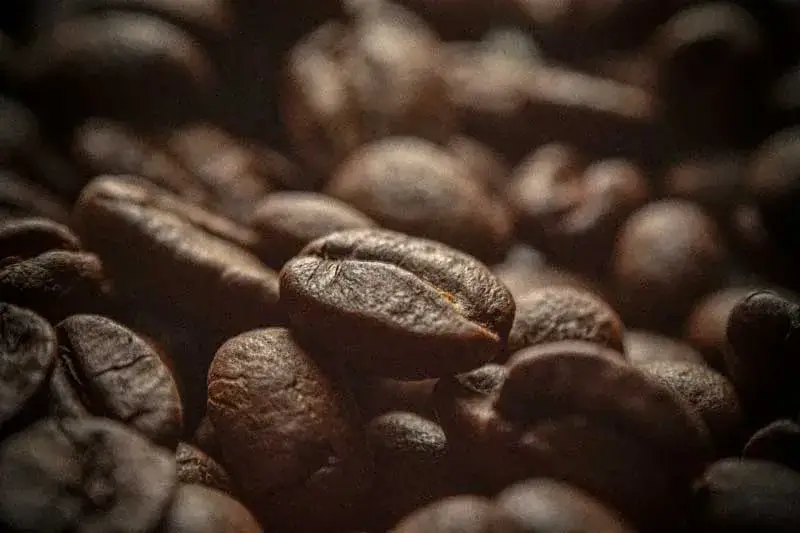
2. Coffee grounds improve any soil

Coffee grounds are often promoted as a simple soil booster. While they do contain organic matter and small amounts of nutrients, fresh grounds can temporarily tie up nitrogen as microbes begin breaking them down. They can also form a dense layer if applied thickly, limiting water movement. Their effect depends on how they are used, how much is applied, and what the soil already needs.

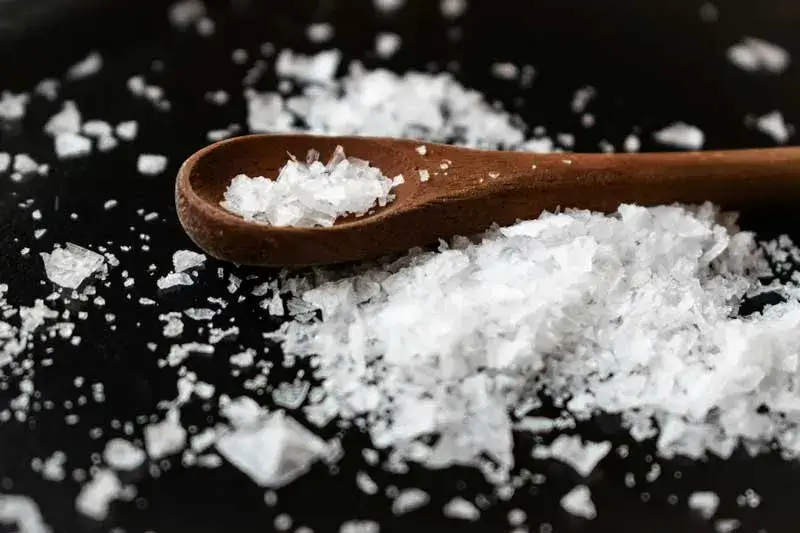
3. Epsom salts solve most plant problems

Epsom salts provide magnesium and sulphur, both essential nutrients. The problem is that true magnesium deficiency is relatively uncommon in many garden soils. Adding it “just in case” can interfere with calcium and potassium uptake, because these nutrients compete in the soil. Without a clear deficiency, the plant response is often neutral at best.

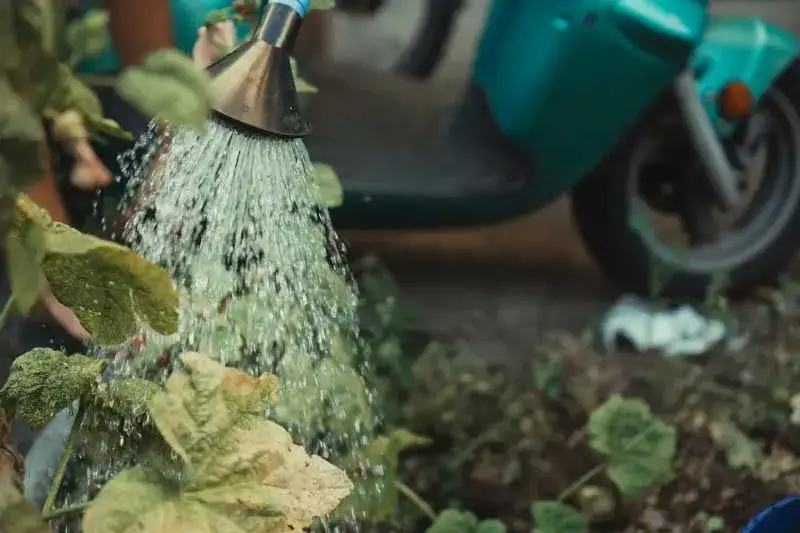
4. Water a little every day

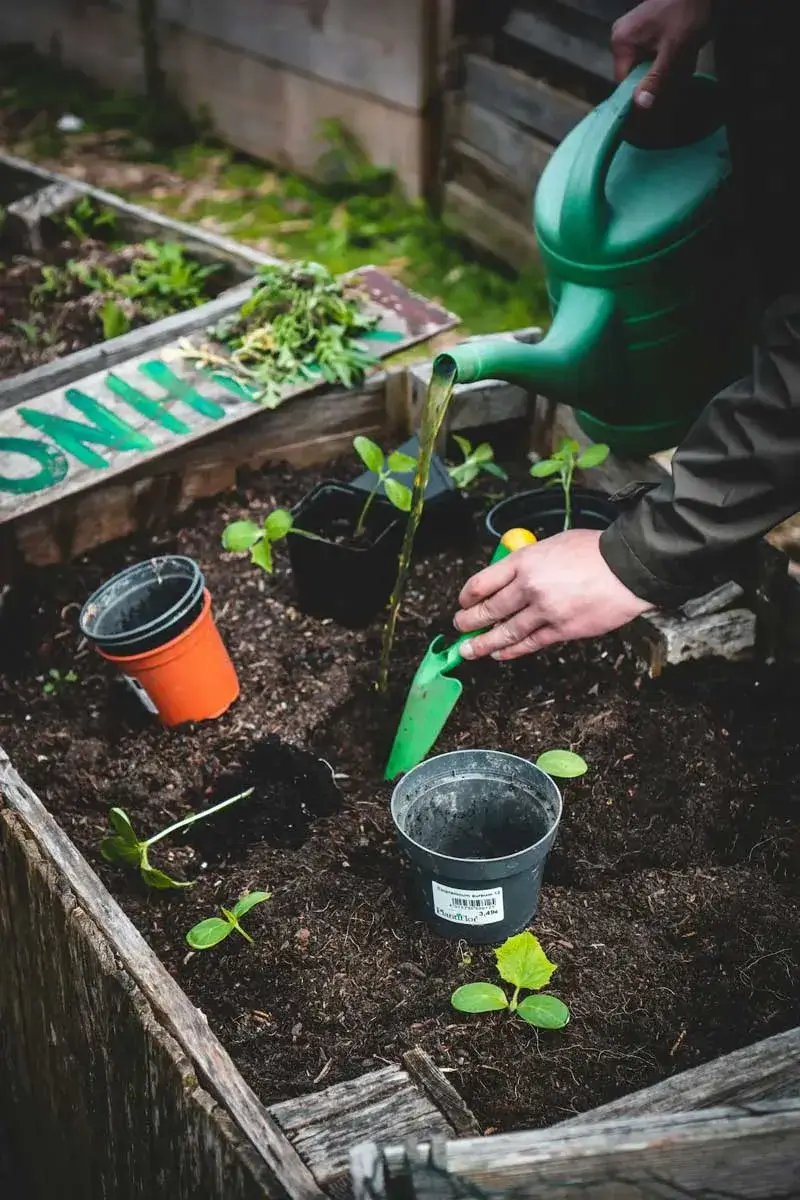
Daily watering feels like good care, but it keeps moisture near the surface. Roots respond by staying shallow, where conditions dry out quickly. This makes plants more vulnerable to heat and drought stress. Deeper, less frequent watering encourages roots to grow downward into more stable moisture zones, improving resilience over time.

5. Planting dates are universal

Seed packets and charts offer clear timelines, but they simplify a complex reality. Soil temperature drives germination and early growth far more than calendar dates. In a prairie spring, soil can remain cold long after the air warms, delaying emergence. Planting by date alone often leads to slow, uneven growth or seed rot. You need to know your first and last frost dates, or at least use dates for your specific area.

6. Full sun means the same everywhere

“Full sun” is usually defined as six or more hours of direct light, but intensity matters. Sunlight in northern regions is less intense than in southern climates, and factors like humidity, wind, and day length all influence plant response. A plant that tolerates full sun in one region may experience stress or leaf scorch in another.

7. Companion planting always works

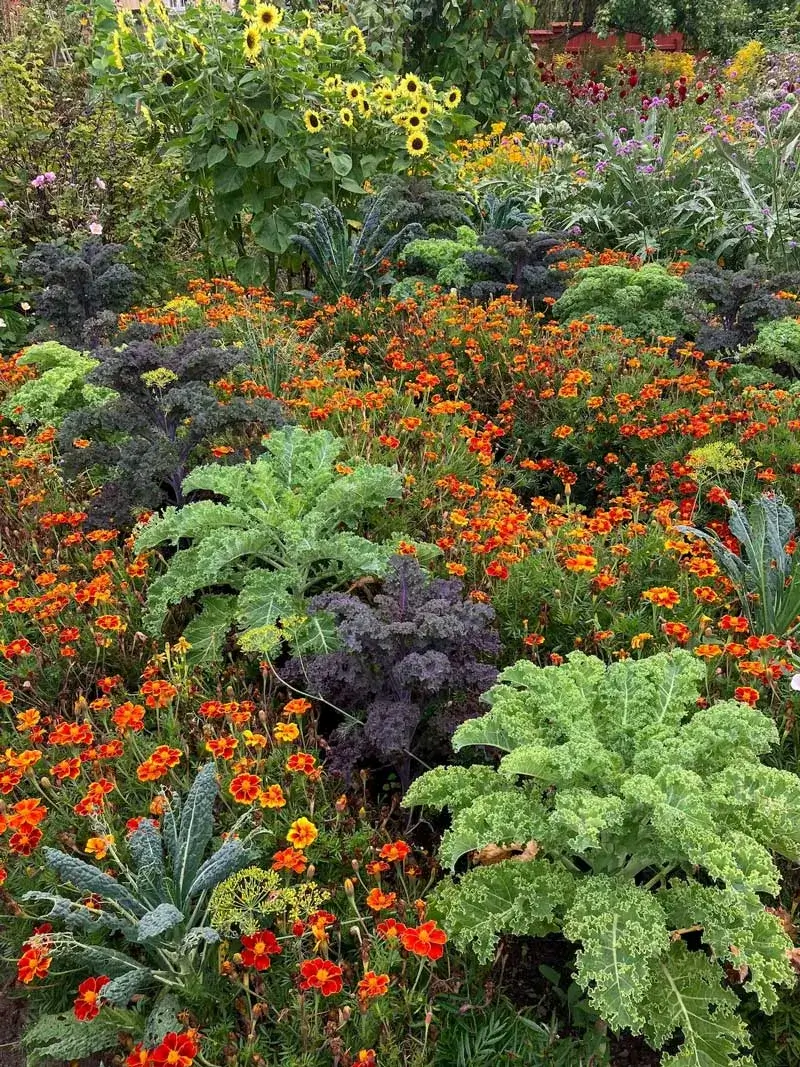
Some plant combinations do have measurable effects, such as trap cropping or attracting beneficial insects. However, many widely shared pairings are based on tradition rather than consistent evidence. Results vary because pest populations, spacing and environmental conditions differ. What appears effective in one garden may not repeat in another.

8. Adding sand will fix clay soil

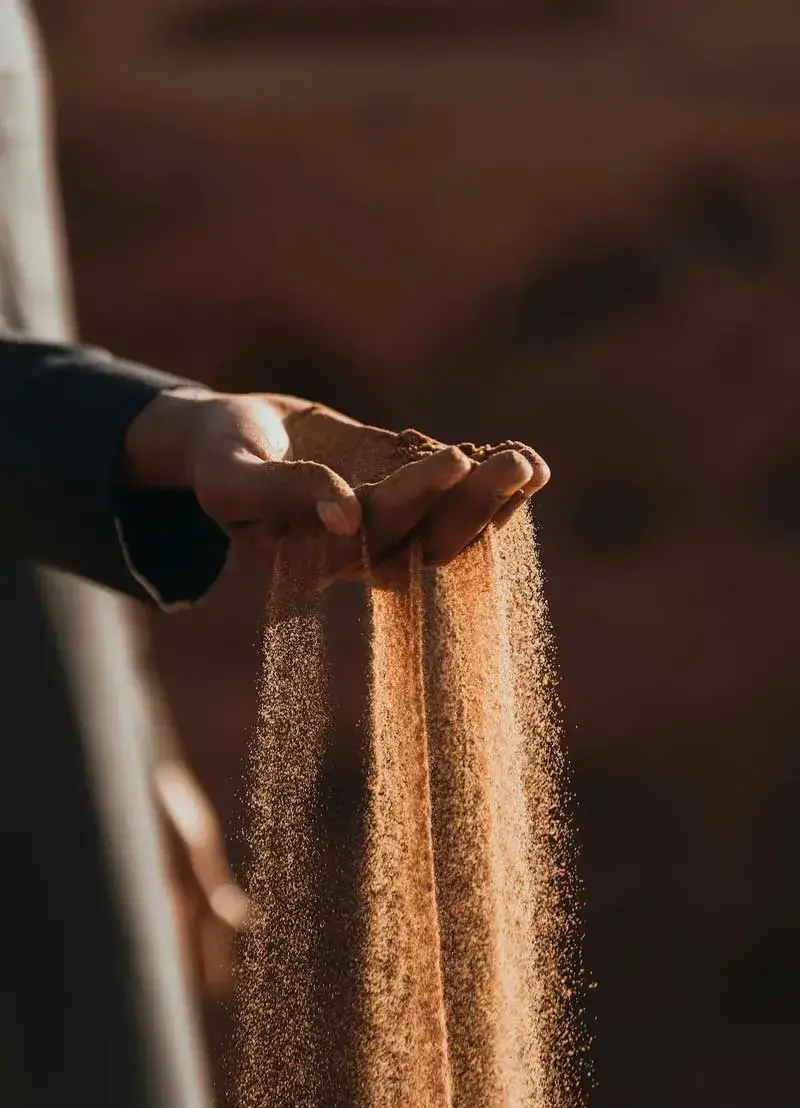
It seems logical that sand would loosen heavy clay. In practice, small amounts of sand mixed into clay often create a tighter, more compact structure, similar to low-grade concrete. Improving clay soil usually requires adding significant organic matter over time, which helps create better structure and drainage.

9. More fertilizer means more growth

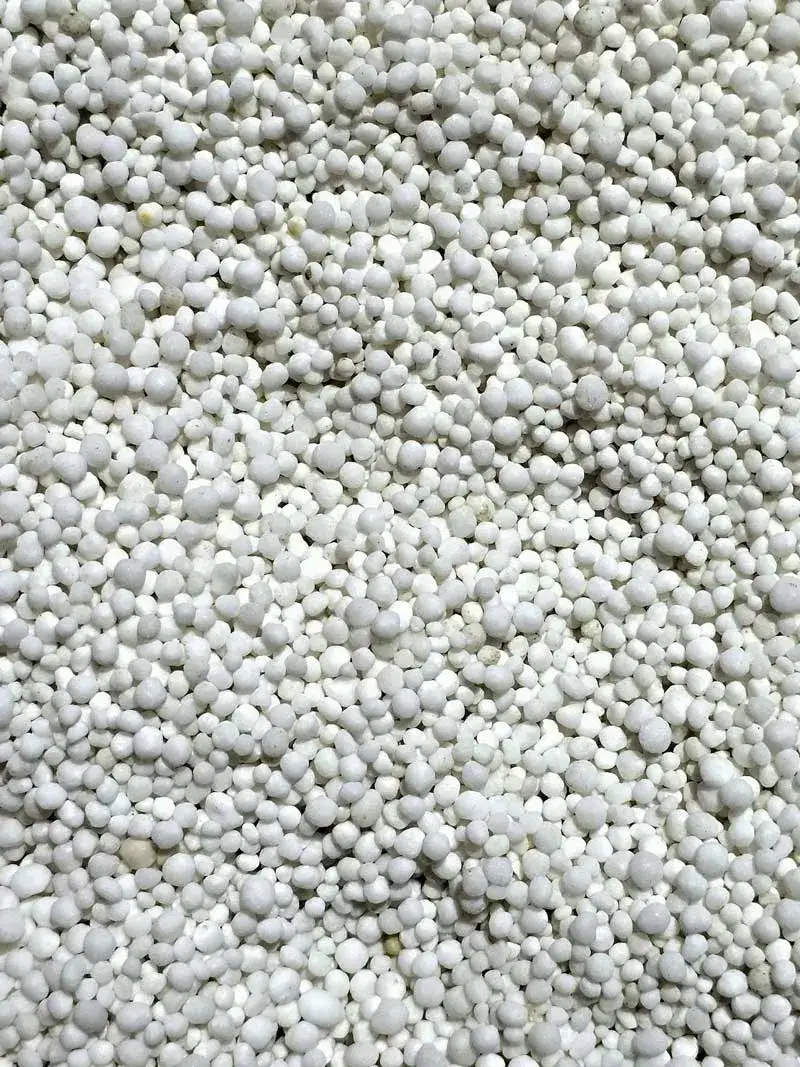
Fertilizer can correct nutrient deficiencies, but excess nutrients can push plants into rapid, weak growth. This often results in lush foliage with fewer flowers or fruits and can make plants more attractive to pests. In some cases, excess salts from fertilizer can build up in the soil, further stressing roots.

10. Organic methods are always gentle

Organic products are valuable tools, but the label refers to origin, not impact. Some organic pesticides can affect beneficial insects if misused, and certain inputs can accumulate or behave unpredictably in different soils. Effectiveness and safety depend on how and when they are used, not just what they are made from.

Good gardening advice is not just about what works. It is about where, when, and under what conditions it works. Without that context, even well-meaning recommendations can miss the mark.

Share this post :

Facebook
Twitter
LinkedIn
Pinterest
Latest Article
Whats Growing On

10 quick, surprising facts about gardening.
Once a Week – FREE

10 neat things about common garden advice that doesn’t hold up

Lorem ipsum dolor sit amet, consectetur adipiscing elit. Ut elit tellus, luctus nec ullamcorper mattis, pulvinar dapibus leo.