10 Neat Things about evergreen trees
In winter, evergreens keep the landscape alive with colour when everything else has gone bare. From towering spruces to creeping groundcovers, these plants are built for endurance. Some even stay green beneath the snow. Whether they’re broadleaf or needle-bearing, evergreen trees in Canada have evolved remarkable ways to survive cold, wind, and months of snow. Here are 10 Neat Things about these resilient plants.
1. Not all evergreens have needles
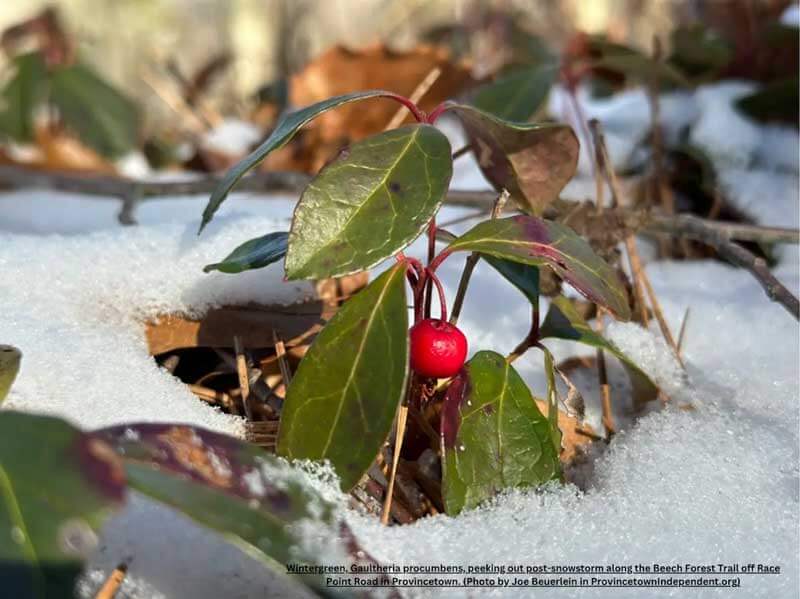
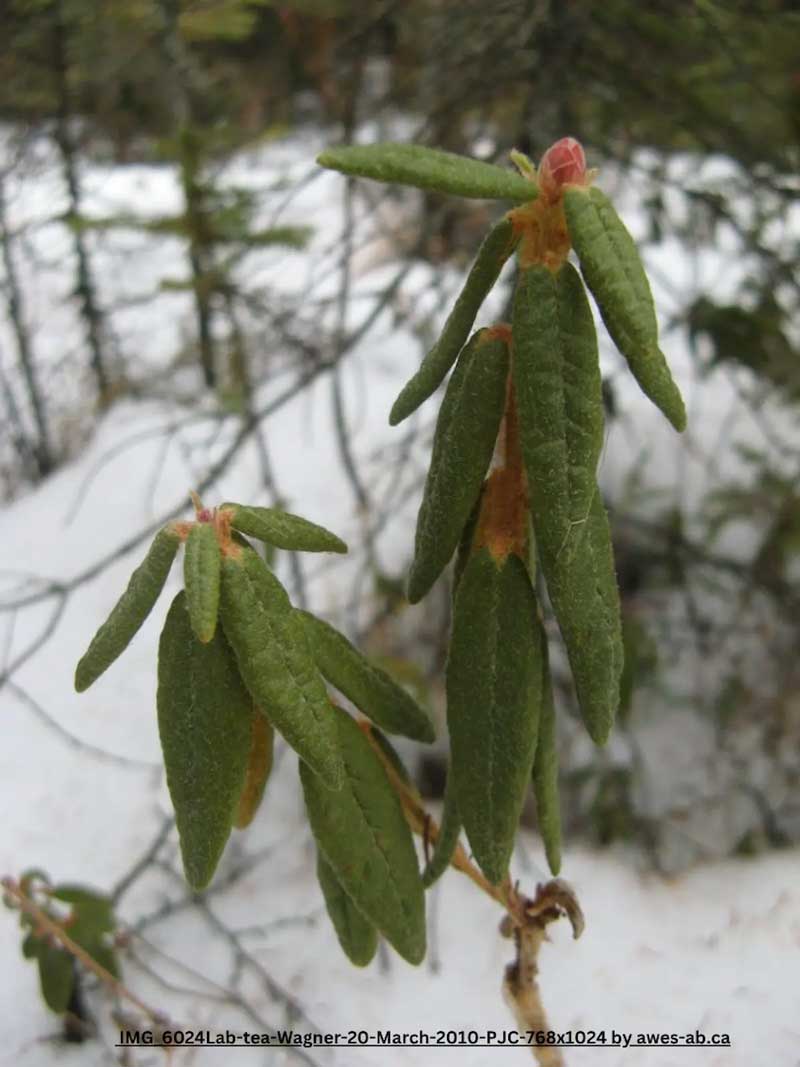
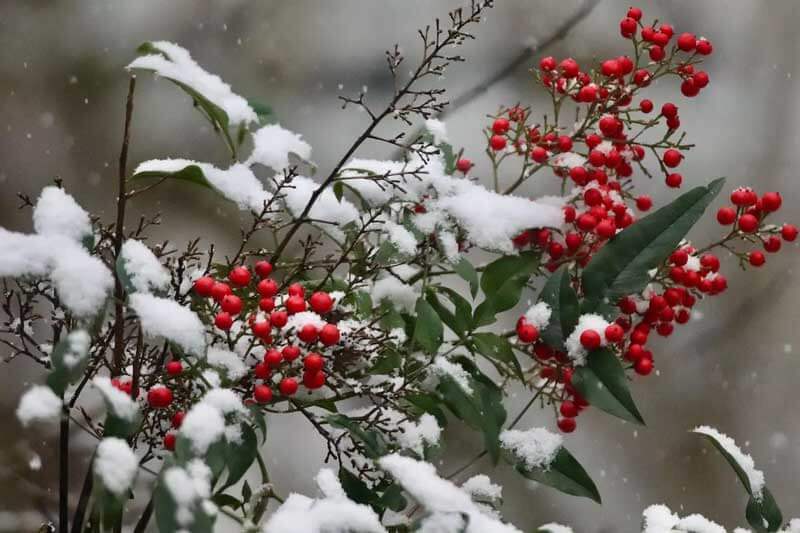
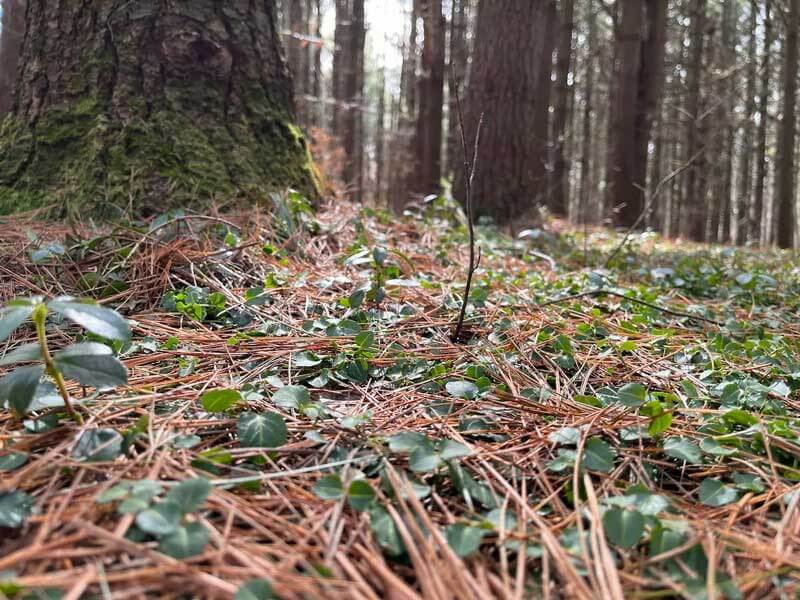
It’s easy to picture evergreens as pines and spruces, but many keep broad leaves all year. Wintergreen, for instance, carpets the forest floor with glossy leaves and red berries even under snow. Bearberry clings to rocky slopes, Labrador tea keeps its leathery foliage in northern bogs, and in coastal British Columbia, salal and Pacific rhododendron remain lush and green through the icy rain.
2. Green beneath the snow
Some evergreens seem to vanish in winter; low-growing evergreens such as bearberry, creeping juniper, wintergreen, and some mosses are so short that snowfall buries them completely. These plants all stay green under the snow, though, and they even photosynthesise when sunlight filters through snow crystals. The snow’s insulation keeps them alive and protected. In late winter, as the snow begins to melt, these plants are already active, ready to start growing while the rest of the garden still sleeps.
3. A built-in antifreeze system
Evergreens make sugars and proteins that act as antifreeze, lowering the freezing point of water in their cells. This is how black spruce endures –40°C nights in northern bogs while standing upright and green in the morning sun.
4. A full palette
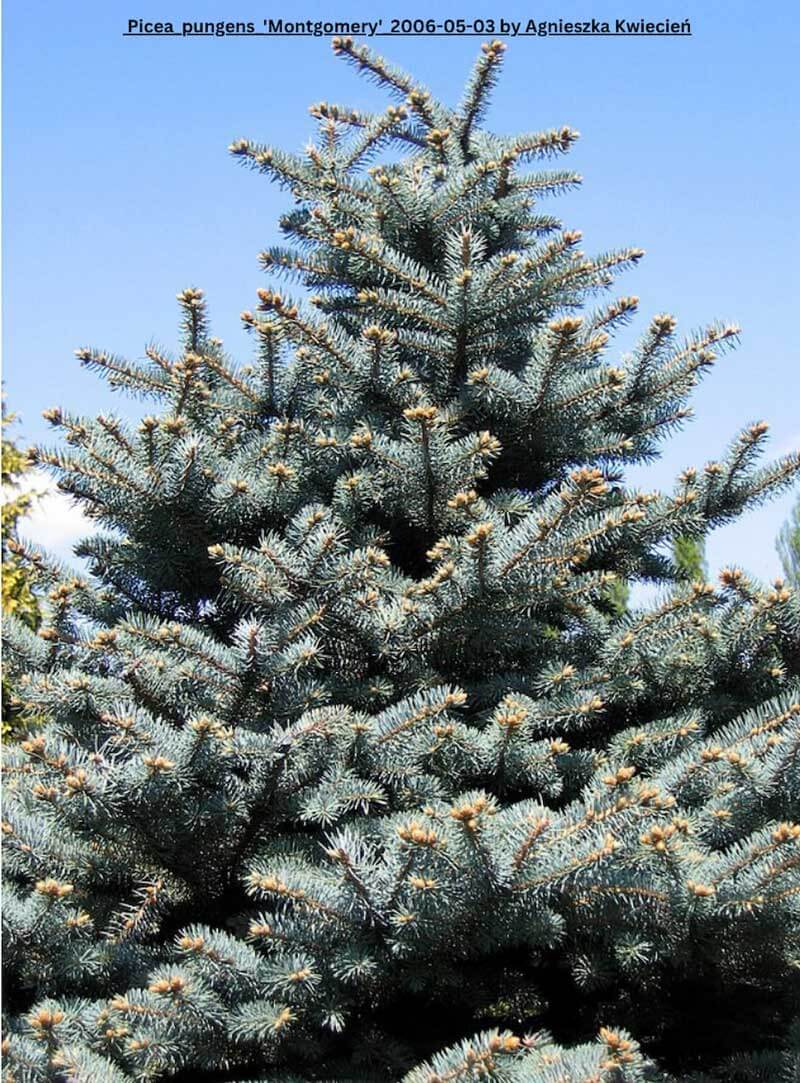
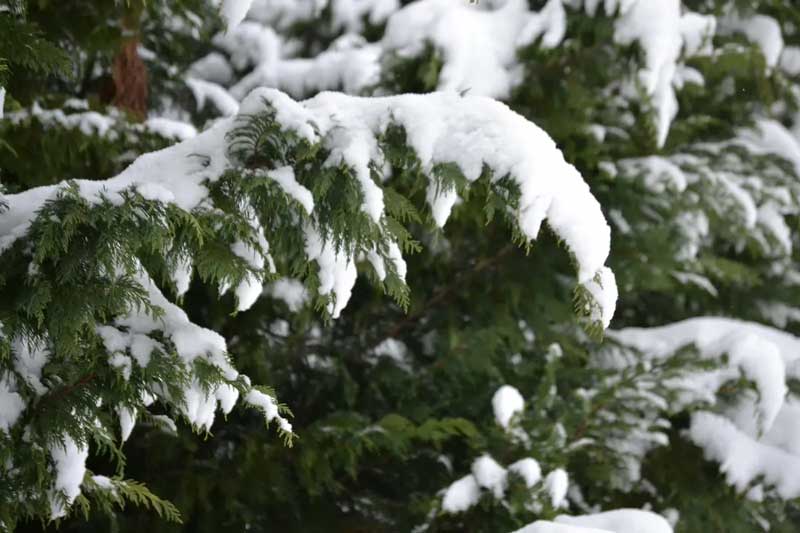
Evergreens aren’t just green. Blue spruce glows with silvery waxed needles, eastern white pine has a soft blue-green hue, and cedar keeps a deep forest tone all year. As winter deepens, many evergreens subtly change colour. Junipers and red cedars often turn bronze or purplish, and hardy rhododendrons like the ‘PJM’ hybrids take on a burgundy cast in the cold. Boxwoods may bronze slightly too, not as a feature, but as a sign of winter stress that usually reverses in spring. Groundcovers such as wintergreen and bearberry can even flush red beneath the snow. Together, these shifting tones bring quiet warmth and variety to winter landscapes when little else has colour.
5. An ancient design
Evergreens have been on Earth for more than 300 million years, long before flowering plants appeared. Fossils of early conifers already show needles and cones much like today’s. When you stand among white spruce or western red cedar, you’re walking through living history!
6. Slow photosynthesis, fast start
Evergreens don’t shut down in winter; they simply idle. On bright days above freezing, their needles quietly capture sunlight and carbon dioxide. When spring arrives, they have a head start on growth before deciduous trees have even budded.
7. Masters of water economy
The needle is an engineering marvel. Its narrow shape and thick waxy coating reduce water loss, and its pores sit in grooves protected from dry winter air. This design allows evergreens like lodgepole pine and juniper to thrive where other trees can’t.
8. They don’t really acidify the soil
It’s often said that pine needles make soil more acidic, but that’s mostly myth. While fresh needles of most conifers are slightly acidic, they break down too slowly to change the soil’s pH in any meaningful way. In fact, research shows that pines don’t make the ground too sour for other plants. Jack pine, for instance, grows quite happily on neutral and even alkaline sands in the Prairies. Soil type and rainfall have a far greater effect on acidity than the trees themselves.
9. Winter shelter for wildlife
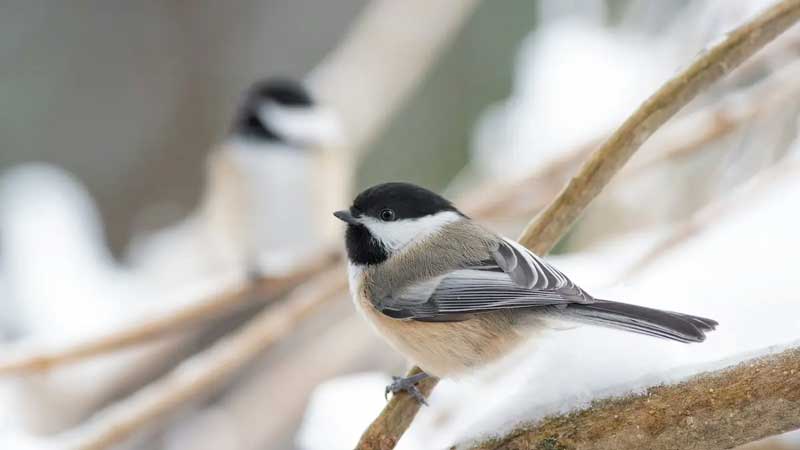
Year-round foliage gives birds and animals refuge when little else does. Chickadees tuck into cedar hedges to escape wind and cold, while snowshoe hares and voles tunnel through boughs where the snow stays soft and insulated. Deer often bed under pines that block the wind and capture radiant heat from the sun. Even tiny insects overwinter in the bark crevices of firs and junipers. An evergreen thicket can be a whole winter neighbourhood, offering protection, food, and nesting material until spring returns.
10. A living symbol of endurance
Evergreens have long stood for life and renewal. Ancient people brought boughs indoors at the solstice to remind themselves that the green world would return, or maybe that it never really left. Today, cedar garlands and Christmas trees continue that same hopeful message.