Garlic, onions, and fortune-telling kale: 10 neat things about fall garden superstitions
By Shauna Dobbie
Every fall garden carries a little magic with it, or so the old sayings go. From pulling kale to divine your future spouse to judging the winter ahead by the thickness of onion skins, gardeners have always had one foot in the soil and the other in superstition. Some of these traditions hold a kernel of truth, others are pure fancy, but all of them remind us how closely people once watched their gardens for signs of the seasons… and maybe their own fate.
1. Plant garlic on the shortest day, harvest on the longest
Origin: England and parts of Europe
The old rhyme urged planting garlic at the winter solstice and pulling it at the summer one. In milder climates, that timing was practical.
Truth: Wait until December here and you’ll need a jackhammer. Garlic in Canada goes in during September or October so it has time to root before the ground freezes. The saying is catchy, but our seasons demand earlier action.
2. Harvest moon brings the best time to gather
Origin: Northern Europe and North America
The “harvest moon” is the full moon closest to the autumn equinox. Farmers loved it because it seemed to rise “early” for several nights, lighting their fields so they could work past sunset. Songs and sayings praised it as the best helper of the harvest.
Truth: The moon doesn’t actually rise earlier, but for a few days it rises only about 20–30 minutes later each evening instead of the usual 50. That gave farmers precious extra light during the busiest season. Headlights have replaced moonlight now, but the big orange globe of the harvest moon still feels like a blessing on the fall garden.
3. A heavy fall of acorns foretells a hard winter
Origin: English and Celtic weather lore
Oaks were thought to know what winter would bring, dropping extra acorns ahead of bitter cold. Why would they drop more? Who knows.
Truth: Acorn mast years are driven by the tree’s own cycles and the spring and summer weather, not the season ahead. Still, a bumper crop is good news for squirrels, deer, and jays.
Origin: North American folklore
The wider the rusty band on the caterpillar, the milder the winter, according to the saying; more black meant harsher days.
Truth: Entomologists confirm the banding shows age and growth, not weather predictions. Still, it’s fun to see children (and adults) hold up woolly bears and guess at the winter ahead.
5. Don’t cut your hair while sowing
Origin: Agricultural folklore in parts of South Asia and Eastern Europe
Haircuts during sowing season were thought to weaken both the person and the crop. The link between human vitality and plants was taken literally.
Truth: There’s no connection between your haircut and your beet harvest. But the saying shows how deeply people once tied their bodies to the land’s rhythms.
6. Kale-pulling on Hallowe’en reveals your future spouse
Origin: Scottish and Irish Samhain traditions
Unmarried folk went blindfolded into the cabbage or kale patch to pull a stalk. Its length, shape, and soil clinging to it foretold the character (and wealth) of a future mate. This featured in Robbie Burns’s1785 poem Hallowe’en.
Truth: These games travelled with Scottish and Irish immigrants. It won’t predict your love life, but it does link the fall garden with Hallowe’en’s mischievous spirit.
7. Frost sweetens vegetables
Origin: North American farm wisdom
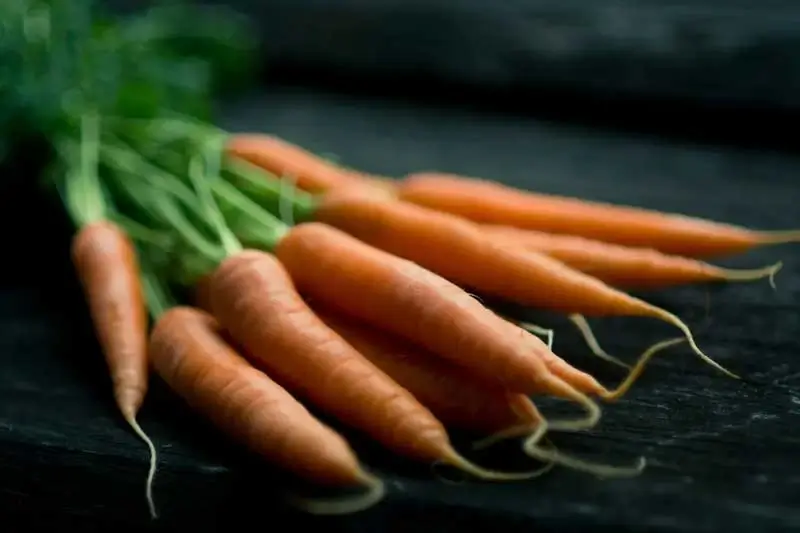
Many gardeners insisted that carrots, parsnips, and Brussels sprouts got sweeter after a frost.
Truth: They were right. Cold triggers starches to convert to sugars in hardy veg. But pumpkins, being tender, will turn to mush if left out too long. Pick them before a hard freeze and save your frost experiments for the carrots.
8. The last sheaf holds the spirit of the corn
Origin: Britain and northern Europe
The final sheaf at harvest was plaited into a “corn dolly” to house the field’s spirit over winter. In spring it was returned to the soil to bless new growth.
Truth: We don’t often weave corn dollies now, but the idea of leaving stalks standing does have truth: residue protects soil and provides winter shelter for birds and insects.
9. Robins foretell the winter
Origin: English and North American lore
Robins lingering late were said to signal a mild winter; their early disappearance meant a harsh one.
Truth: Robins migrate based on food. If berries and crabapples last, so do the robins. Their presence in November says more about mountain ash fruit than it does about January blizzards. In fact, American robins will spend the winter in Canada if there is enough food for them.
10. Onion skins predict winter’s bite
Origin: English country rhyme
“Onion skins very thin, mild winter coming in. Onion skins thick and tough, coming winter cold and rough.”
Truth: Onion skins vary with growing conditions, not the months ahead. Charming to quote while you stir a stew but keep checking the forecast.