Ten neat things about growing ginger
Growing ginger in Canada feels like bringing a bit of the tropics into your own home. You start with a simple knobbly piece from the grocery store, and with warmth and patience it unfurls into a lush green plant that smells faintly of spice each time you brush past it. For Canadian gardeners, coaxing this heat loving plant into life is a small, cheering victory. It is slow, steady and quietly rewarding, and the first taste of your own fresh ginger is enough to make you wonder why you never tried it sooner.
1. Ginger starts with a simple rhizome
All you need is a firm piece of ginger – actual ginger, not the groundcover that grows wild in Canada – with a few eyes, and you can buy it from a grocery store. The eye looks like a small bump that will grow… because it is a small bump waiting to grow. You can break the rhizome into smaller pieces, but if you grow from a bigger one the plant has more energy to grow faster.
2. Go wide
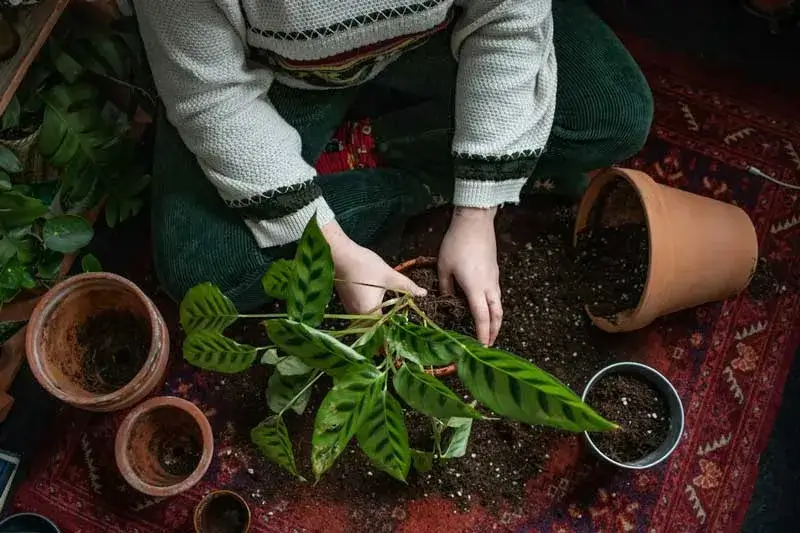
Plant the piece of rhizome flat into a wide planter, like a succulent bowl. Put the best potting soil you can afford into the planter, almost to the top, then put the rhizome on the soil. Barely cover it with more soil, then water the whole thing well. Put a lid on the planter now and put it into a warm, bright place. If you’ve got a heat mat, this is an ideal time to use it.
3. Soak it first
It’s not a bad idea to let the rhizome soak in room-temperature water overnight before planting it. It will be drier than optimal from being in storage. And ginger has natural growth inhibitors when it’s dry; water will soften them up and tell the rhizome it’s time to grow.
4. Wait…
Do not water it until you can see sprouts rising above the soil. This can take up to three weeks or more. If there is no sign of growth after three weeks, gently brush the soil away to see if the rhizome is healthy or if it has gone mushy. You can remove the lid once you see sprouts and start watering from below when the soil is dry.
5. Summer on the patio
The more heat it gets, the more energy it puts into building new ginger. Summer through most of Canada will be great for it, so move it outside after all danger of frost has passed. But make sure you bring it in when night temperatures start to plummet.
6. Temperature needs
Ginger will die back when temperatures are below 15 Celsius for any length of time. At 5 Celsius, which is a little warmer than they typical Canadian fridge, it dies completely. Between 15 and 18, it is thinking about growing, with the buds swelling below the ground. Once days and nights stay near or above 18 degrees, the plant starts pushing new shoots and building fresh rhizome tissue. When temperatures stay above 22 the plant is in active growing mode.
7. You can harvest little by little
You do not need to uproot the entire plant. Gently dig at the edges of the pot, take a piece and cover the soil again. The plant keeps growing because the centre remains undisturbed.
8. Homegrown ginger tastes completely different
When you lift a piece from your own pot, the young rhizomes are pale, juicy and mild. They slice without strings and have a bright, almost citrus scent that store-bought ginger rarely matches.
9. You can eat it all
If you grow your own plant, you can use more than the familiar underground stem. The tender new shoots have a mild ginger bite, and the leaves can be added to soups or teas for gentle aroma. Even the stems contribute fragrance. The rhizome is still the star, but the whole plant has culinary value. And if you should happen to get flowers, which is unlikely but possible in our climate, they are gingery and sweet!
10. It is satisfying to grow something so tropical
Cultivating ginger in Canada feels like a small triumph. You take a spice that usually travels halfway around the world and coax it into life on your own windowsill. It is one of the easiest tropical edibles to try, and the reward is immediate each time you cut a fresh piece from the pot.