Thursday, December 11, 2025
10 Neat ThingsAnnualsEdiblesFoliagePlants

10 Neat Things about Kale

1. The closer the frost, the sweeter the leaf.

Kale actually tastes better when harvested after frost. Even frozen stiff in the garden, it will thaw out as it warms and come back just as sprightly as it was in July. You can freeze your earlier harvest for crisp tasty salads or steamed dishes throughout the winter. Add a little oil and vinegar to reduce any strong flavour.

2. Cold weather friend.

The hotter the weather, the more bitter and tough the kale. Keep it in the shade during the hottest parts of summer, moving it to direct sunlight as the weather cools.

3. The new beef, the Queen of Greens.

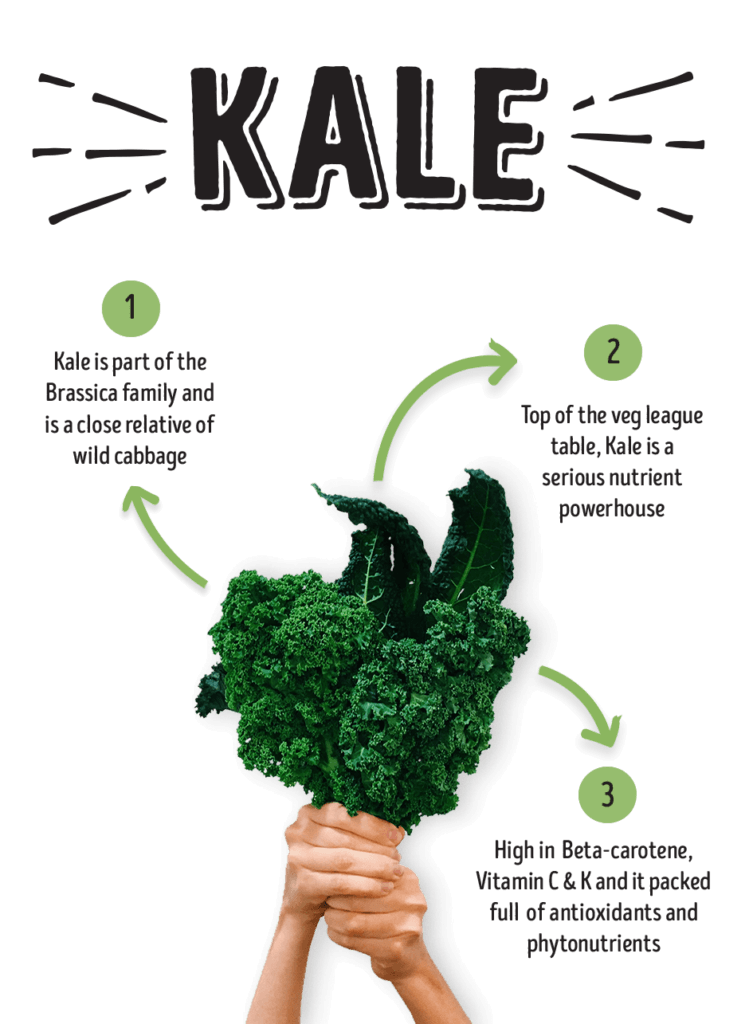
Impress your friends with how trendy you are by eating kale, but secretly harbour the knowledge that people have been appreciating this nutritious green all over Europe for centuries. It is packed with calcium, vitamins K and A (100 grams has 86 per cent of your daily A needs); is low in calories, having only 36 in a cup. In addition to a miner’s trove of trace metals, 100 grams of kale is packed with only 5.63 grams of carbs; 1.9 grams of protein; 76 per cent of your daily beta carotene needs and less than half a gram of fat.

4. Body impacts.

Kale helps lower cholesterol (best when steamed); lowers the risk of bladder, ovarian, prostate, breast and colon cancers. It is an excellent anti-inflammatory and antioxidant and helps detoxify the body. Eat one to two cups a week. Don’t overdo it. Kale contains some oxalates that could have a negative impact on those with kidney or gall bladder concerns.

5. Served with sausage.

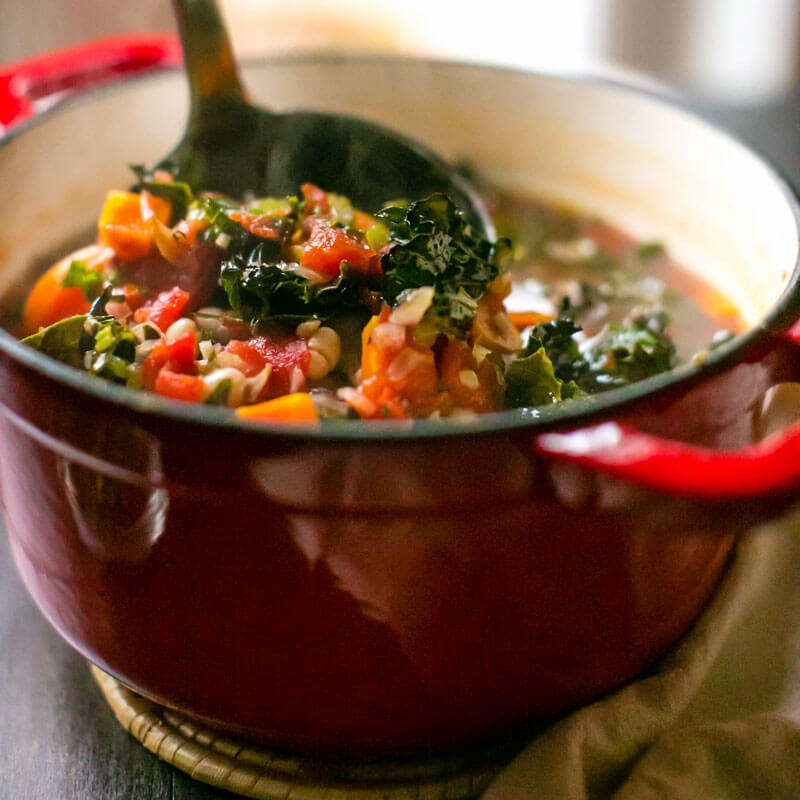
In the Middle Ages, kale was a staple in the kitchen and was the most common green vegetable eaten. It was served in Italy as an ingredient in ribollita soup and called cavolo nero; in Portugal it was chopped and mixed with potatoes and called caldo verde. The Irish mixed kale with mashed potatoes and cream, naming it colcannon and in the Netherlands a similar dish was called boerenkool when it was mixed with bacon. The Germans made kale stew. Often, it was served with sausages. In Scotland, the word kale is slang for food. In The Second World War it was grown in victory gardens.

6. Cooking kale.

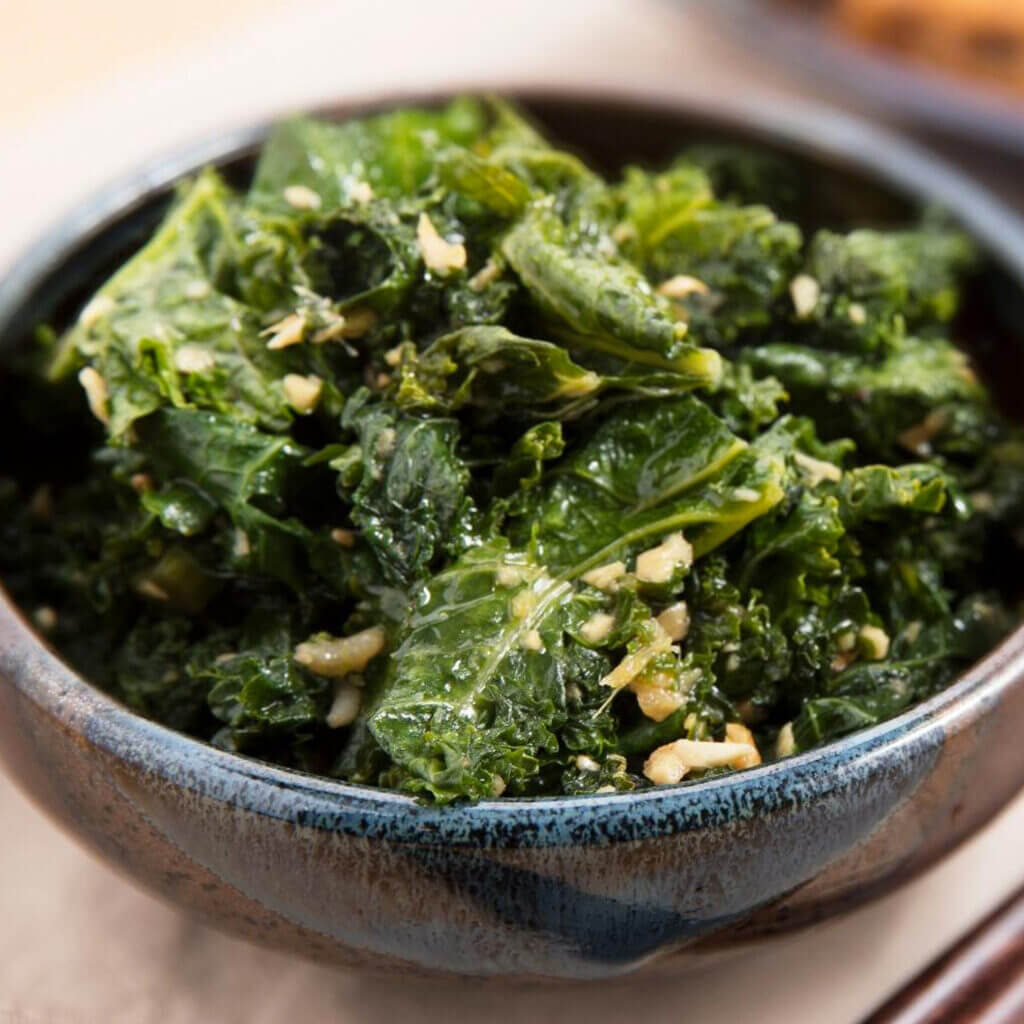
You can simply sauté it as you would spinach or collard greens, steam it or eat it raw. Rinse it in cold water, chop stems into quarter-inch slices, leaves in half inches and let sit for five minutes before cooking. Sprinkling kale with lemon first can help release phytonutrients. Steam for five minutes. To eat it raw, add some balsamic vinegar, pine nuts and feta cheese with a few dried cranberries and some olive oil.

7. Kinds of kale:

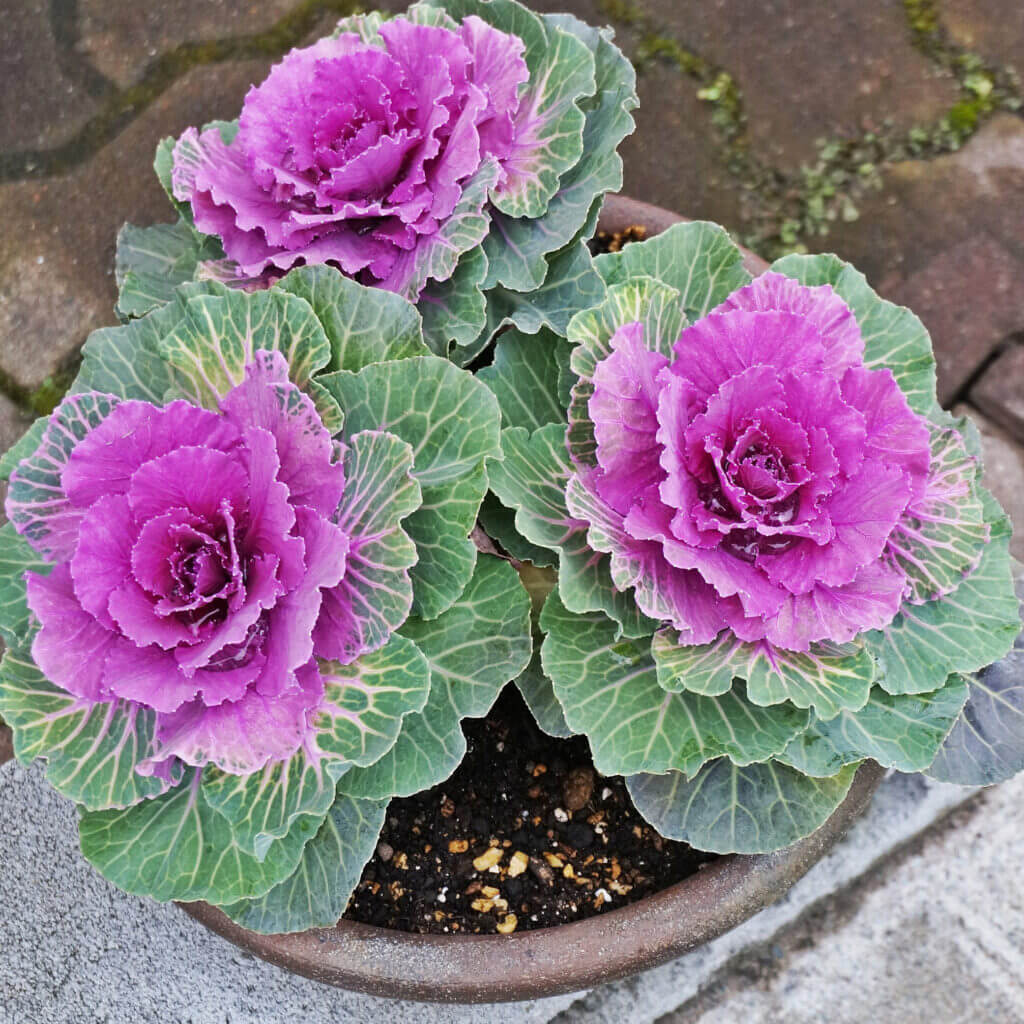
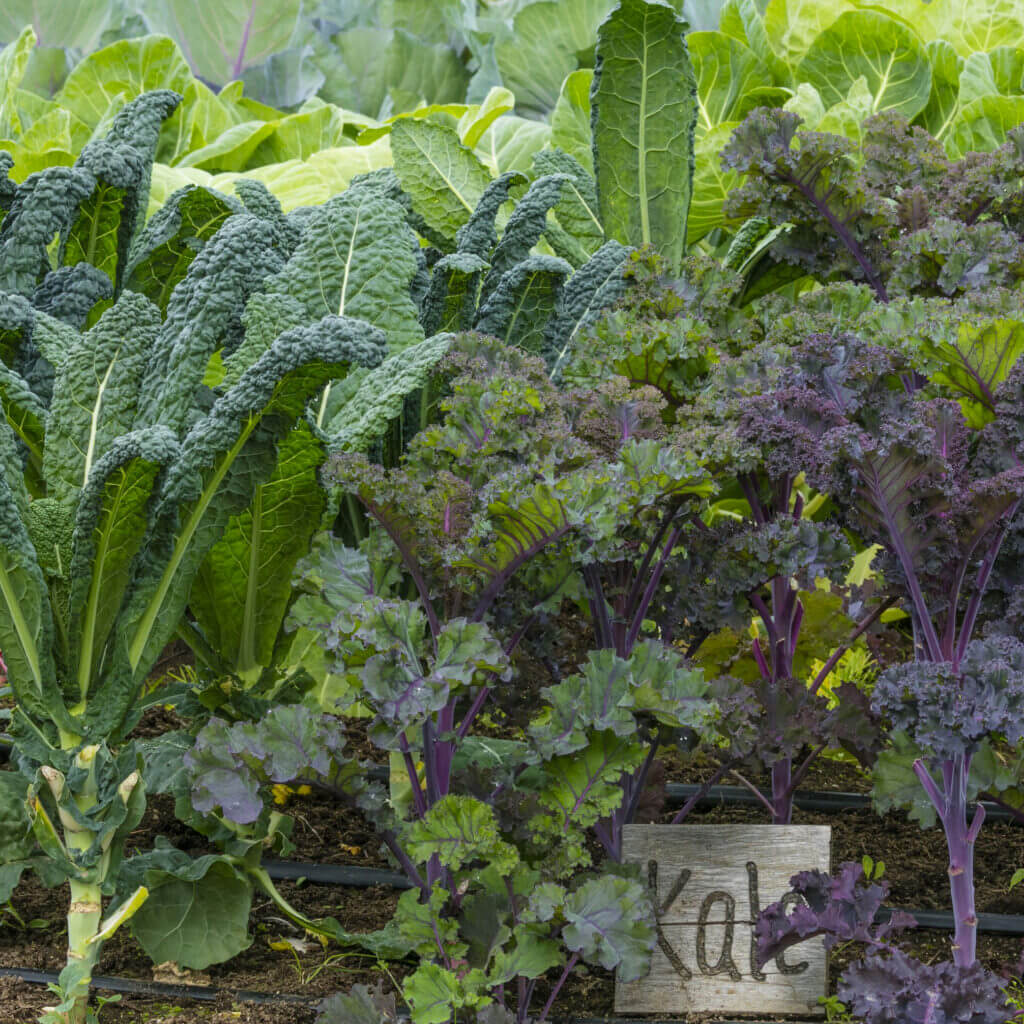
All kales are edible, but they are often used in slightly different ways. Curly kale has ruffled leaves. It is dark green and has fibrous stalks and a pungent, peppery flavour. Ornamental kale, also known as salad savoury, has green, white and purple leaves with a mellow flavour and a tender texture. Dinosaur kale, known as lacinato or Tuscan kale, has blue-green leaves and embossed texture, and is sweeter than curly kale.

8. Growing kale.

You can start kale indoors or out. Indoors, start five to seven weeks before the last frost. Outdoors, sow ½ inch deep, six inches apart. You can sow as late as two to four weeks before first frost. It needs soil temperatures to be between 40 and 70 degrees F to sprout.

9. Kale buddies.

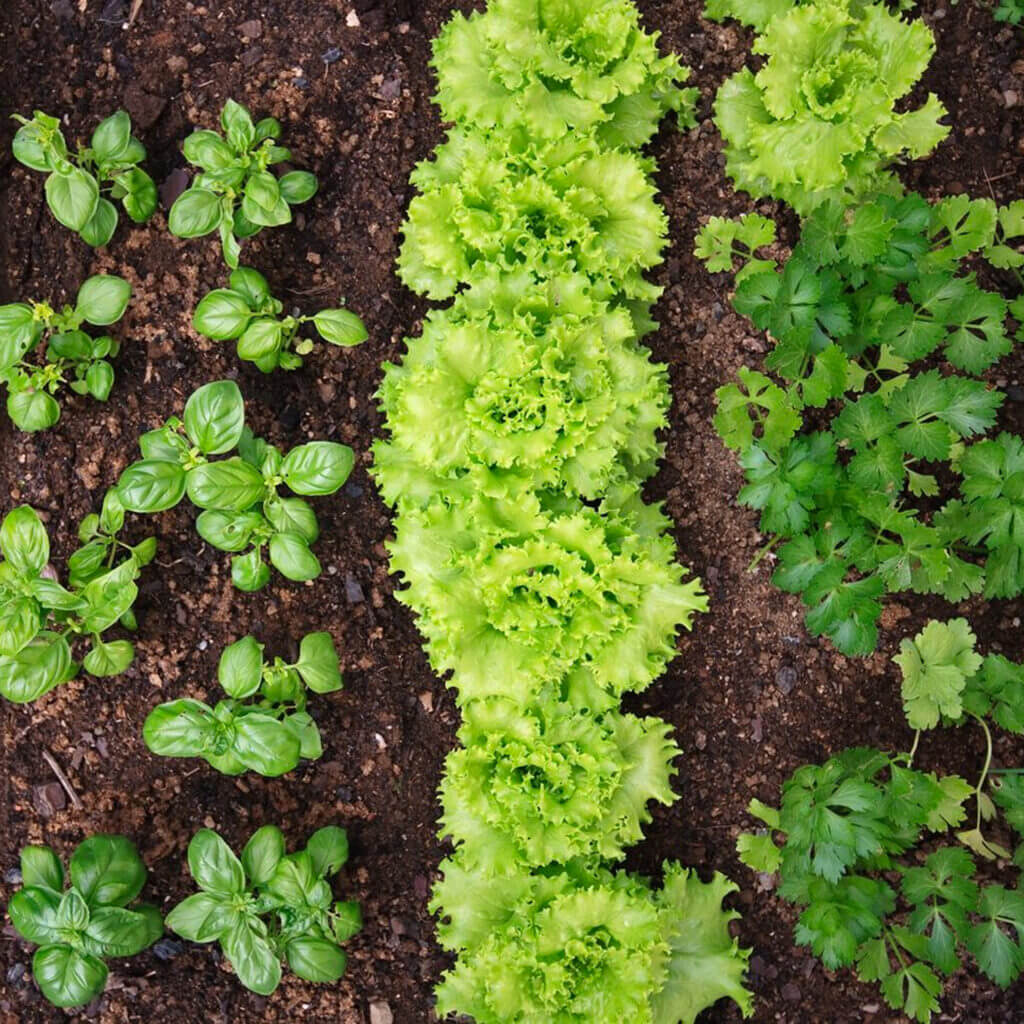
Plant with beets, celery, herbs, onions and potatoes but not with beans, strawberries or tomatoes. Very heavy clay soils or very light sandy soils can both affect flavour adversely. It likes a pH of 5.5 to 6.8.

10. Harvest time.

You can start using spring planted kale in May when the small leaves will be tender – generally, though, it takes 70 to 95 days from seed to harvest. When the plant is eight to 10 inches tall, you can cut back the whole plant and it will sprout new leaves in seven to 14 days.