


There’s nothing like the taste of a ripe tomato, a crisp bean, or a handful of berries straight from the garden. The trouble is, those moments are fleeting. Unless, of course, you find ways to capture them. Preserving the harvest is a time-honoured practice that stretches abundance into the cold months and sometimes even years beyond. It is part science, part art, and part old-fashioned thrift. With methods such as canning, fermenting, and oil infusions, it is important to follow tested recipes so the food is preserved safely. Here are ten clever, time-tested, and sometimes surprising ways to make your harvest last.
1. Freezing is flavourful
Freezing is one of the easiest ways to hold on to summer’s taste. The trick with vegetables is blanching them quickly in boiling water or steam before freezing. This stops enzymes that would otherwise turn your peas or beans limp and tasteless. Done right, frozen green beans in January taste almost as snappy as the day they were picked. Fruits like strawberries, raspberries, and blueberries can be frozen raw, but it pays to spread them on a baking sheet first. Once frozen, you can bag them up and avoid a single impenetrable berry iceberg. For smoothies, pies, or just a handful eaten out of the freezer, it feels like summer revisited.

2. Canning keeps traditions alive
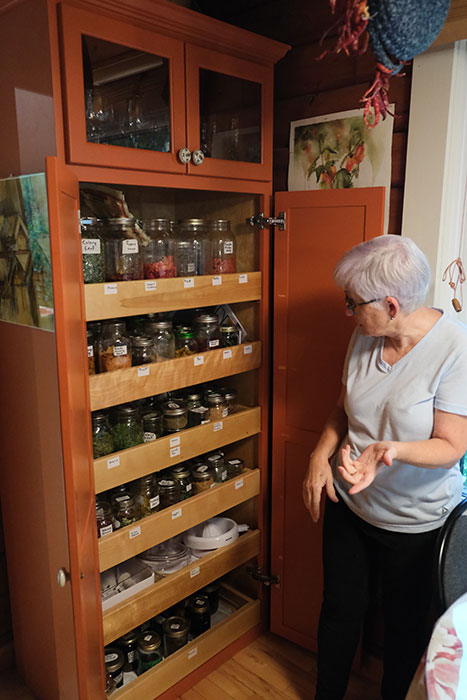
Few things are as evocative as a row of gleaming jars filled with tomatoes, peaches, or pickles. Canning has been around since Napoleon offered a prize for a way to preserve food for his armies, and it remains both practical and nostalgic. Water bath canning is perfect for jams, jellies, and anything acidic, while low-acid foods like beans and meats need pressure canning for safety. There is also a special pride in hearing the pop of a cooling jar lid sealing itself. It is the sound of a job well done, and a winter meal already halfway prepared.

3. Pickling punches up the flavour
Vinegar and salt do more than keep food safe: they transform it. A plain cucumber becomes a crunchy, tangy pickle that can brighten up a winter sandwich. Beets, carrots, garlic scapes, even eggs, can all be preserved in brine. And pickling is endlessly customizable. Add dill for the traditional taste, hot peppers for a fiery kick, or cloves and cinnamon for sweet-and-sour vegetables. In many cultures, pickling is a way of not just saving food but also creating something better than the original.

4. Drying saves space
Drying is one of the oldest preservation methods. Think of raisins, sun-dried tomatoes, or apple rings. By removing moisture, you remove the breeding ground for bacteria and mould. Herbs are especially rewarding to dry, because a single oregano plant can fill multiple spice jars. The flavour often intensifies, making dried fruit sweeter and dried herbs more pungent. For those who like gadgets, a dehydrator speeds up the process, but an oven on low or even a breezy attic can do the trick.

5. Fermentation is funky science
Fermentation sounds intimidating until you try it. At its heart, it is just salt, vegetables, and patience. Salt draws liquid out of the vegetables, creating a brine. Then lactic acid bacteria naturally present on the food get to work, transforming cabbage into sauerkraut or kimchi. The results are tangy, fizzy, and alive with beneficial microbes. Beyond the health benefits, fermented vegetables add a complexity of flavour that fresh ones simply cannot. The crunch of homemade sauerkraut on a sandwich or the spicy bite of kimchi on rice is proof that sometimes letting nature do the work is the best approach.

6. Root cellars still work
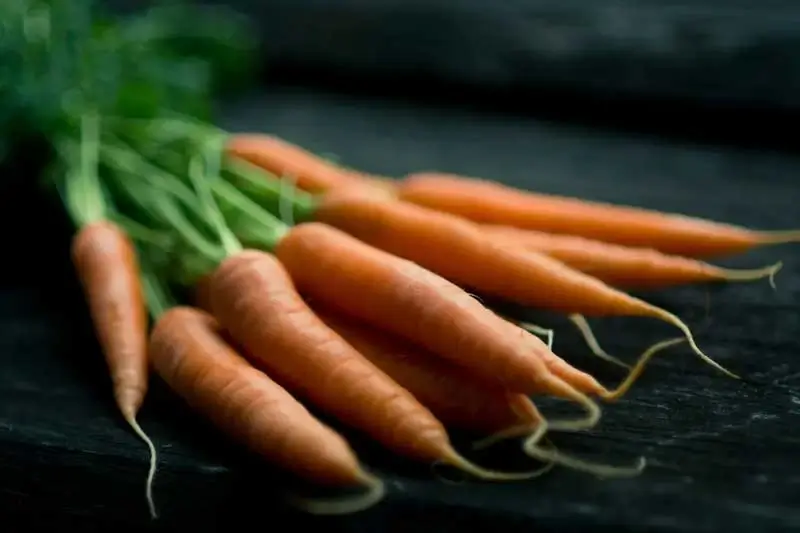
There’s a reason root cellars were once as essential as kitchens. They use the earth’s natural insulation to keep vegetables cool and moist. Potatoes, carrots, turnips, beets, and cabbages all keep for months in the right conditions. Even if you don’t have a dug-out cellar, you can improvise with an insulated bin or a cool corner of a basement. Packing carrots in sand or sawdust is an old trick that prevents them from shrivelling. Imagine pulling out a crisp, fresh carrot in February, with no refrigeration required.

7. Oil and vinegar infusions
Preserving in oil or vinegar does double duty: it keeps food longer and adds flavour. Garlic cloves in vinegar, peppers in oil, or sprigs of herbs steeped until their taste permeates the liquid can all elevate simple meals. A drizzle of homemade herb oil over pasta or salad feels gourmet, even if the basil came from a backyard pot. There is a caution, though: oil infusions can harbour botulism unless refrigerated and used quickly. Look for a recipe from a trusted site. Vinegar is the safer option for long-term storage. Either way, it’s a way to make your harvest dress up meals all winter.

8. Sugar syrup and jams
Sugar may have a bad reputation today, but in preserving, it is indispensable. By binding with water, it keeps bacteria and mould at bay. The result is jam, jelly, marmalade, or fruit syrup. A spoonful of raspberry jam on toast can bring back the memory of summer mornings in the garden. Making jam is also a wonderful sensory experience: the bubbling pot, the fruity aroma filling the kitchen, and the jewel-toned jars lining the counter. It’s science, but it feels like magic.

9. Vacuum sealing for modern times
Technology has given us tools our grandparents would have marvelled at, and the vacuum sealer is one of them. By removing air, you dramatically slow spoilage and prevent freezer burn. Bags of peas, corn, or even entire meals can be stored flat and labelled. It is space-saving, efficient, and keeps the flavour closer to garden-fresh. Vacuum-sealed foods also sous-vide beautifully if you’re feeling adventurous with cooking. What once was a gadget for hunters and chefs is now a boon for gardeners.

10. Sharing is preserving, too
The most overlooked form of preserving may be the simplest: giving your harvest away. Fresh vegetables passed to a neighbour, jars of jam shared with friends, or bushels delivered to a food bank all ensure your hard work is not wasted. In return, you preserve relationships, goodwill, and traditions of community. Food, after all, is meant to be shared. And if you ever receive a loaf of homemade bread from someone you’ve given cucumbers to, you’ll know that generosity has its own rewards.