Sunday, March 15, 2026
10 Neat Things

Got rotting tomatoes? 10 neat things about blossom end rot


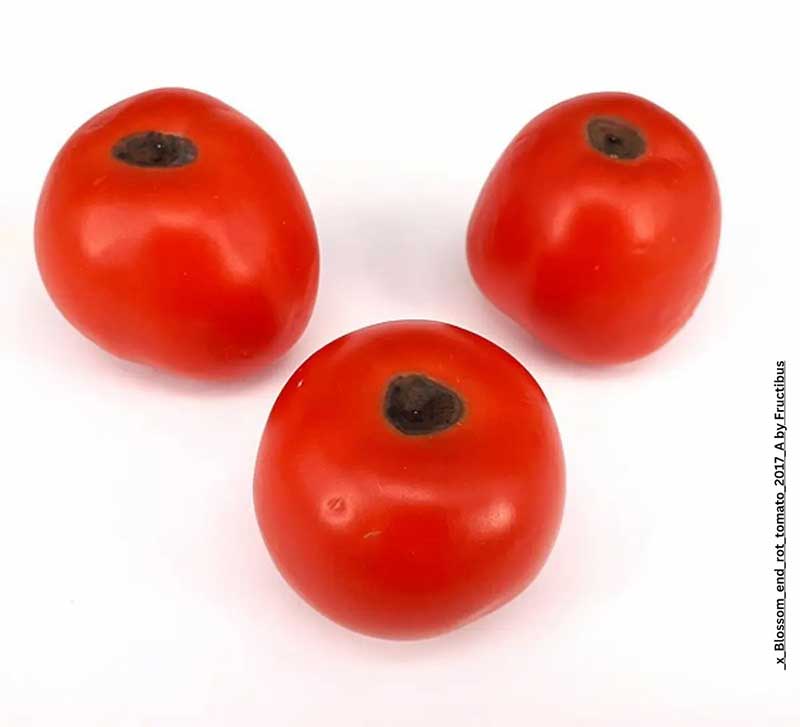
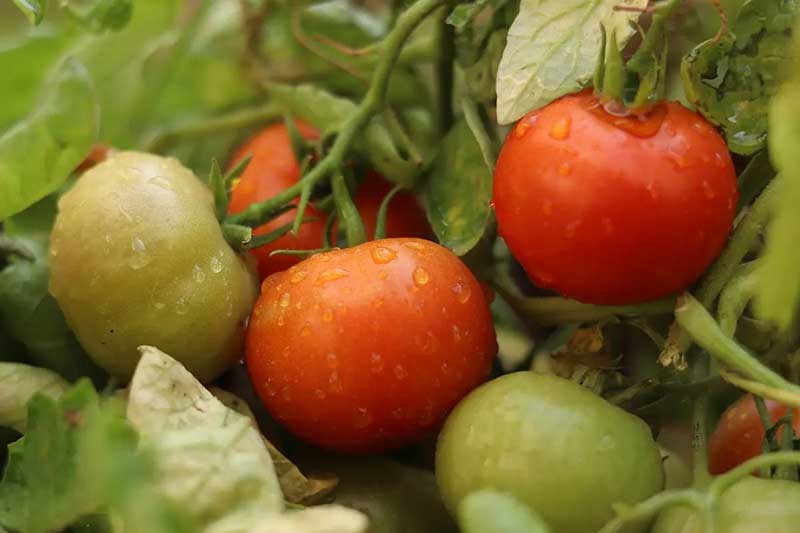
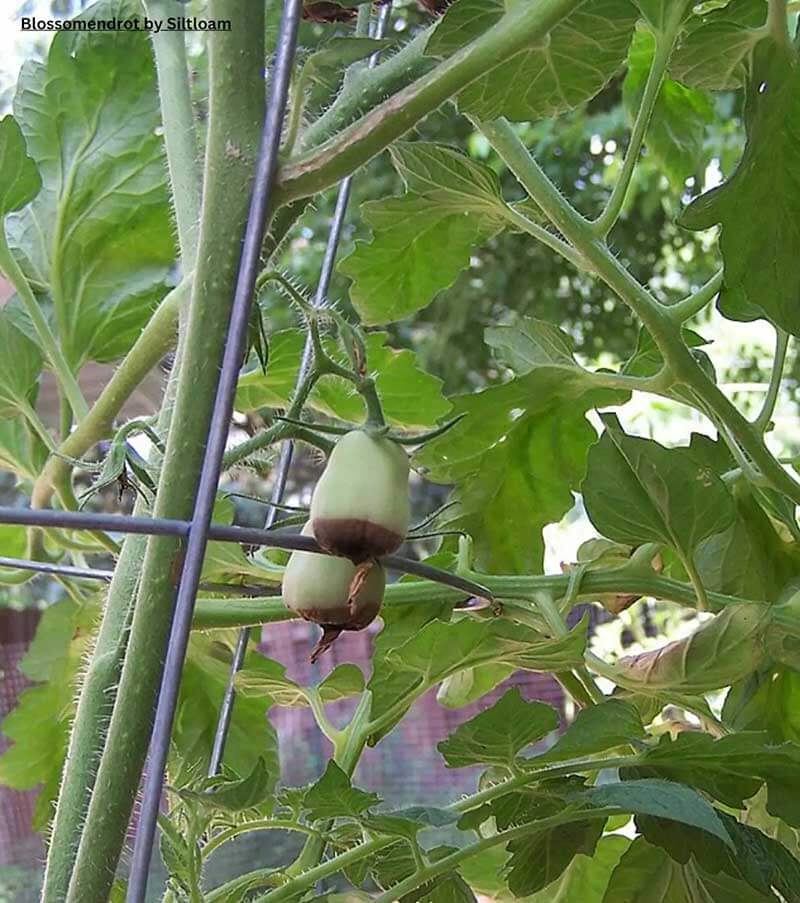
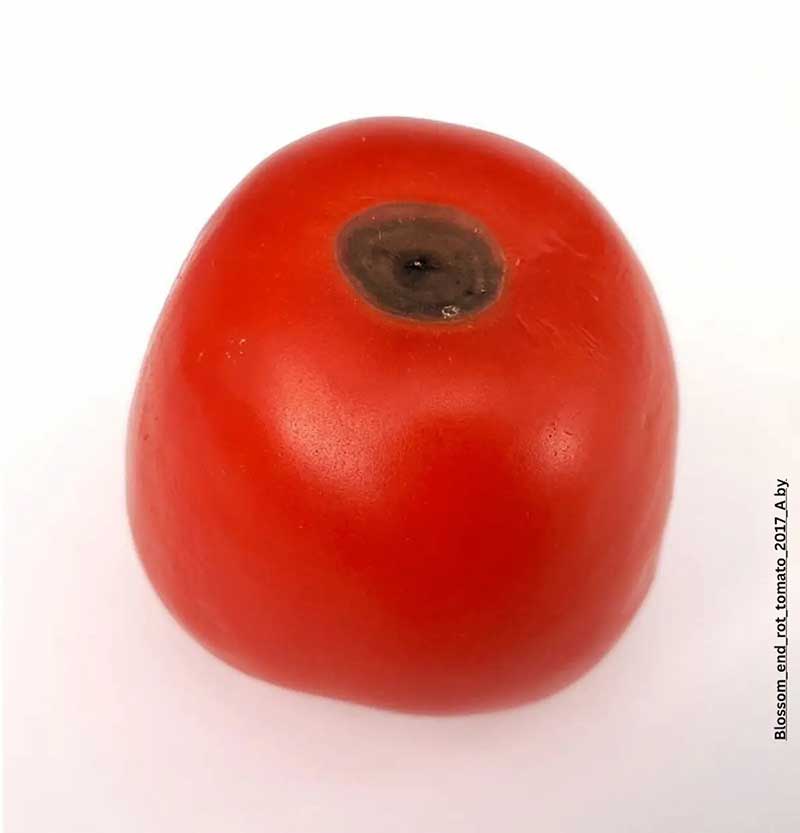
You’ve been waiting and waiting for your tomatoes to turn a beautiful orangey-red, and then… the bottoms are soft and black! Blossom end rot can be heartbreaking—one day your tomatoes look perfect, the next they have ugly black patches. It’s a common problem for Canadian gardeners, but the good news is, you can prevent it. Here are 10 neat things you might not know about blossom end rot, and how to stop it before it spoils your harvest.

1. It’s not a disease.

Despite how it looks, blossom end rot (BER) isn’t caused by bacteria, fungi, or viruses. It’s a physiological disorder—meaning it’s a problem with how the plant functions, not something that spreads from fruit to fruit.

2. Calcium is the key player.

BER develops when fruit doesn’t get enough calcium during growth. Calcium is essential for strong cell walls; without it, cells collapse and create the brown or black sunken spot at the blossom end.

3. Sometimes the soil has plenty, sometimes not.

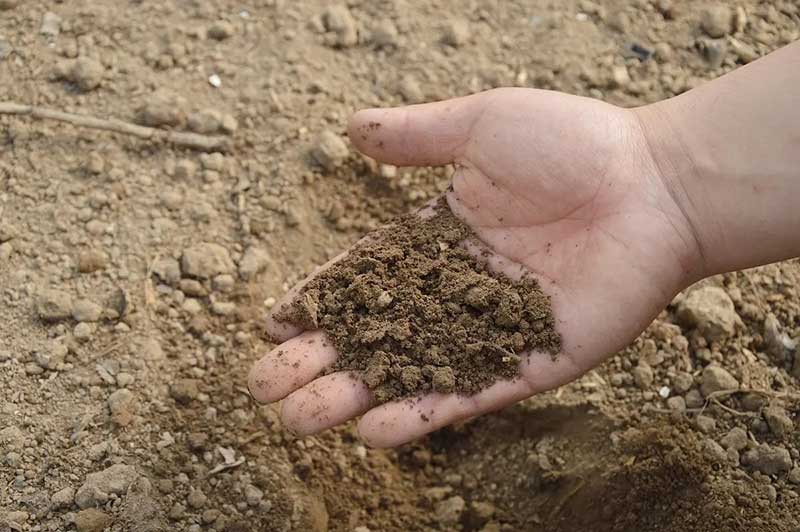
In many Canadian gardens—especially in the Prairies and parts of Ontario—there’s naturally plenty of calcium in the soil. But in some areas, such as acidic soils in parts of the Maritimes, coastal British Columbia’s rainy zones, very sandy soils, or peat-based beds, calcium levels can be low enough to contribute to the problem.

4. What to do if your soil is calcium-poor.

If a soil test shows low calcium, you can add agricultural lime to acidic soils, or gypsum if your pH is already in the right range. For a slower, long-term boost, finely ground eggshells, oyster shell, or bone meal can help build reserves over time—but they break down too slowly to fix blossom end rot in the same season. Avoid overusing fertilizers high in potassium or magnesium, as they can block calcium uptake.

5. Watering habits can make or break calcium delivery.

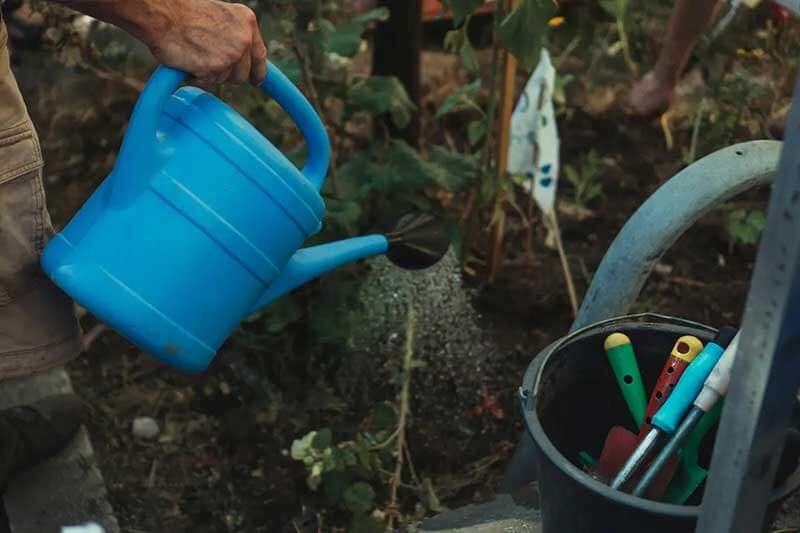
Calcium moves with water inside the plant. Irregular watering—letting the soil swing from too wet to too dry—can interrupt that flow, even when calcium levels in the soil are fine. In addition to BER, your tomatoes can suffer from fruit cracking, blossom drop and more pest problems (because stressed plants release certain compounds that attract pests). The solution? Water tomatoes deeply and consistently.

6. Weather adds another layer.

Cool, damp springs followed by hot, dry spells make BER more likely by stressing roots and disrupting calcium movement. These swings are common in many Canadian growing regions.

7. It’s not just tomatoes.

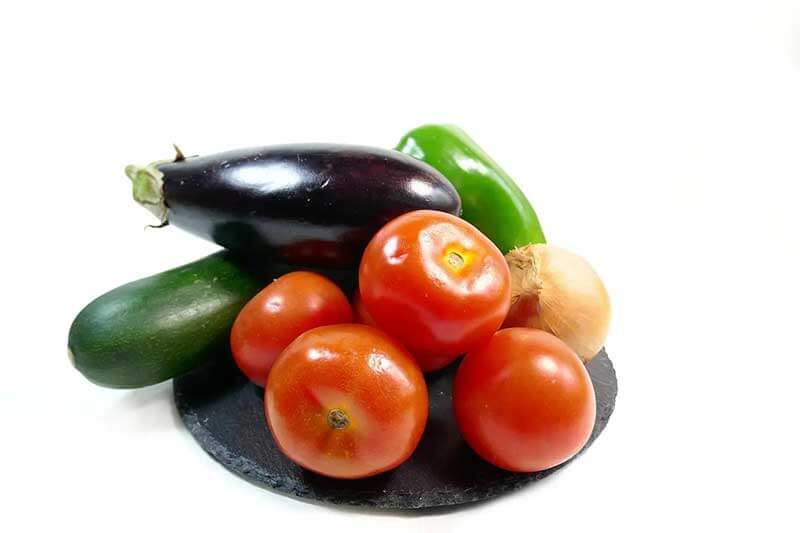
While tomatoes are the poster child for BER, peppers, eggplants, summer squash, zucchini, and even some melons can also be affected, especially early in the season.

8. The first fruits often get hit hardest.

Early-season fruit tends to be more susceptible because the plant’s root system is still small and less able to keep up with calcium demands.

9. Mulch can help prevent it.

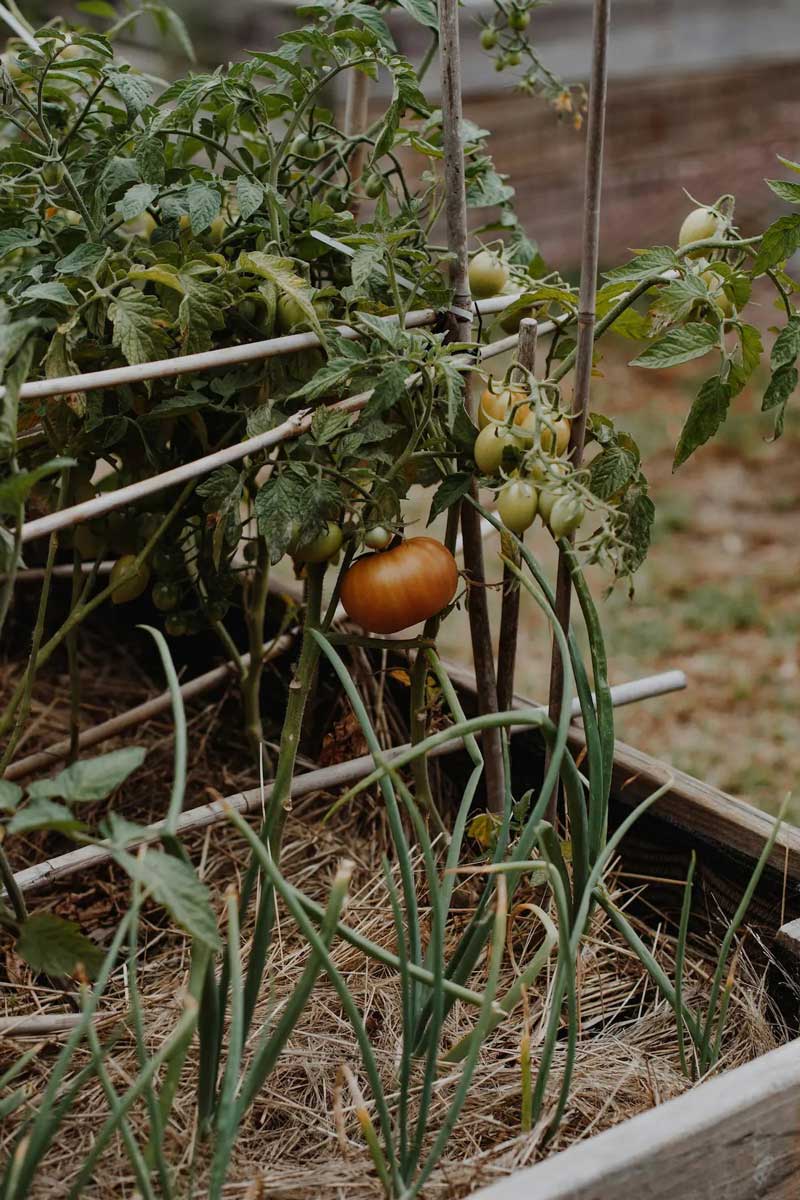
A layer of straw, shredded leaves, or compost around plants helps maintain steady soil moisture, keeping calcium delivery more consistent. If you are in an area with lots of rain, you should stillmulch; just use an airier type, like straw, and pile on 2 inches instead of 4.

10. Damaged fruit is still safe to eat.

BER doesn’t spread and won’t harm you. Simply cut away the affected part and enjoy the rest or compost it if the damage is too extensive.