Wednesday, March 25, 2026
10 Neat Things

Fall’s secret blooms:10 neat things about unusual flowers for fall


By Shauna Dobbie

When the garden feels like it’s ready to pack it in, some plants are just hitting their stride. Beyond the usual mums and sedums, there are fall bloomers that can surprise you with exotic looks, late-season colour, or even spice for your kitchen. From the speckled elegance of toad lilies to the cobalt shock of gentians, these unusual flowers keep Canadian gardens lively right up until frost.

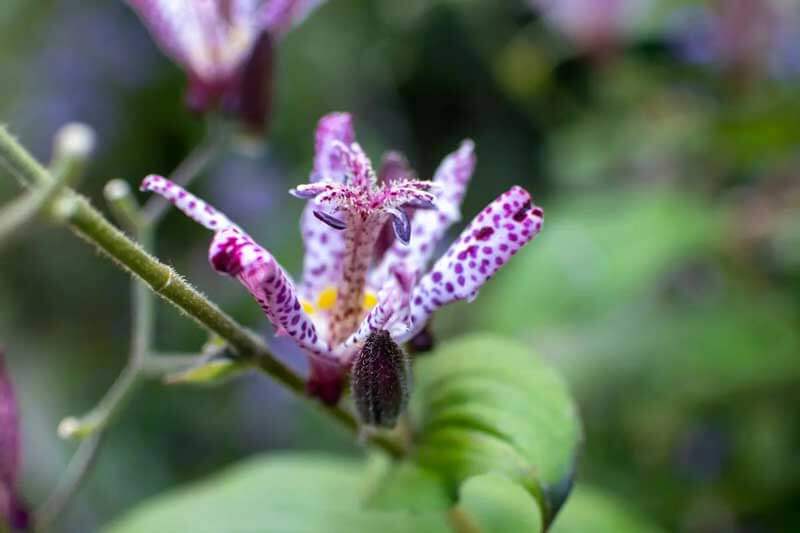
1. Toad lily (Tricyrtis hirta)

These late bloomers reach about 18 to 36 inches tall and prefer partial to full shade. The intricate, orchid-like flowers appear in September and October, speckled purple and white. They’re hardy to Zone 4, though they may bloom with some winter protection in colder regions.

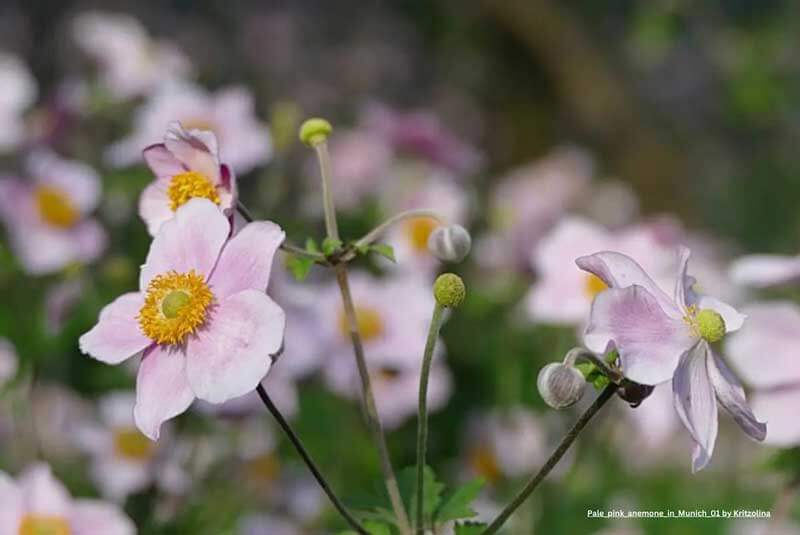
2. Japanese anemone (Anemone hupehensis and hybrids)

Elegant and tall, usually 2 to 4 feet, sometimes even 5 feet. They bloom from late August through October with airy pink or white flowers that float above dark foliage. They’re hardy to Zone 5 but may survive colder winters with mulch.

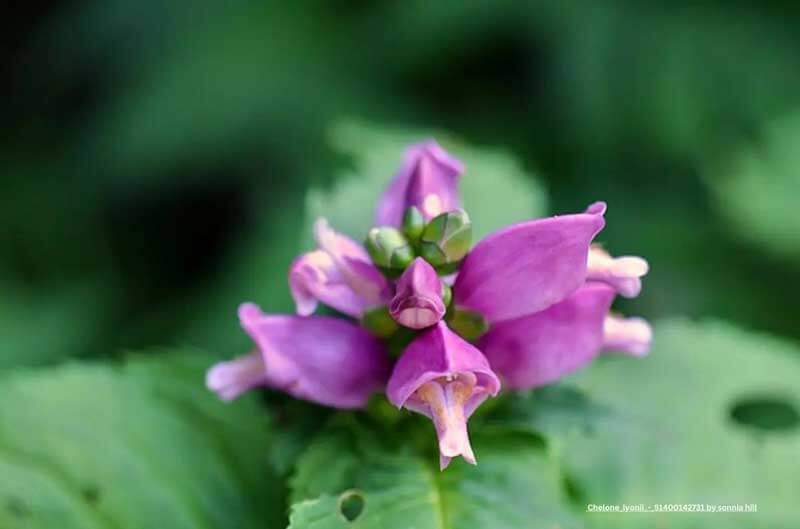
3. Turtlehead (Chelone)

Native to eastern Canada, turtlehead grows 2 to 3 feet tall, with upright stalks topped with pink or white snapdragon-like flowers in September. Very hardy, usually to Zone 3, and thrives in moist soils.

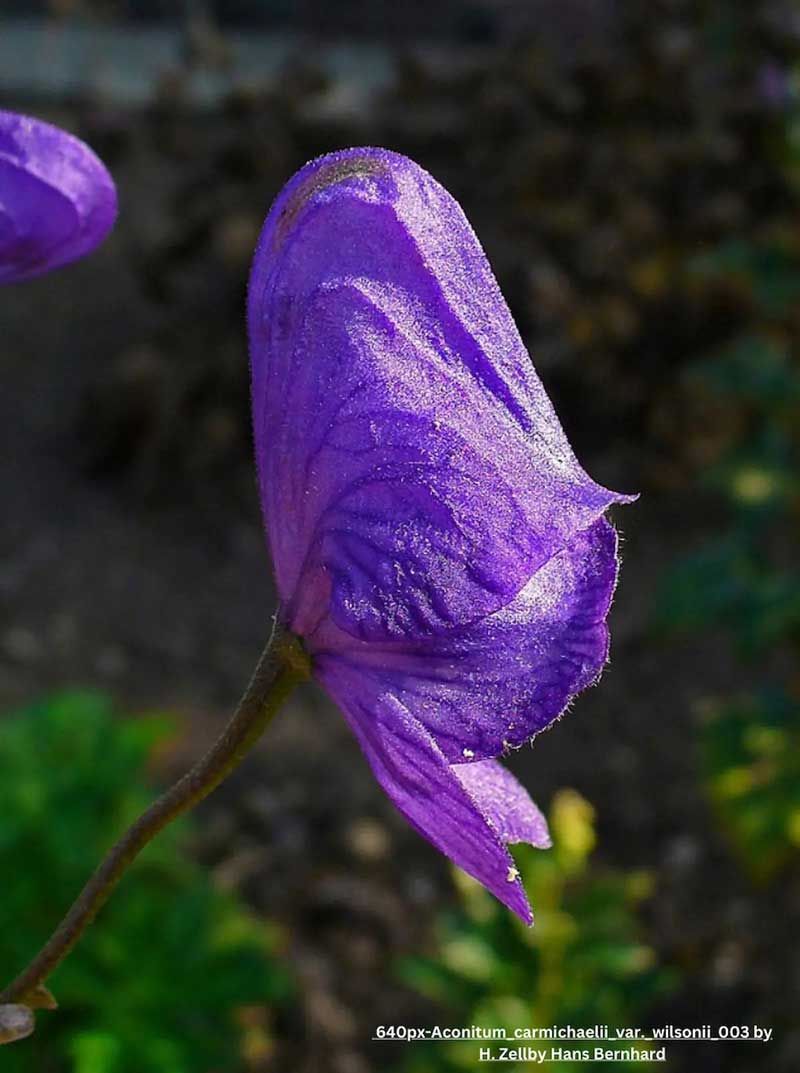
4. Monkshood (Aconitum carmichaelii and hybrids)

Monkshood is a stunner in the fall garden with tall (3 to 6 feet!) spires of violet-blue flowers in September. Just don’t nibble it. All parts of the plant are poisonous and even handling it without gloves can cause tingling skin. Think of it as a beauty to admire, not to snack on. Hardy to Zone 3.

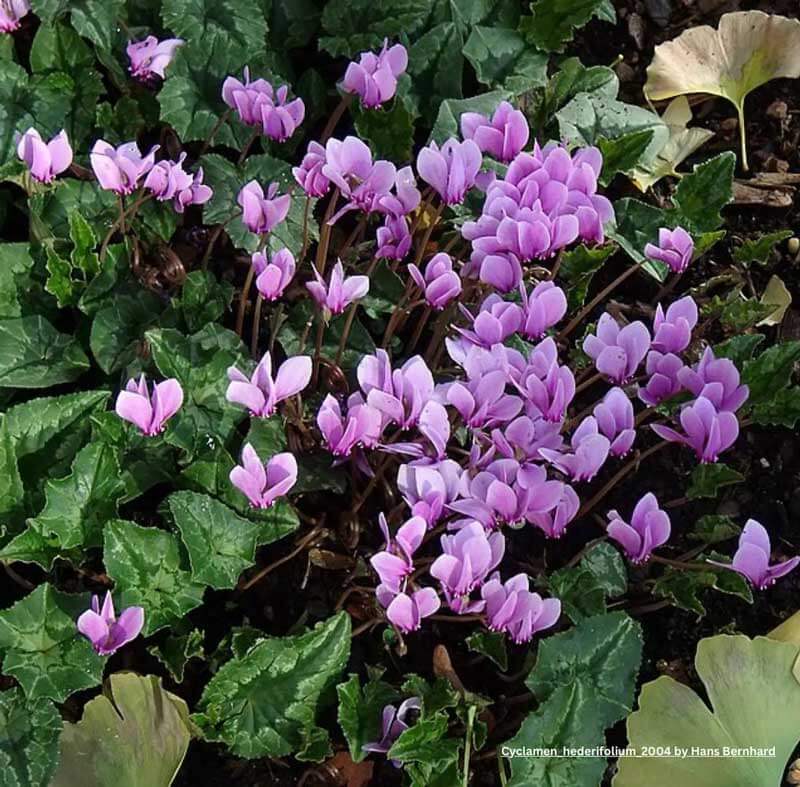
5. Cyclamen hederifolium

You may have come across cyclamen as a houseplant, which is a bit different. This little gem grows just 4 to 6 inches tall. Pink or white flowers look like shooting stars scattered on the woodland floor in autumn. Hardy to about Zone 5 with protection: plant them in a shady spot with consistent snow cover.

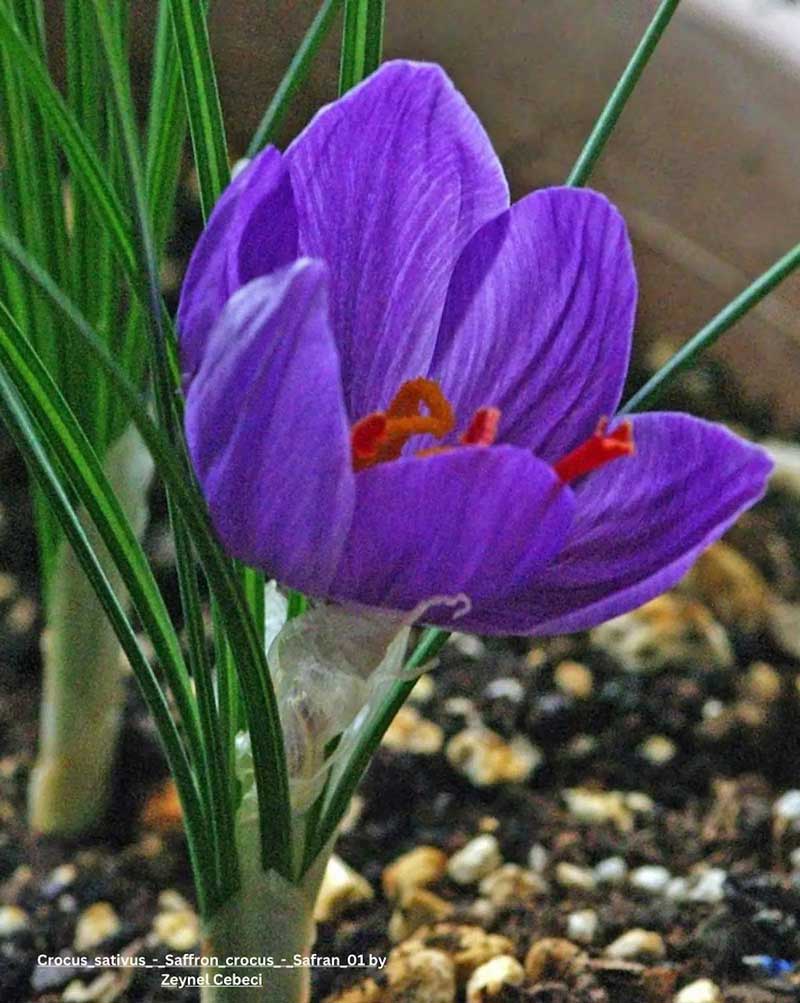
6. Saffron crocus (Crocus sativus)

Only 4 to 6 inches tall, saffron crocus produces lilac-purple flowers in September or October. With patience, you can pull the red stigmas from the plant as soon as it blooms and find out what fresh saffron tastes like. Online sources say it’s hardy to zone 5b, but the guys at Safran de Smilax, a company growing saffron in Quebec, swear that it’s hardy to zone 3b!

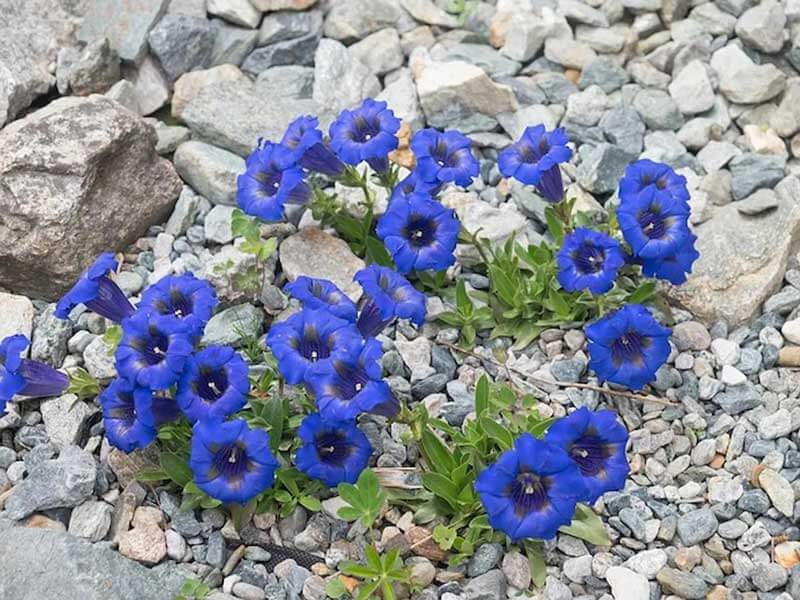
7. Gentian (Gentiana)

Gentians are the divas of the fall border: cobalt blue flowers that make your neighbours jealous, but only if you pamper them. Give them acidic, well-drained soil, constant moisture, and a sunny but not scorching spot. Do all that, and they’ll reward you with the bluest blooms you’ve ever seen—almost as if someone plugged them into the sky. Usually 6 to 12 inches tall, though some varieties get to 18 inches. The intense cobalt blue flowers bloom into fall. Hardy to Zone 4.

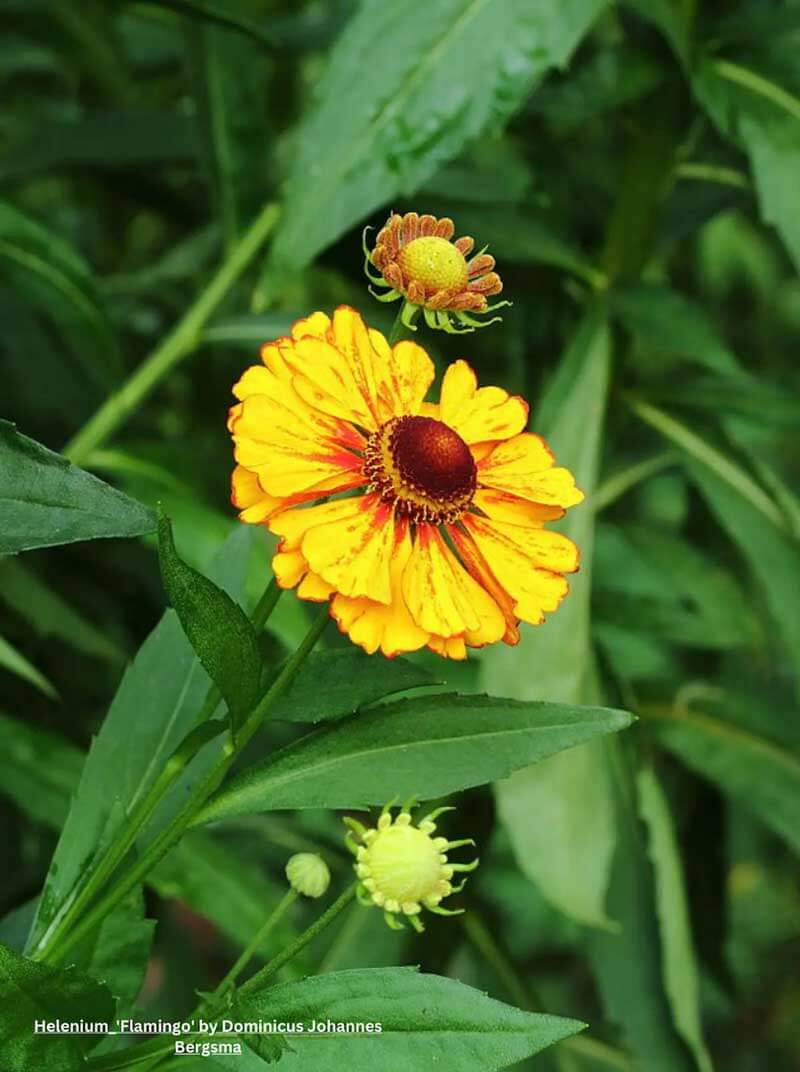
8. Sneezeweed (Helenium)

Despite the unglamorous name, heleniums grow 3 to 5 feet tall, with masses of daisy-like flowers in oranges, yellows, and reds from late summer into fall. Hardy to Zone 3, and excellent for pollinators.

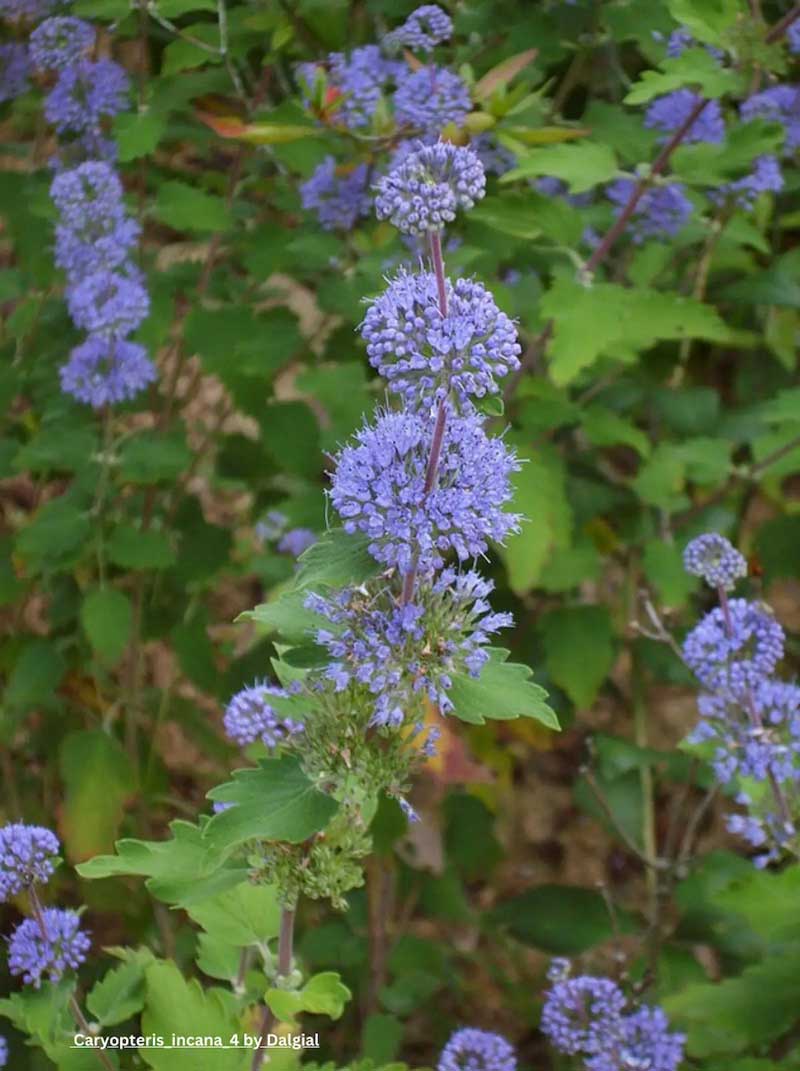
9. Bluebeard (Caryopteris)

This small shrub (about 2 to 3 feet tall) produces clouds of powder-blue flowers in late August through September, just as the rest of the border is winding down. The blooms are bee magnets, especially for bumblebees and honeybees stocking up before winter. It’s hardy to Zone 5, sometimes Zone 4 in sheltered spots with good drainage.

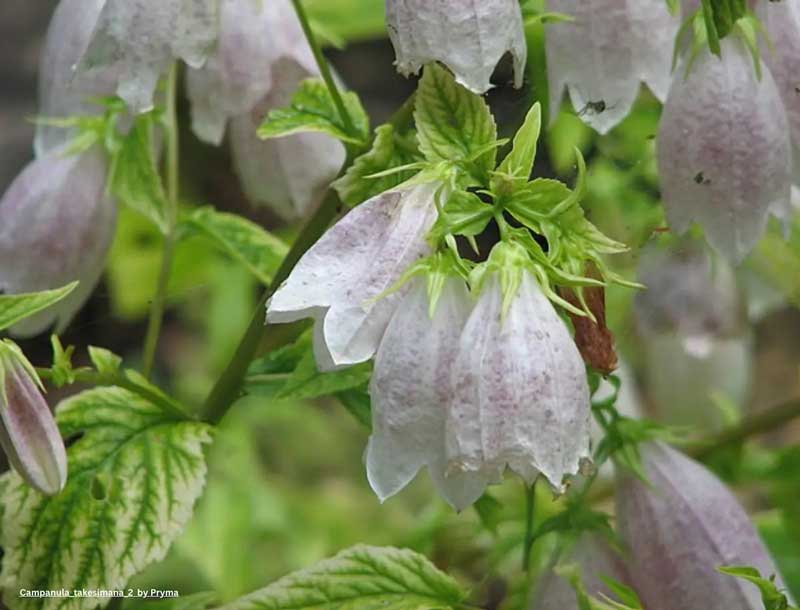
10. Korean bellflower (Campanula takesimana)

A surprising late bloomer, this campanula produces long, drooping, bell-shaped flowers in soft pinks and purples from midsummer into fall. Plants reach 2 to 3 feet tall and spread into clumps, making them a bit exuberant if left unchecked. Hardy to Zone 3, they bring a woodland-garden feel into autumn, when most campanulas are long gone.