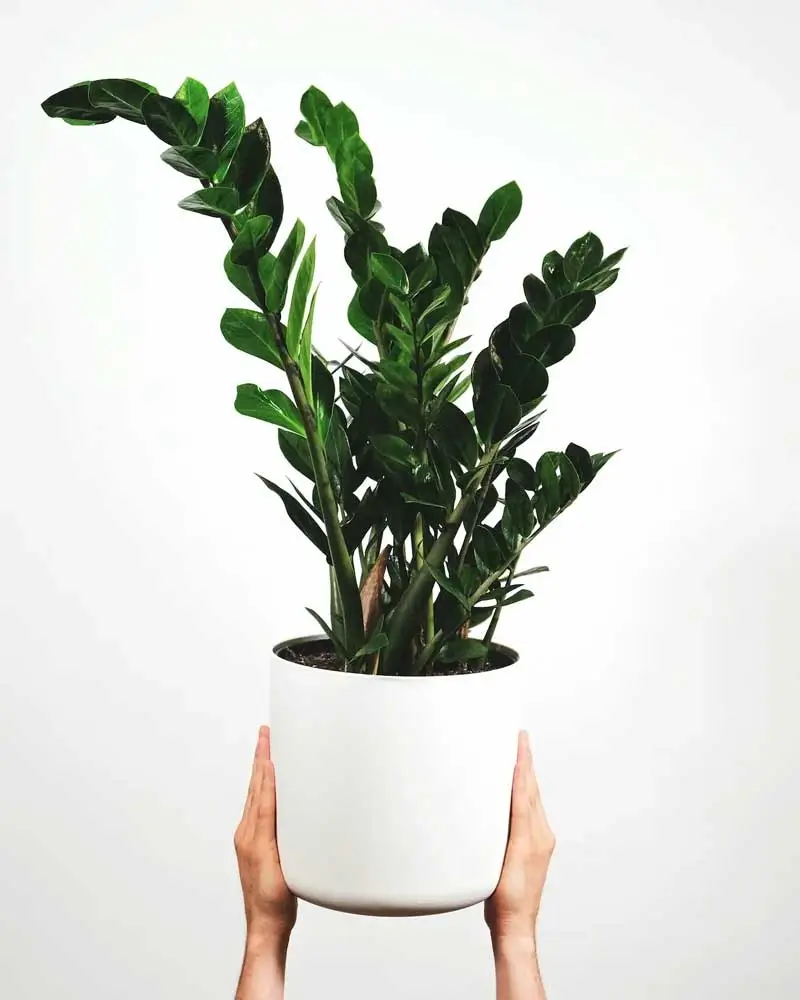
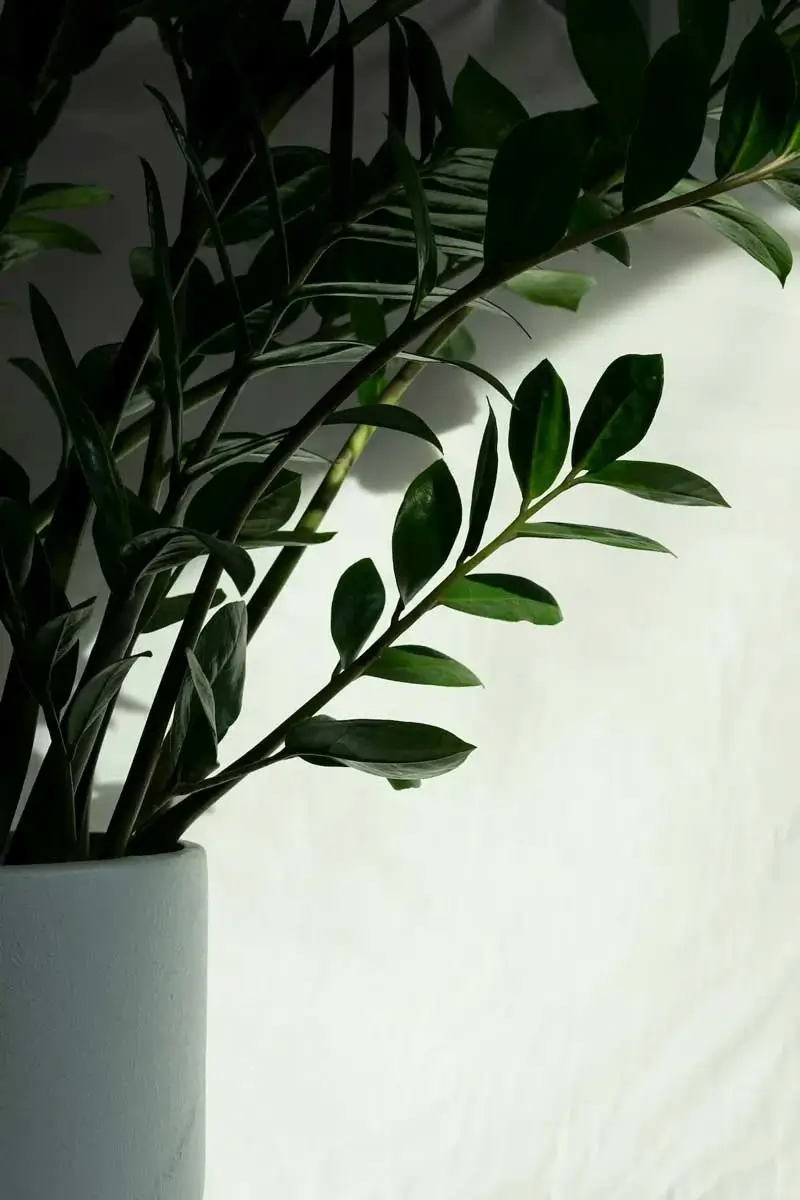
10 Neat Things about ZZ plant
The ZZ plant is everywhere, yet strangely anonymous. It sits quietly in offices, apartments and waiting rooms, looking polished and unbothered, even when no one is quite sure how long it has been there or who last watered it. That calm competence hides a plant with a surprising backstory and some genuinely unusual adaptations.
1. Why ZZ?
“ZZ plant” is just a shortening of its botanical name, Zamioculcas zamiifolia. It stuck because the full name is a mouthful and because the plant was almost unknown in cultivation until fairly recently. Also? It rhymes with easy.
2. It behaves like a succulent without being one
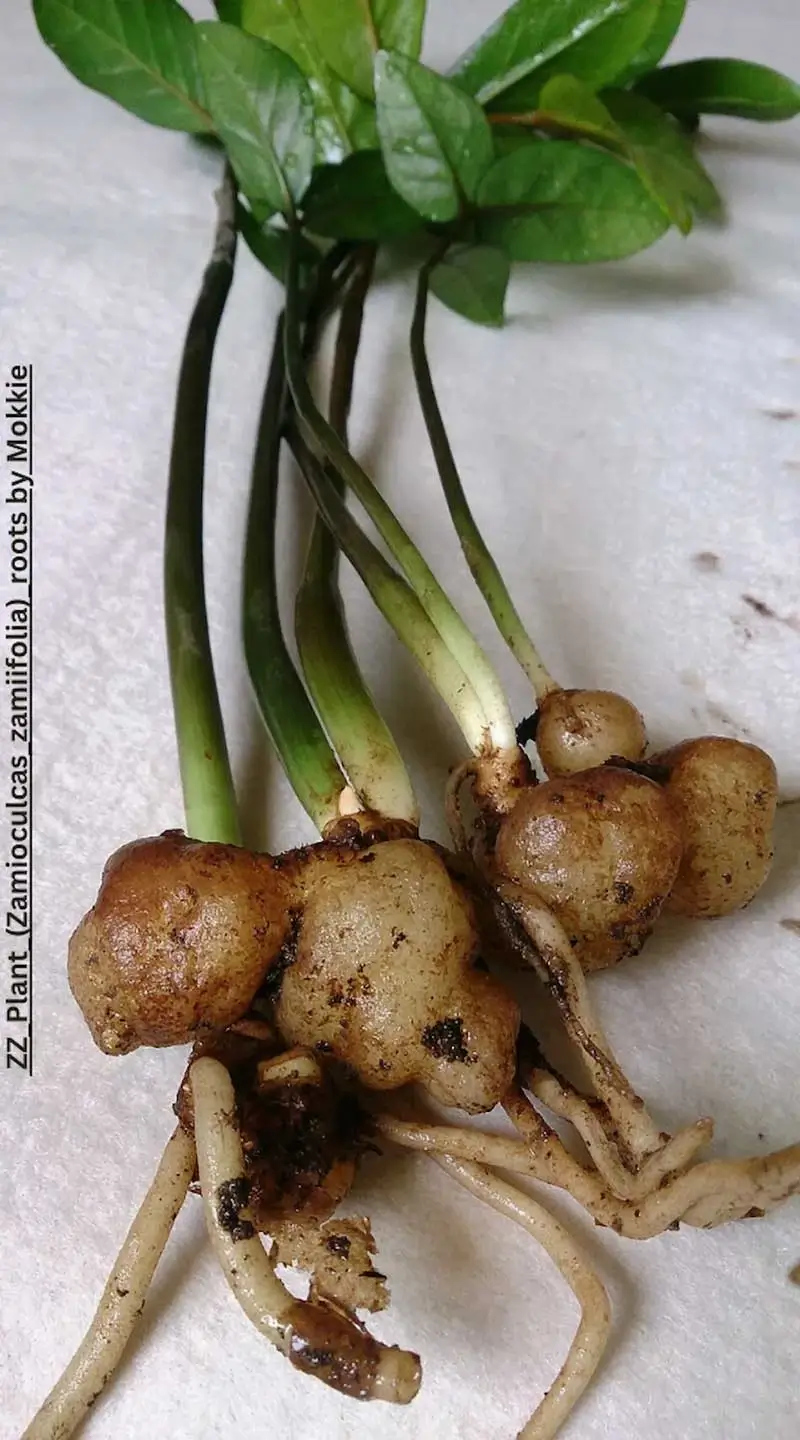
ZZ plants are often grouped with succulents because they tolerate drought so well, but botanically they are tropical aroids. Instead of storing water in leaves or stems, they rely on underground rhizomes that look like potatoes. This is why they cope with low light better than most succulents but still need soil that dries fully between waterings.
3. It is native to eastern Africa
In the wild, ZZ plants grow in parts of Kenya, Tanzania and neighbouring regions, often in dry woodland and rocky grassland. Rain is seasonal and unpredictable, which explains a lot about how the plant behaves indoors.
4. The shine is a survival feature
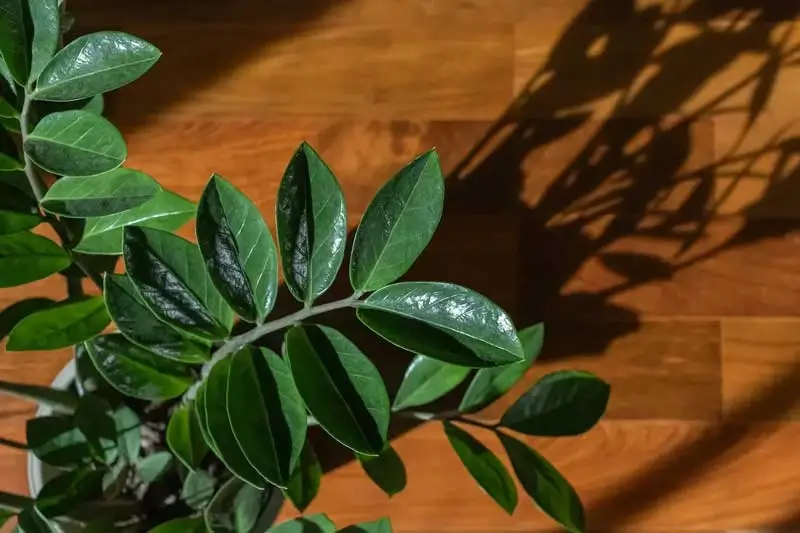
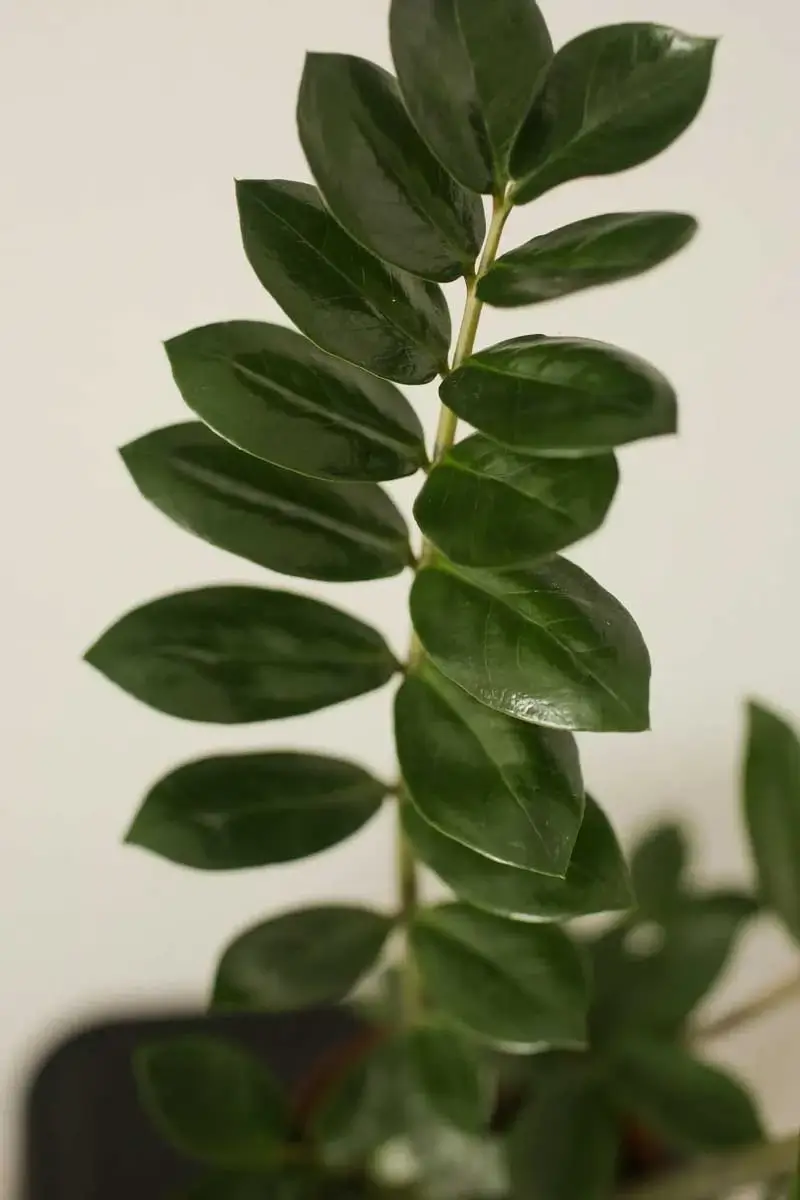
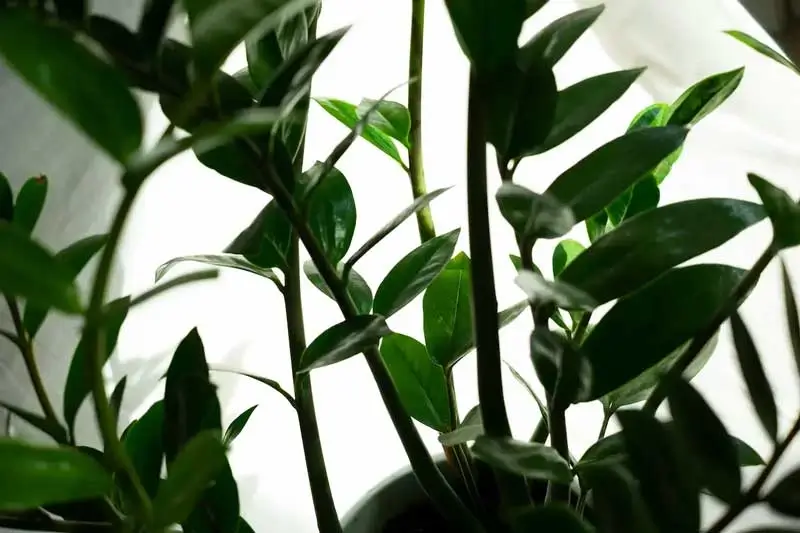
Those glossy leaves are not for show. The waxy surface reduces moisture loss and reflects intense sunlight in its native habitat. Indoors, that same coating helps the plant cope with dry air and inconsistent care.
5. There are surprisingly few cultivars
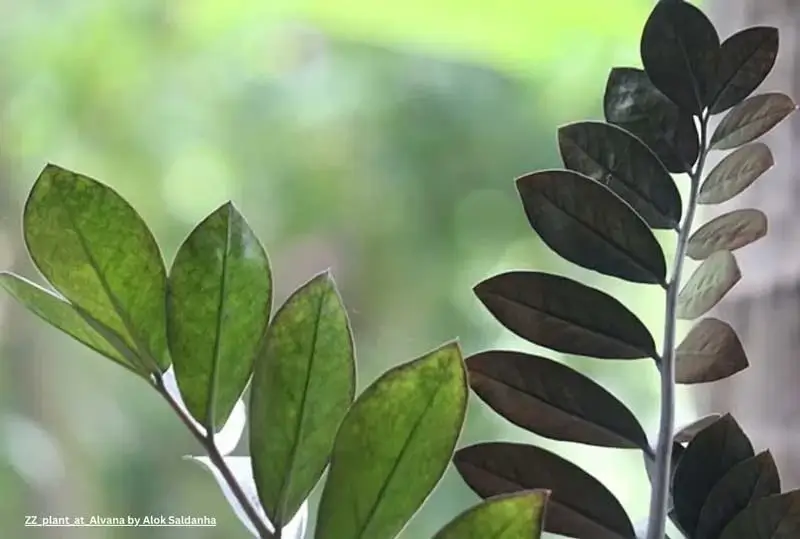
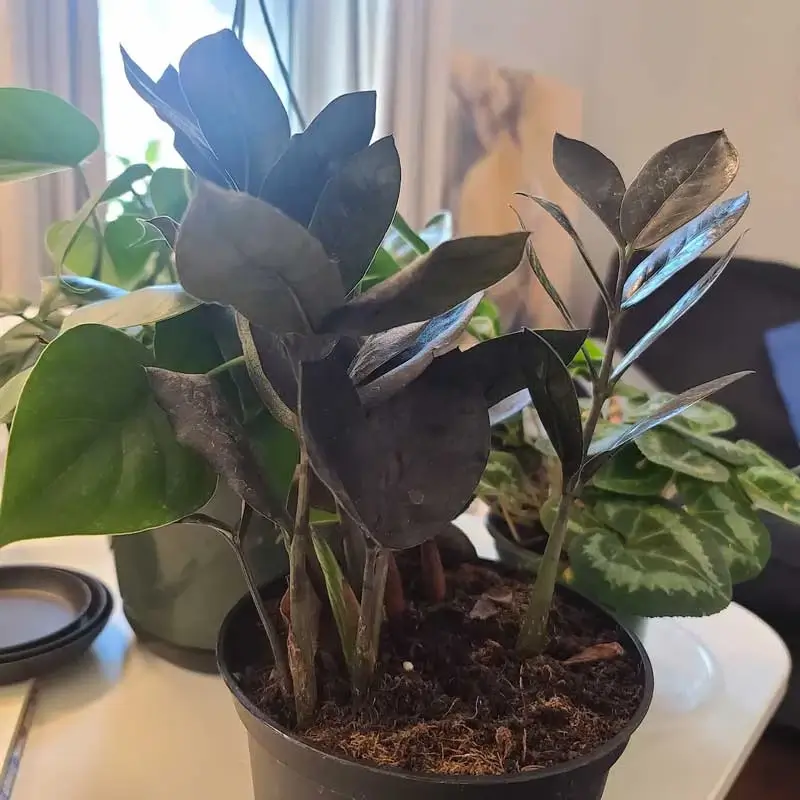
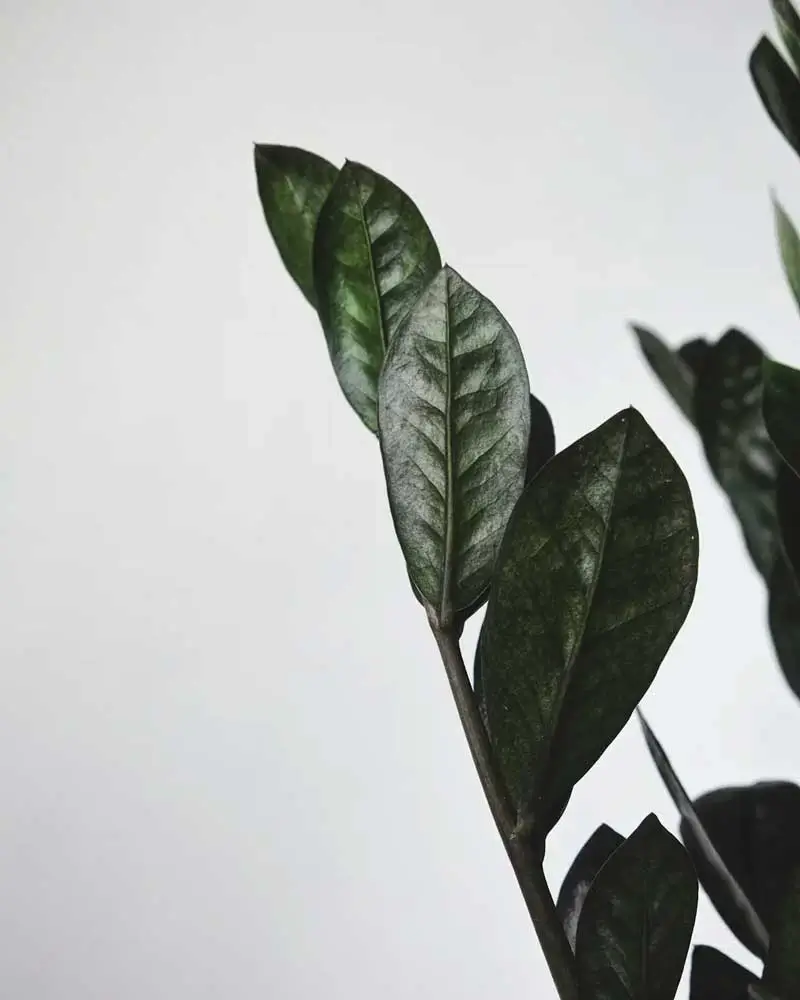
Despite its popularity, the ZZ plant has only a small number of named cultivars. ‘Raven’ is the best known, prized for its leaves that mature from green to deep purple black. ‘Zenzi’ is shorter and denser, selected for its compact habit. Variegated forms exist but are rare, slow growing and less stable. Most ZZ plants sold are still the original species, valued more for reliability than novelty.
6. It was virtually unknown as a houseplant until the 1990s
Although described by botanists in the early 1800s, ZZ plants did not become common in cultivation until late in the twentieth century. Their rise coincided with modern interiors that favoured tough, low-maintenance plants.
7. It grows slowly on purpose
ZZ plants are not lazy growers. They are cautious ones. Energy goes into building and maintaining those underground rhizomes rather than producing constant new leaves. Long pauses between growth spurts are normal.
8. It tolerates low light by waiting, not thriving
The plant survives low light extremely well, but it does not actually like it. In dim rooms it enters a holding pattern, staying alive with minimal growth until conditions improve.
9. Its flowers are real but rarely noticed
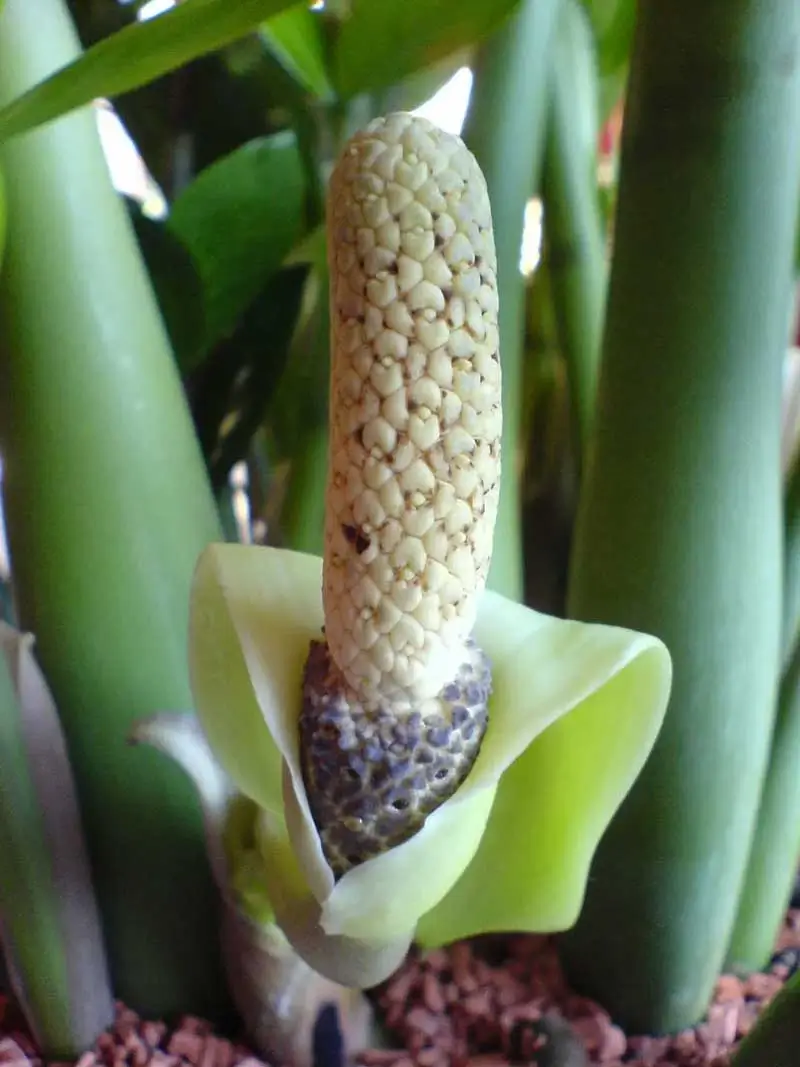
The plants do flower, but the blooms are small, pale and tucked down near the soil surface. They resemble the flowers of peace lilies and calla lilies, which makes sense because they are all in the arum family. Indoors, flowering is uncommon and easily missed, but when it happens it is usually a sign the plant is mature and comfortable rather than stressed.
10. It is mildly toxic for a reason
The ZZ plant contains calcium oxalate crystals, which help the plants store calcium. These microscopic crystals irritate the mouth and throat if chewed, teaching animals to avoid the plant. Indoors, this matters mainly for pets and young children. For routine handling, it poses little risk.