Wednesday, March 11, 2026
10 Neat ThingsFlowersPlantsWeeds

10 neat things about invasive plants


Invasive plants are one of the most misunderstood issues in gardening. Some are undeniably attractive. Many were deliberately introduced and widely promoted. A few may sit quietly in a yard for years before spreading. Yet certain introduced plants are not merely inconvenient. They displace native species, alter soil chemistry, change fire patterns, destabilise riverbanks and degrade wildlife habitat. The ecological and economic costs are real, and once established, these impacts are often difficult or impossible to reverse.

1. They are not just “aggressive” plants

An invasive plant is not simply a fast grower or something that overruns a flowerbed. It is a species introduced outside its natural range that spreads in ways that cause ecological, economic or social harm, often after a lag phase when it appears harmless for years.

2. The lag phase

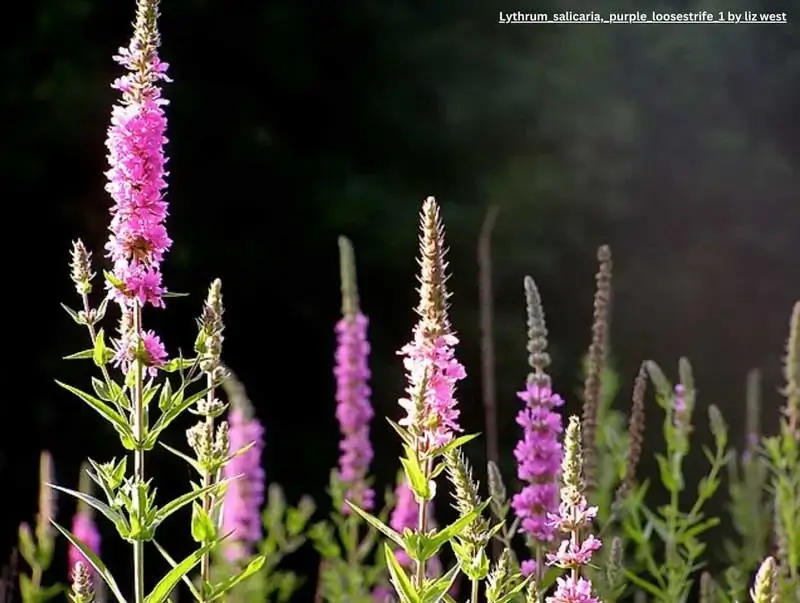
During this lag phase, populations remain small while seed banks build, genetic variation increases or environmental conditions gradually shift. Then expansion can accelerate rapidly, triggered by disturbance, warmer winters or improved dispersal. Purple loosestrife, for example, was grown ornamentally in North America for decades before its explosive spread through wetlands became widely recognised. That is why “it hasn’t spread in my yard” is not reliable evidence of long-term safety.

3. Not all non-native plants are invasive

In fact, few are. Canadians grow thousands of introduced plants that never become a problem. The difference is biology. Invasive species often produce large numbers of seeds, spread vegetatively, tolerate a wide range of soils and climates and lack natural predators in their new home. It is that combination that makes them disruptive.

4. How they got here

Species such as purple loosestrife were once promoted for ornamental value and wetland stabilisation. Leafy spurge was introduced as a contaminant in seed and spread across the Prairies. Common buckthorn became a hedging plant. Japanese knotweed was admired for its bold foliage. Good intentions do not guarantee good outcomes. Click here to find out about bighead knapweed, a garden has been declared invasive in Alberta.

5. Some interfere with underground partnerships

Some invasive plants do not just compete for light and space. They disrupt the hidden biological systems that native plants rely on. Garlic mustard produces chemical compounds that suppress mycorrhizal fungi in forest soils. Many native woodland species depend on these fungi to absorb water and nutrients. When garlic mustard invades, it weakens those underground partnerships, reducing native seedling survival even where soil nutrients remain unchanged.

6. Biological controls can be powerful

Biological control uses carefully selected insects or pathogens from a plant’s native range to reduce its spread. In Canada, Galerucella beetles have reduced populations of purple loosestrife in many wetlands, and Aphthona flea beetles have helped suppress leafy spurge on the Prairies.

7. Biological control has a complicated history

Modern programs undergo years of host specific testing before release to reduce the risk of harming native plants. Earlier efforts were less rigorous. In the 1960s and 1970s, a weevil was released to control invasive musk thistle, but it also attacked native thistle species, reducing seed production in some native populations. That experience reshaped how biological control agents are evaluated today.

8. Seeds can hitchhike in surprising ways

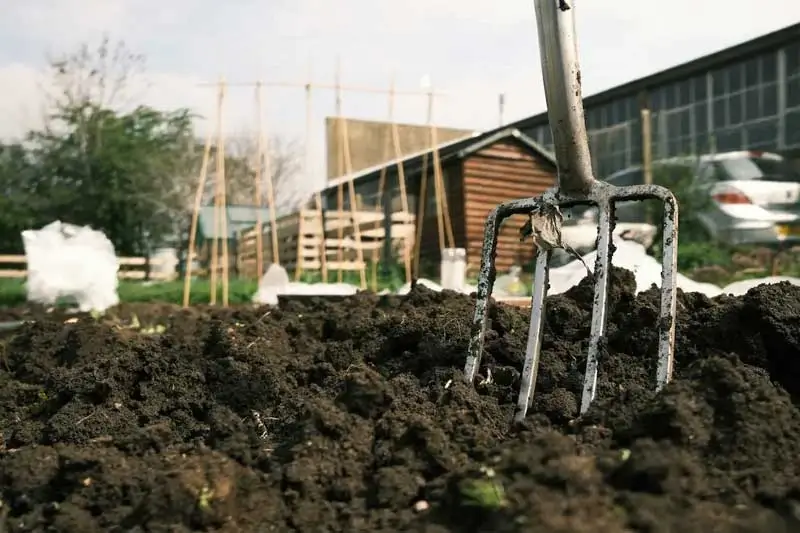
Invasive plants spread through contaminated soil, nursery pots, boots, ATVs, hay, bird seed and even fill dirt used in construction. Moving soil from one site to another is one of the fastest ways to introduce a new problem.

9. Role of garden centres

Many invasive plants entered the landscape through the horticulture trade, including purple loosestrife and Japanese barberry. Some are still sold in certain regions. At the same time, provincial regulations restrict listed species, and many retailers now remove high risk plants or improve labelling. Retailers respond to demand, and gardeners drive that demand.

10. Why bother fighting them?

Full eradication is rarely realistic once a plant is widespread, but management reduces harm. Early detection, rapid response and containment protect high value areas and limit long term costs. Left unchecked, species such as garlic mustard and Japanese knotweed suppress regeneration, damage infrastructure and reduce biodiversity. Limiting their spread maintains ecological resilience for the future.