Thursday, March 12, 2026
10 Neat Things

10 Neat Things about Onions


Onions (Allium cepa) are one of the earliest vegetables gardeners plant each spring. They grow happily in cool weather and reward early attention with full, flavourful bulbs later in the season. Most gardeners grow them from small bulbs called sets, but onions can also be grown from seed or young seedlings. Each method follows a slightly different path through the onion’s natural life cycle.

1. Those little onions are called sets

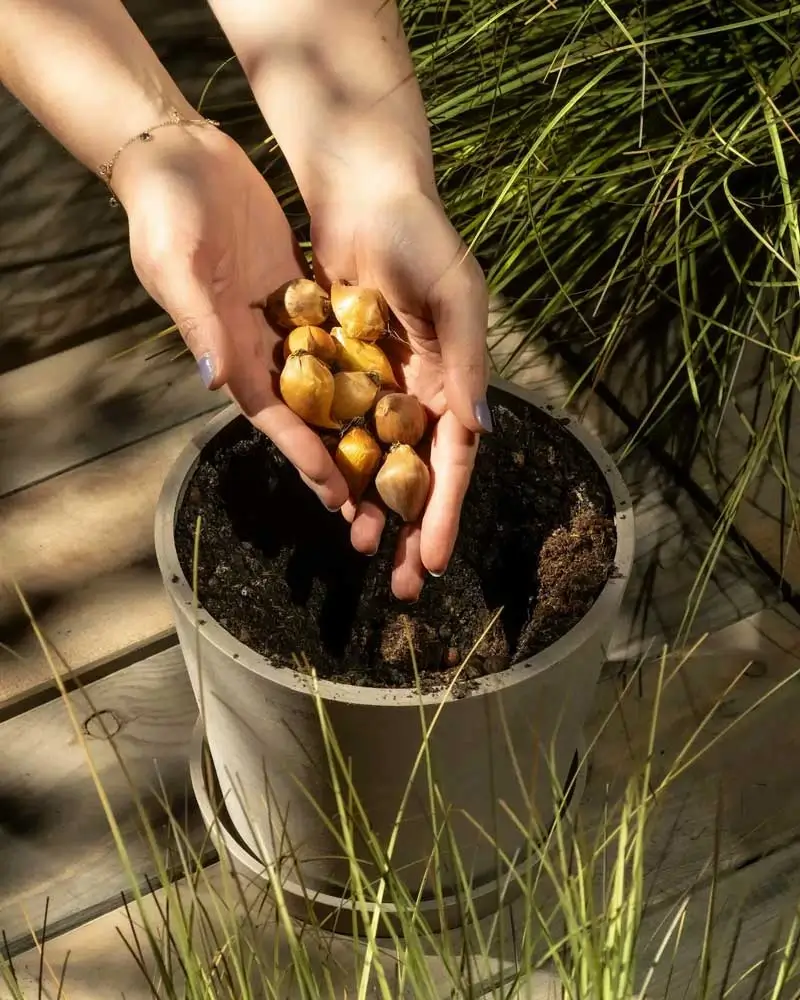
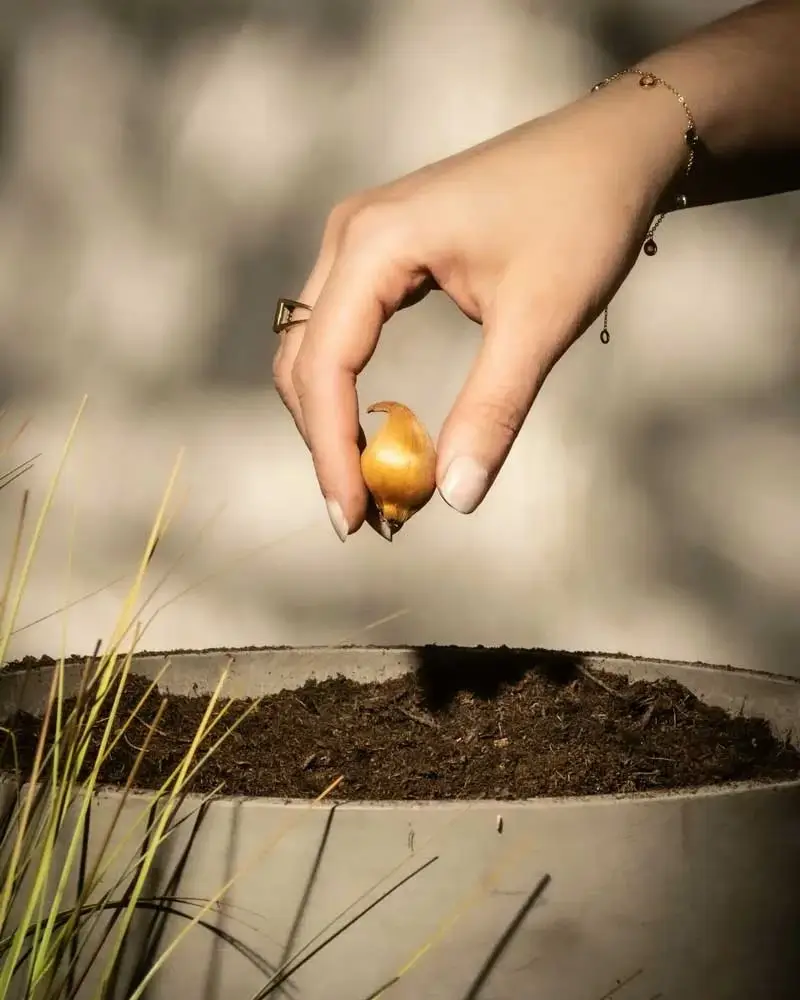
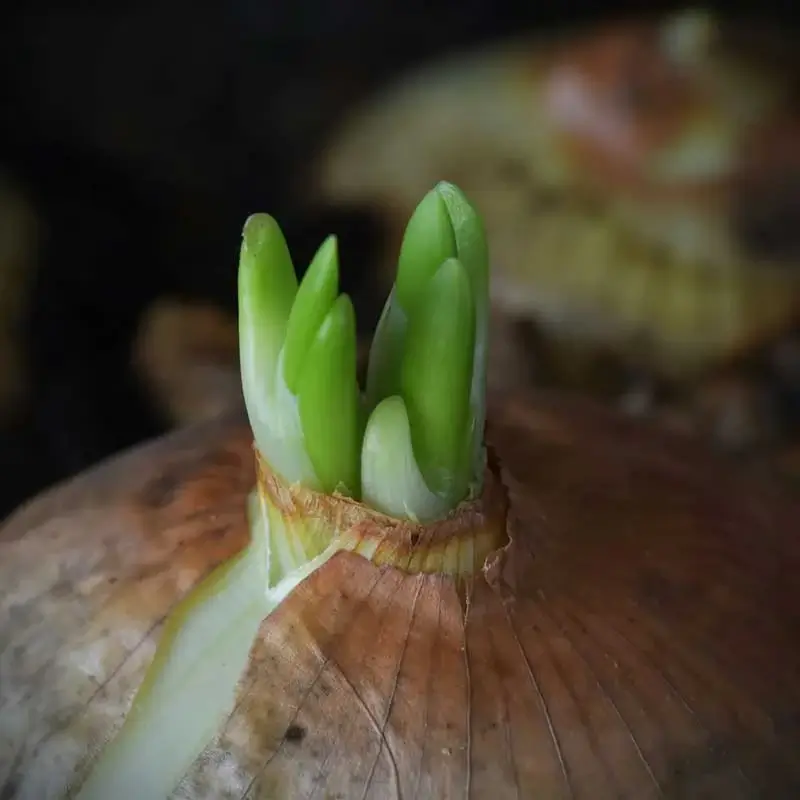
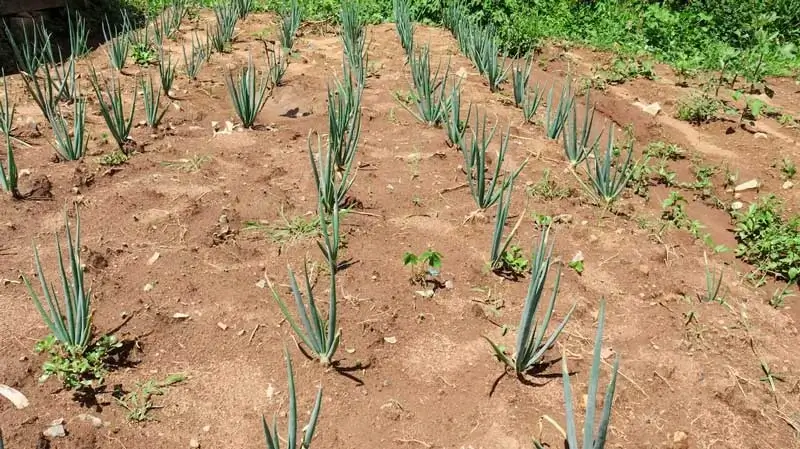
The small bulbs sold in mesh bags each spring are called onion sets. They are onions grown from seed the previous year and harvested while still tiny. When planted again the following spring, they resume growth and form a mature bulb. Gardeners like sets because they are simple and reliable. They sprout quickly, tolerate cool soil and do not require indoor seed starting. Onions themselves belong to the allium group of plants, which also includes garlic, leeks and chives.

2. Seeds take the full route

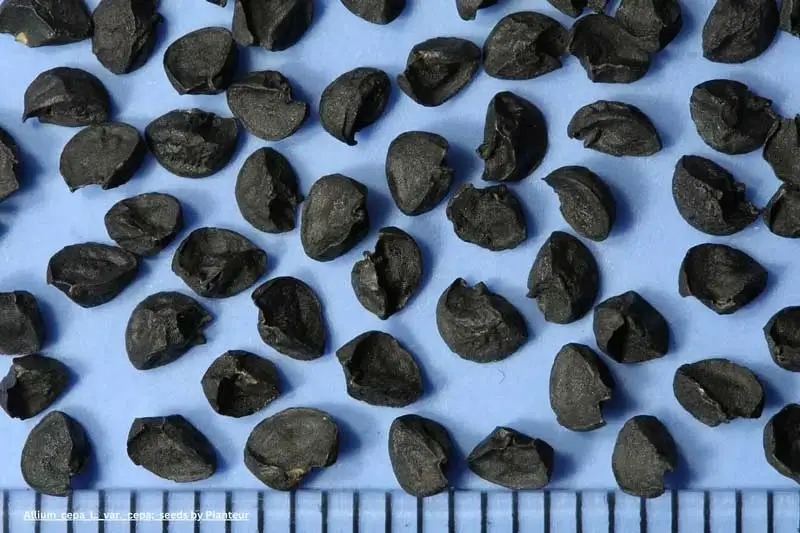
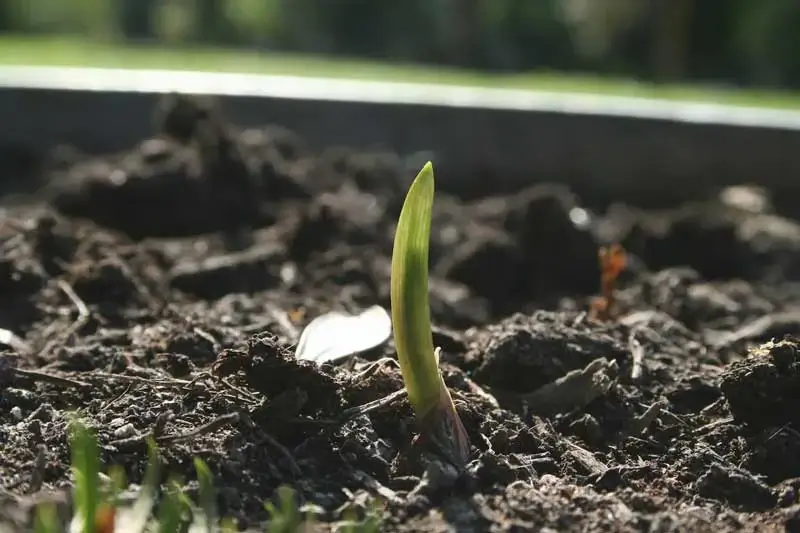
Onions grown from seed follow the plant’s natural first year growth cycle. The seed germinates, the plant grows leaves and the bulb develops later in the same season once day length triggers bulbing. Gardeners usually start onion seeds indoors about ten to twelve weeks before the last frost to give the plants enough time to grow before they are transplanted outdoors.

3. A true two-year plant

In nature, onions are biennials. In their first year they form a bulb that stores energy. If that bulb survives the winter, it uses that stored energy in the second year to send up a flower stalk and produce seeds. Gardeners usually harvest onions at the end of the first year, before the plant reaches the flowering stage.

4. Seedlings are a third option

Garden centres sometimes sell onions as young plants in bundles, often tied together in groups of fifty or more. These seedlings are usually grown from seed in greenhouses and shipped bare root in early spring. They transplant easily and establish quickly in cool soil. For gardeners who want specific varieties but do not want to start seeds indoors, they offer a useful middle ground between sets and seed starting.

5. They like an early start

Onions are among the first crops planted in spring. Sets and seedlings can go into the ground as soon as the soil can be worked, often weeks before the last frost. Cool temperatures encourage steady leaf growth, which is critical because those leaves later supply the energy needed to build the bulb. Delayed planting often leads to smaller onions because the plants have less time to produce leaves before bulbing begins.

6. Leaves make the bulb

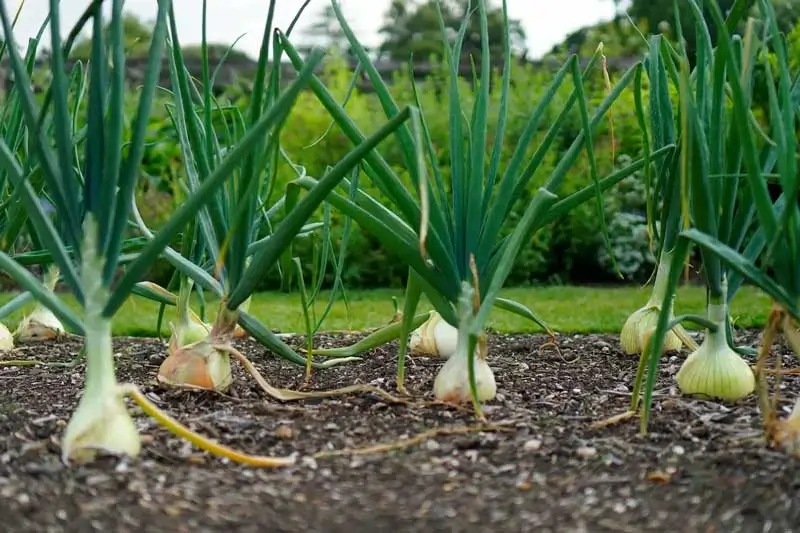
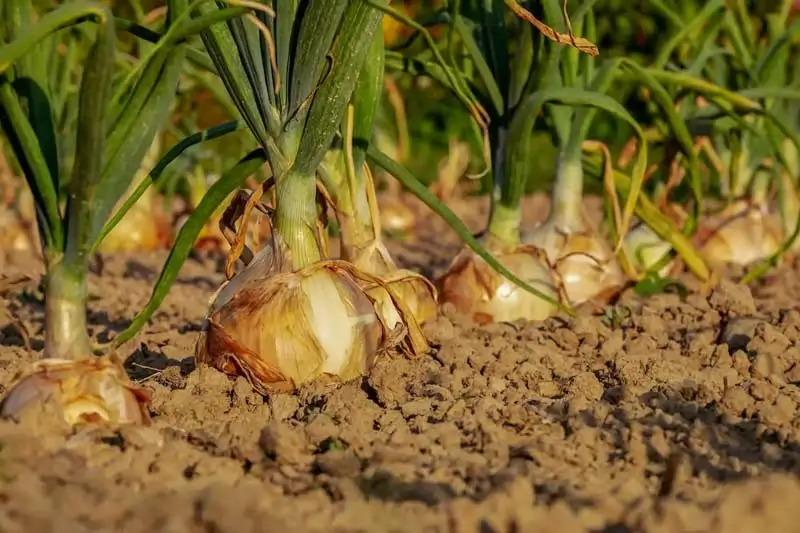
Each hollow green leaf on an onion plant corresponds to a ring inside the bulb. As the plant grows, the bases of those leaves swell and overlap, gradually forming the onion itself. The more leaves produced early in the season, the more layers the bulb can develop. Healthy foliage is therefore essential, which is why onions benefit from steady moisture and fertile soil while they are actively growing.

7. Day length triggers bulbing

Onions do not begin forming bulbs simply because the plant has grown large enough. Instead, the trigger is the length of the day. Long day onions, which are the types grown across most of Canada, begin bulbing when daylight reaches about 14 to 16 hours. Short day onions start much earlier, at about 10 to 12 hours of daylight, and are grown mainly in southern climates. If the wrong type is planted, the plant may start bulbing too soon while it is still small, resulting in undersized onions.

8. Plant them shallow

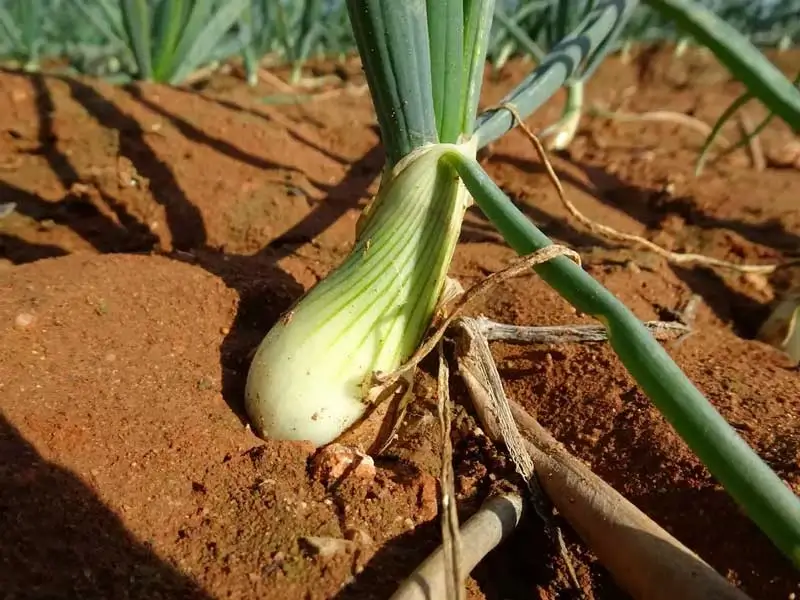
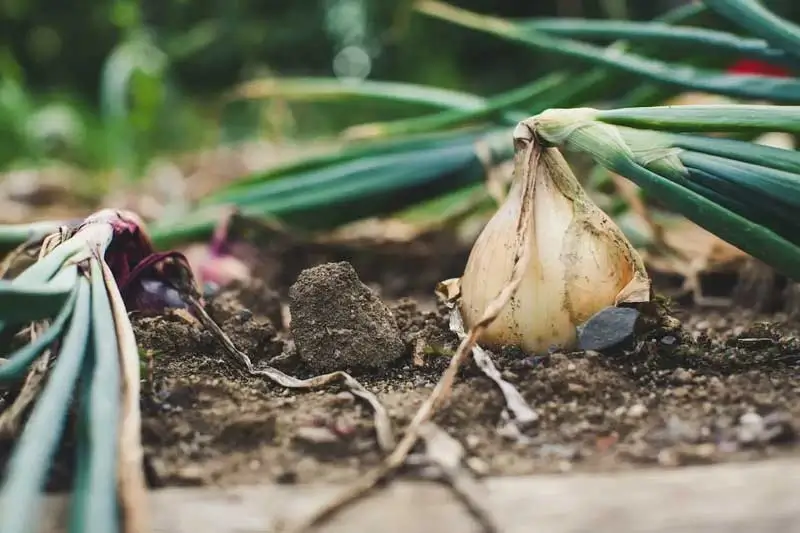
Onions prefer shallow planting because the developing bulb needs room to expand near the soil surface. Sets are usually pushed into the soil so the tip is just visible or barely covered. Seedlings are planted with their roots just below the surface. If onions are buried too deeply, the neck of the plant stays moist and bulb formation can be delayed or reduced.

9. Crowding changes the harvest

Spacing strongly affects the size of the harvest. When onions are planted about 4 to 6 inches apart, each plant has enough room to develop a full-sized bulb. When they are planted closer together, the competition limits their size and they behave more like green onions. Many gardeners take advantage of this by thinning crowded rows early and using the pulled plants as scallions.

10. The tops signal harvest

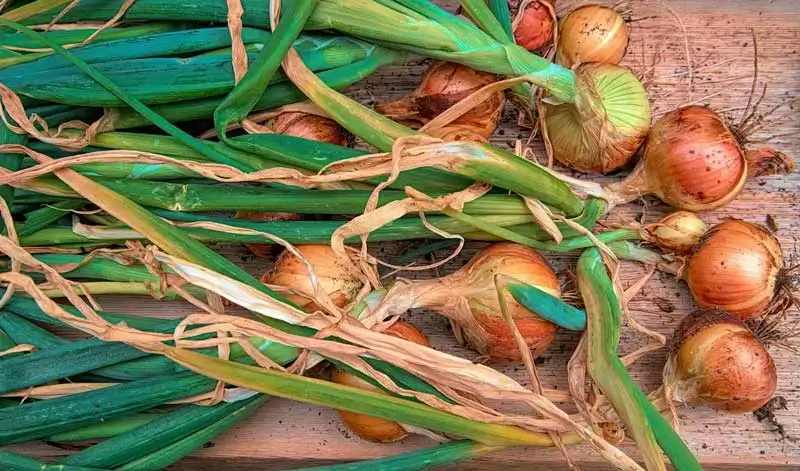
As onions mature, the green tops begin to soften, bend over and eventually dry. This natural collapse signals that the plant has stopped growing and the bulb has reached full size. At that stage the onions can be lifted from the soil and left to cure in a warm, well-ventilated place for several weeks. Curing allows the outer skins to dry and toughen, which greatly improves storage life.