10 neat things about snowmelt
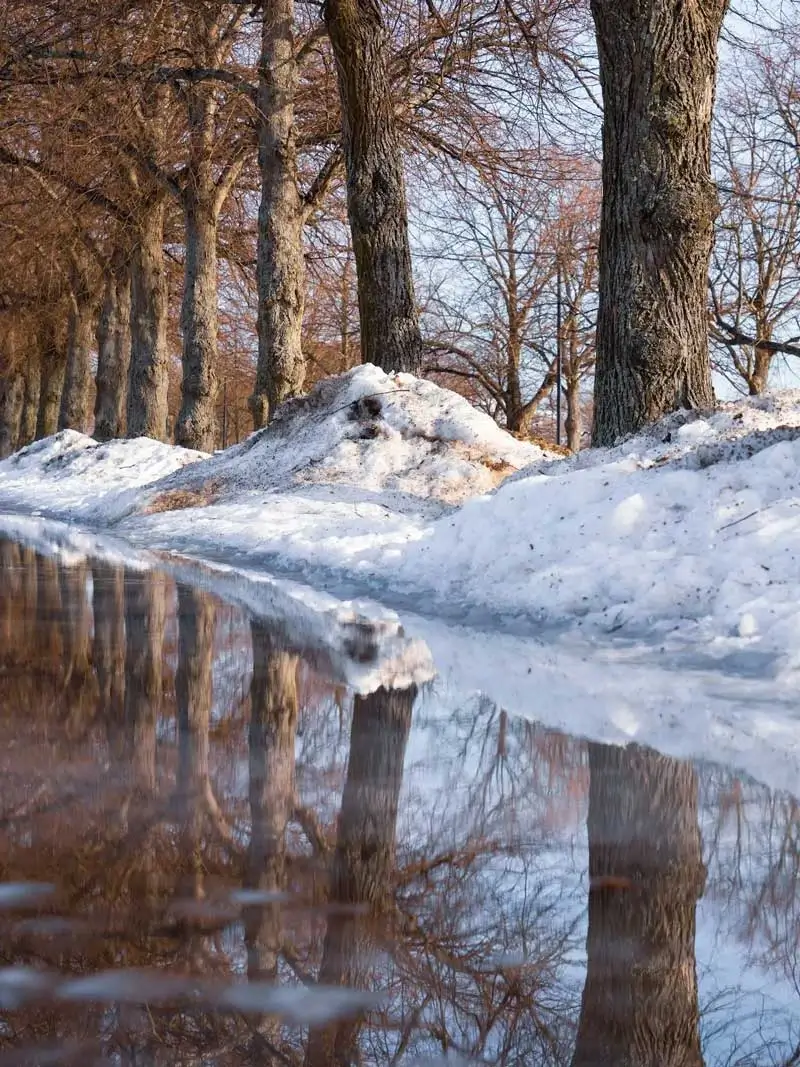
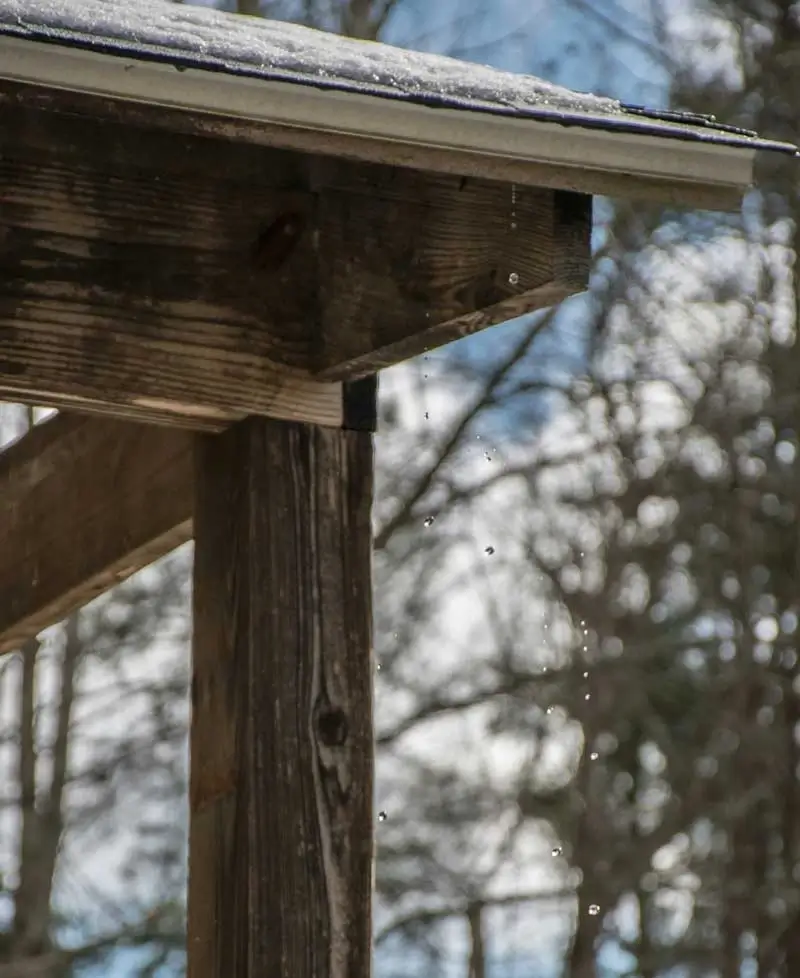
The season is turning, but winter is not quite ready to let go. Across much of the country the snow is melting in the afternoon sun, then freezing again overnight. Sidewalks run with water during the day and turn to skating rinks by morning. Snowbanks shrink, puddles spread across streets and yards, and the slow annual release of winter’s stored water begins. Snowmelt looks messy but it is one of the most important seasonal events in Canada. It refills soils, wakes up living things underground and quietly reshapes the landscape before the growing season begins.
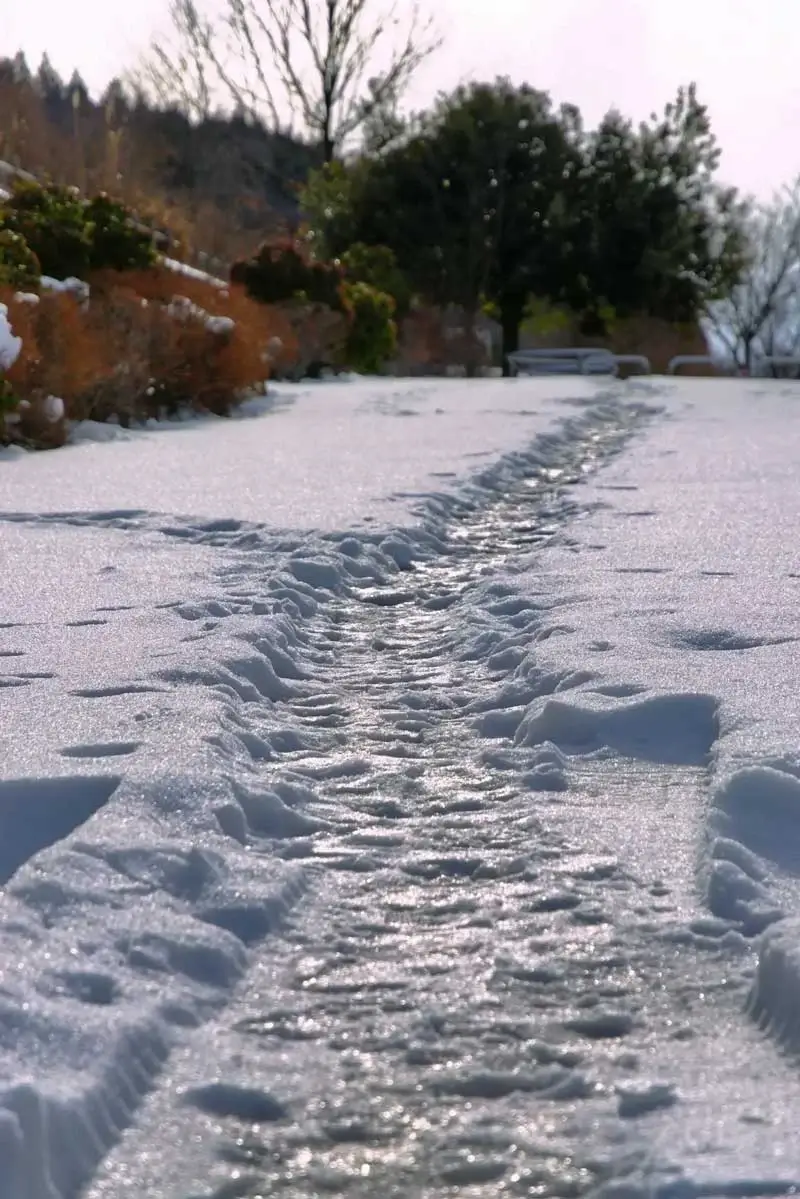
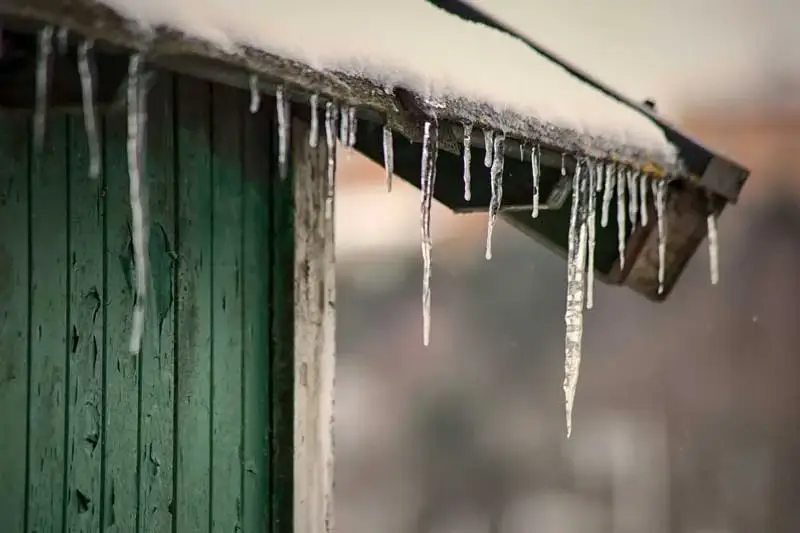
1. The daily melt and refreeze slows spring runoff
2. Snowbanks shrink even while water is running everywhere
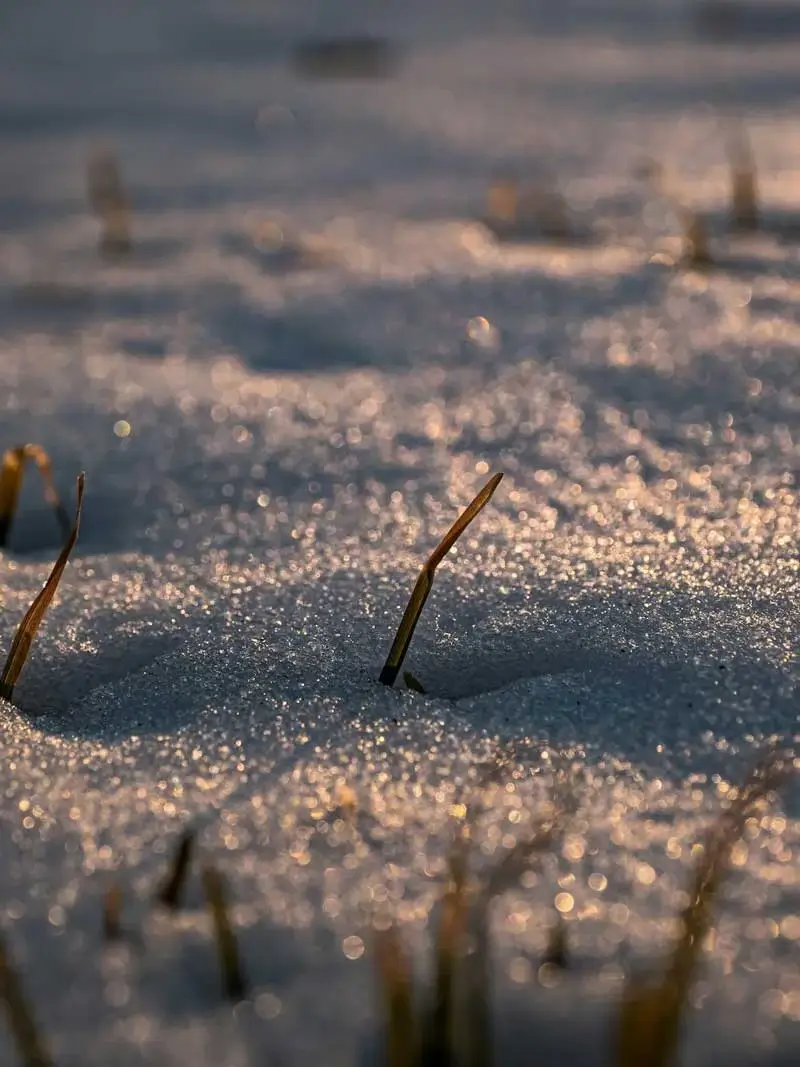
In early spring you can see streams of meltwater running along sidewalks and puddles forming in low spots, yet snowbanks may still seem to be disappearing faster than the water alone would explain. That is because the snowpack is collapsing internally at the same time it is melting. As temperatures rise, the delicate structure of snow crystals breaks down and the air pockets between them collapse. The snow becomes denser and settles. Snow can also disappear directly into the air through sublimation, when ice turns straight into water vapour, although this process is usually more important during cold, dry winter weather than during the spring melt.
3. Snow is mostly air
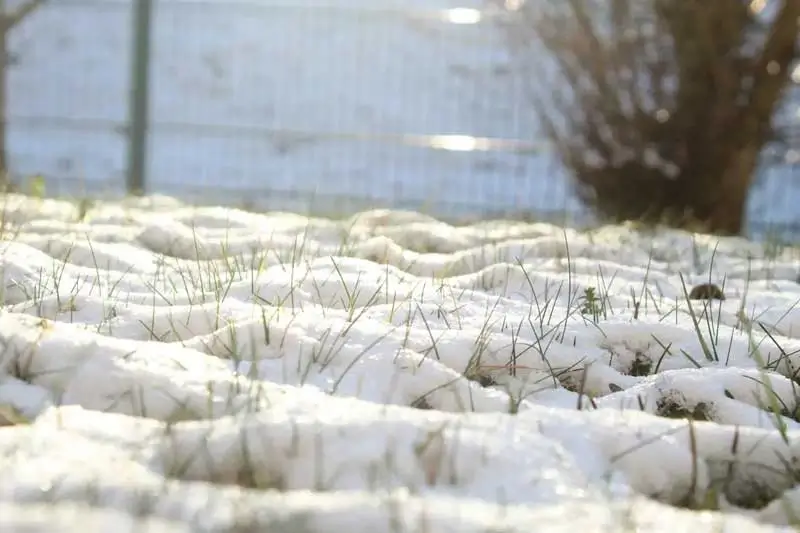
Fresh snow can contain up to 90 to 95 percent air. Snowflakes stack loosely and trap countless tiny pockets of air between them. Because of this, a deep blanket of snow may hold less water than you might think. A common estimate is that about 10 inches of snow melts down to roughly 1 inch of water, although wet spring snow often contains far more water than dry midwinter powder.
4. Snowmelt is one of the year’s biggest water events
In many northern climates, spring snowmelt provides a large portion of the year’s soil moisture. On the Prairies, the spring melt is often the single most important recharge period for wetlands, ponds and shallow groundwater. Without that seasonal release of water, many landscapes would begin the growing season already short of moisture.
5. Frozen soil and frozen drains send meltwater across the surface
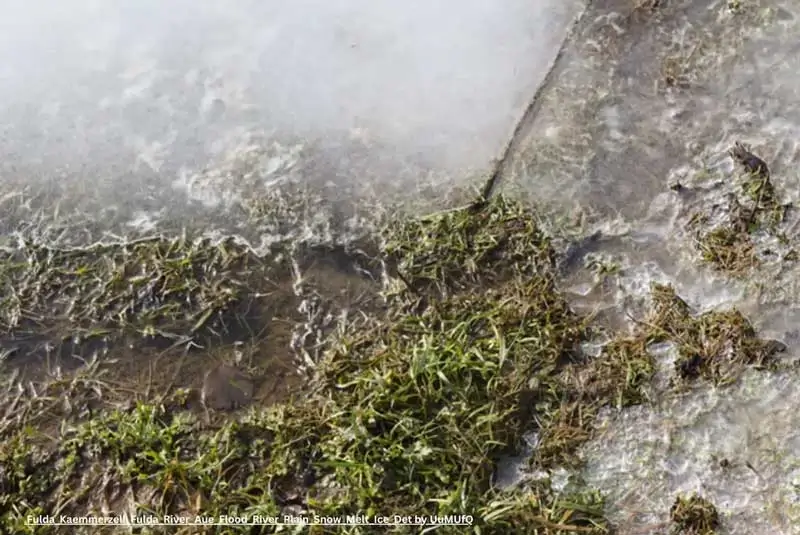
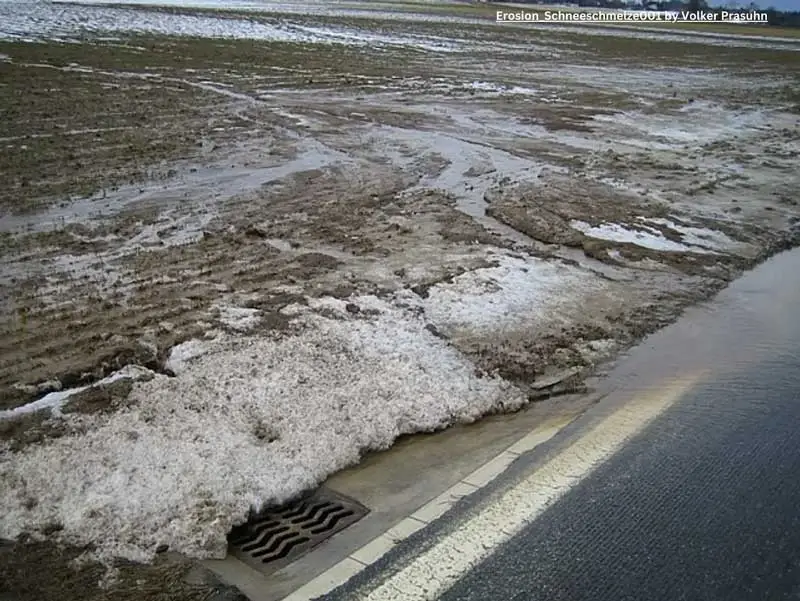
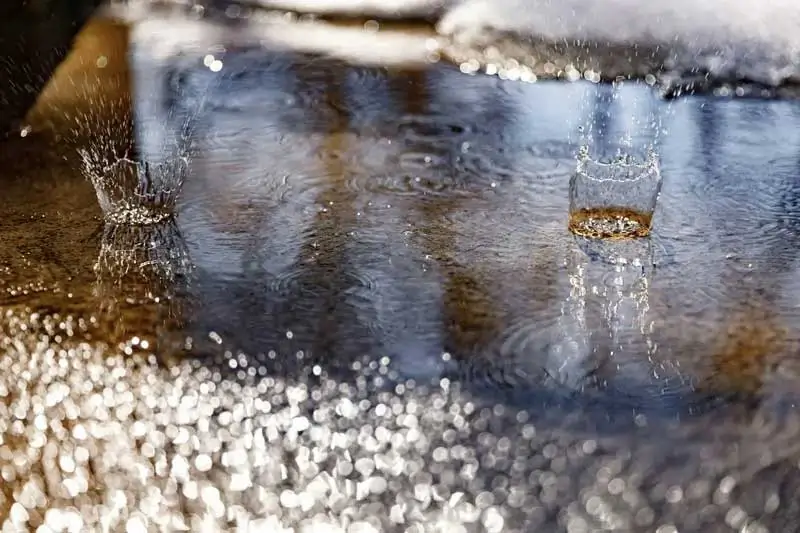
Early in the melt season, the soil beneath the snow is often still frozen. Frozen soil behaves almost like pavement, so meltwater cannot soak in easily. At the same time, storm drains and sewer inlets are often packed with ice and snow left by winter ploughing. Because the water cannot go into the ground or down the drains, it runs across streets, sidewalks and yards, forming the familiar streams and puddles of early spring.
6. Snow protects plants right into spring
A steady snow cover acts as insulation for plants throughout winter and during the early stages of the melt. Temperatures under snow usually remain close to freezing even when air temperatures fluctuate widely. This protective layer shields perennial crowns, bulbs and roots from sudden swings between warm afternoons and freezing nights.
7. Melting snow helps restart soil biology
As soil begins to thaw and moisture increases, microbes that slowed down during winter quickly become active again. Snowmelt water carries small amounts of nutrients and organic material into the soil. Bacteria and fungi respond by breaking down organic matter and releasing nutrients that plants will use later in the growing season.
8. Dark surfaces make snow disappear faster
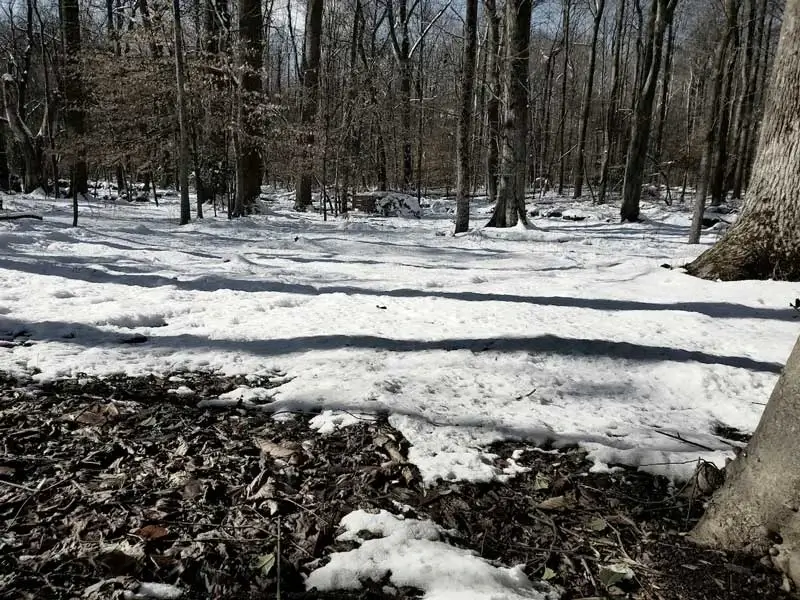
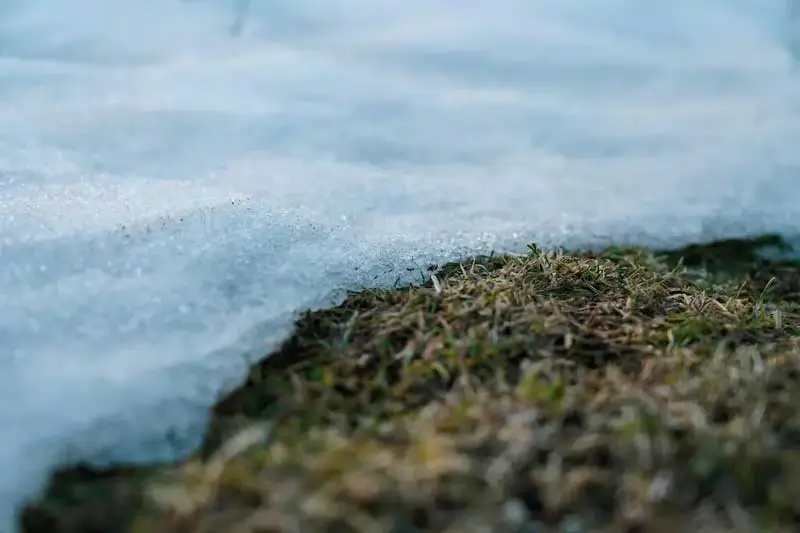
Anything that absorbs sunlight speeds up melting. Dark soil, compost piles, mulch and pavement warm quickly in the sun and transfer heat to the surrounding snow. That is why snow often melts first around tree trunks, along fences and beside garden beds where dark soil is exposed.
9. Melting snow reveals how water moves through your garden
Spring snowmelt quietly maps the natural drainage of your yard. Temporary streams often appear where you never notice water flowing in summer. Low spots where puddles linger may indicate compacted soil or poor grading, while areas that dry quickly may drain well but lose moisture faster during the growing season.
10. Snowmelt can expose winter damage
As the snow retreats, gardeners get their first look at how the garden fared through winter. Frost heaving may have pushed some perennials upward, mulch may have shifted and some evergreen leaves or perennial crowns may show browning or breakage from cold, wind or fluctuating temperatures. The melt period is when many gardeners gently press heaved plants back into the soil and repair beds disturbed by winter weather. And it is when a number of gardeners gradually come back to life after a winter’s rest!
Not ready to forget the snow yet? Check out some cool facts from CBC.