Thursday, April 2, 2026
10 Neat Things

10 Neat Things about Carrots

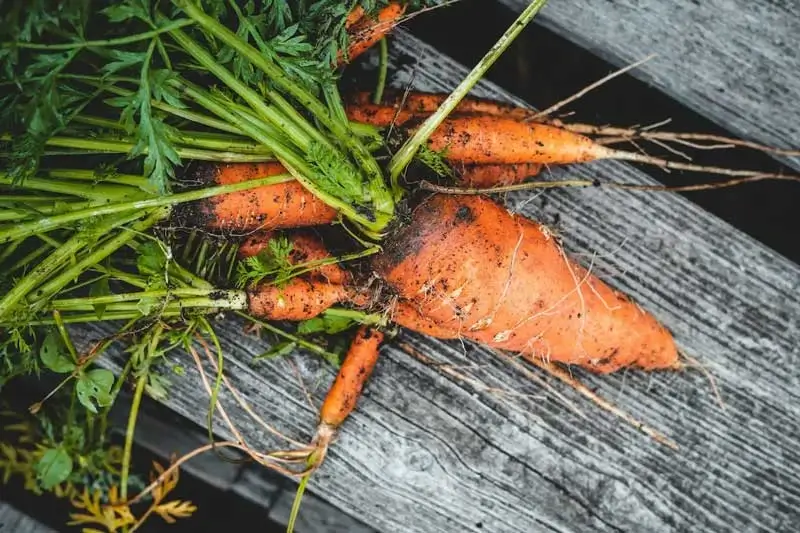
Carrots look simple, but they don’t behave that way. Most of the trouble comes from treating them like every other crop. Once you understand their quirks, they stop being frustrating and start being reliable. Here are 10 Neat Things about carrots.

1. They are happiest in the cool, not the heat

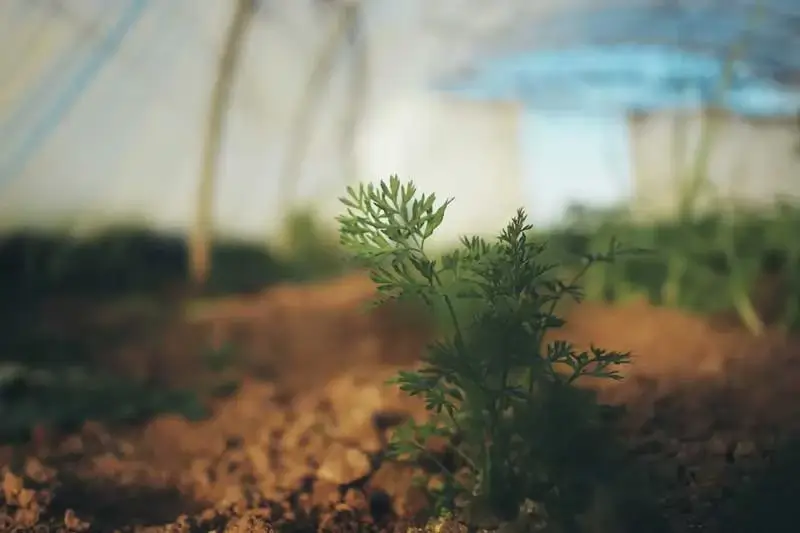
People often assume carrots want warmth, but they are built for cooler conditions. Their seeds will germinate in soil as cold as about 5°C, though more slowly, and roots develop best once temperatures settle into the mid-teens and low twenties.

2. Don’t start too late

Waiting for warm weather feels sensible, but it puts carrots at a disadvantage. Late sowings face faster drying at the soil surface during germination and then try to size up in summer heat. Early sowing gives them time to establish before summer heat arrives. When planted late, they often germinate unevenly and grow under stress, which leads to patchy rows and smaller, unevenly sized roots.

3. The first two weeks decide everything

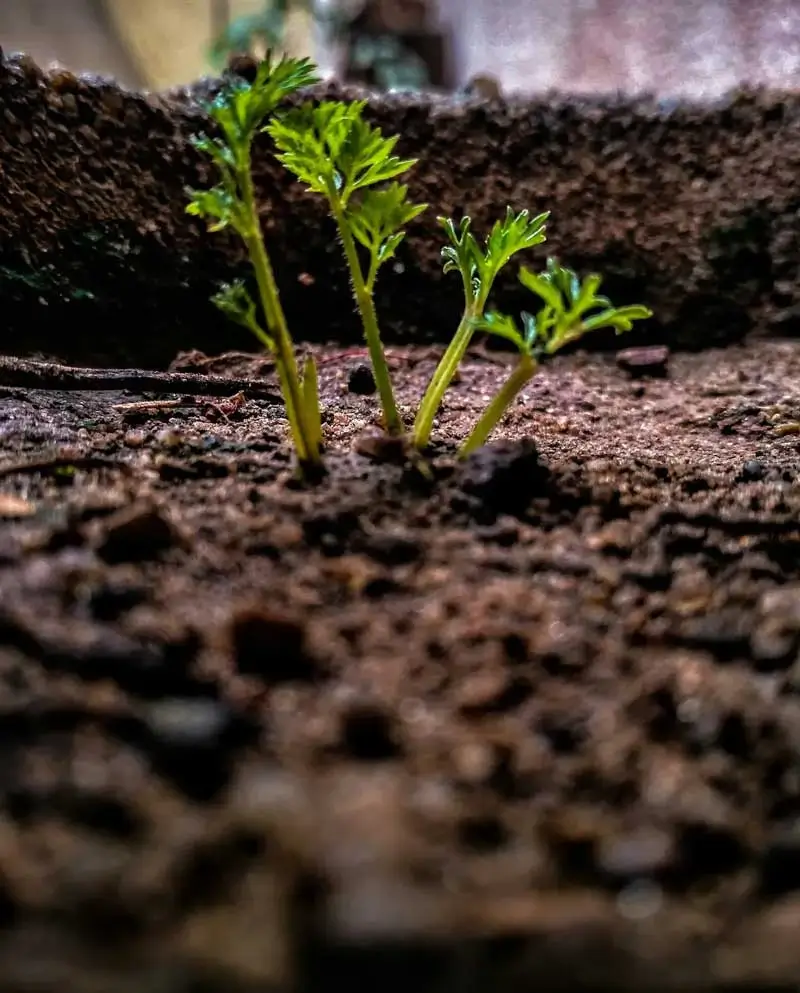
Carrots are unforgiving at germination. The top layer of soil must stay consistently damp for up to two weeks, because the seed is slow and the seedlings are weak. If that surface dries out even once, many seeds simply never make it. They aren’t fussy all season but they are exacting right at the beginning. 

4. Then they find their rhythm

They can test your patience because they do not leap out of the ground the way radishes or beans do. But once established, they are one of the steadier crops in the garden. They tolerate light frost, handle cool weather well, and keep growing quietly while other vegetables sulk or bolt.

5. A little space early goes a long way

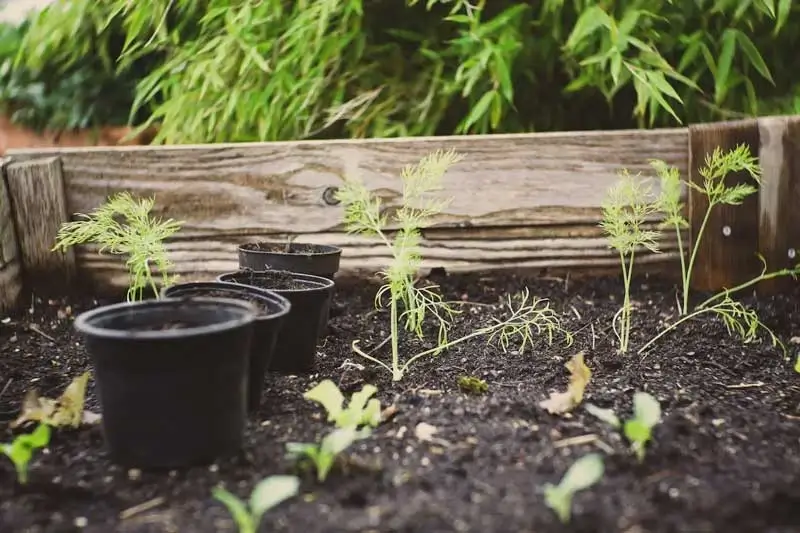
Carrots need room, and they need it from the beginning. Thinning when the first set of true leaves appear, to about one to two inches apart, allows each root to develop fully. If you realise later that you missed thinning, go ahead and do it; late is better than never.

6. Big tops are beautiful but not good

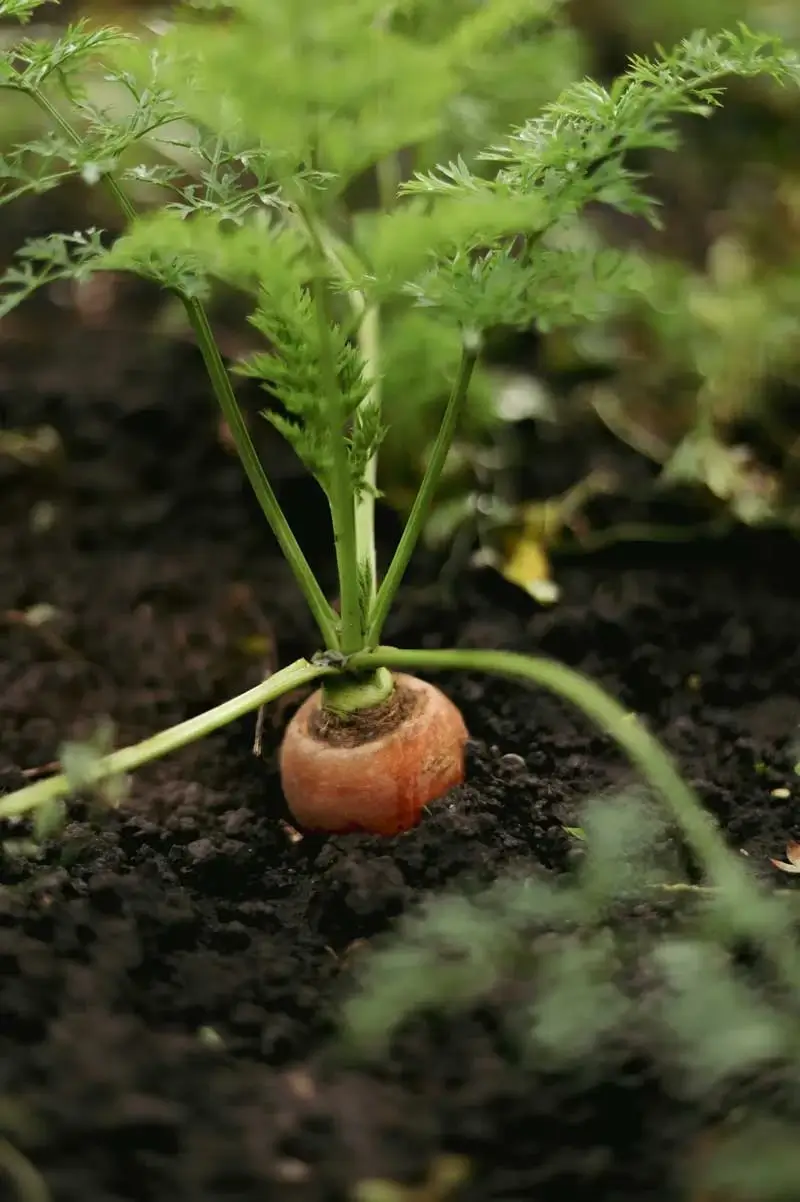
A carrot patch full of lush, dark green leaves can look excellent from above. Underground, though, the roots may be small or disappointing. Too much nitrogen encourages leafy growth at the expense of the part you actually want to eat. Carrots are one of those crops where a modest, unshowy top often signals that the plant is putting its energy in the right place. 

7. They prefer a light touch when it comes to feeding

Carrots grow well in moderately fertile soil and often need no extra feeding at all. If the bed has recently had compost, manure or fertilizer, there may be no need to add anything. Feed the soil only if it truly needs it. In many gardens, the better approach is restraint. Carrots usually respond best when the soil is reasonably good and left alone.

8. Their watering needs change as they grow

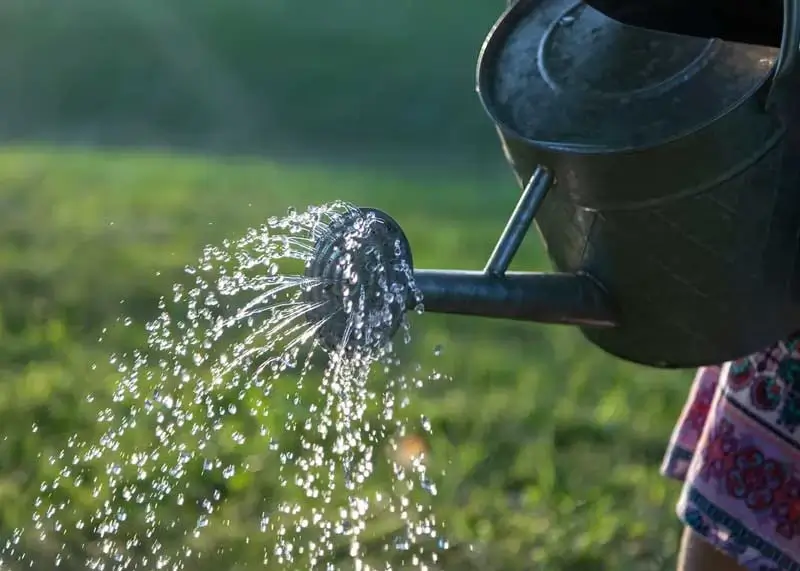
At the beginning, consistent surface moisture is essential for germination. Later on, deeper and less frequent watering encourages roots to grow down and develop properly. Give water in the right way at the right time and carrots respond well.

9. Carrot tops are edible and worth using

The leafy tops of carrots are often discarded, but they are perfectly edible. They have a flavour similar to parsley, with a slightly stronger, more earthy edge. Used sparingly, they work well in pestos, soups, and salads. Like many herbs, they are best treated as an accent rather than a main ingredient. 

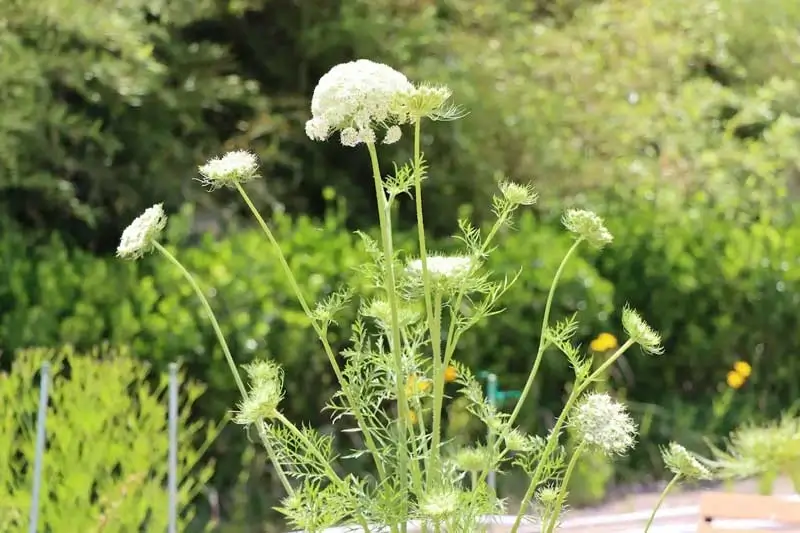
10. Each carrot is saving energy for a second year

Carrots are biennials. In their first year, they store energy in the root. In the second, they use that reserve to flower and set seed. What we harvest is the plant’s storehouse for a future it will never reach.