Star of the fall garden: 10 neat things about asters
By Shauna Dobbie
When the rest of the garden is winding down, asters are just hitting their stride. These starry flowers put on a show when we need it most, drawing in bees and butterflies with a final burst of colour. From the dainty Italian aster to towering New England natives and the flashy annual China asters, there’s one for every garden—and every vase.
1. Stars of autumn
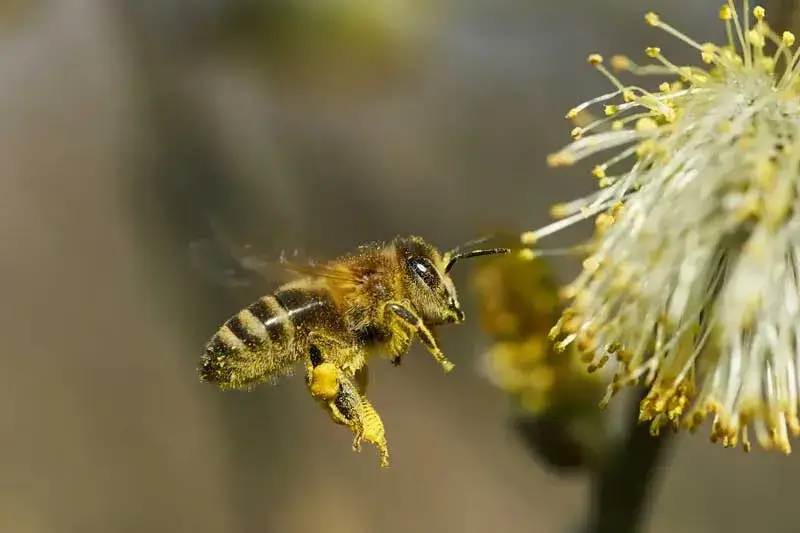
When most perennials are finished, asters light up the garden with starry blooms in shades of purple, pink, blue, and white. They’re the last big splash of colour before frost, and pollinators flock to them.
2. More than one kind
Gardeners call them all asters, but botanists divide them into three groups: true Aster species from Europe and Asia, North American species reclassified as Symphyotrichum and friends, and the annual China aster, Callistephus chinensis.
3. True (botanically speaking) asters of Europe and Asia
These include the compact Italian aster (Aster amellus), which makes neat clumps for borders, and the towering Tatarian aster (Aster tataricus), still used in Chinese medicine.
4. North America’s asters
Our natives include New England aster (Symphyotrichum novae-angliae), smooth aster (S. laeve), and heath aster (S. ericoides). They cover prairies and woodland edges and are essential late-season forage for bees and butterflies.
5. Annual asters
The China aster (Callistephus chinensis) is grown from seed each spring. With hundreds of cultivars, it can look like anything from a neat daisy to a full chrysanthemum. It’s also a favourite cut flower.
6. Pollinator magnets
Only 4 to 6 inches tall, saffron crocus produces lilac-purple flowers in September or October. With patience, you can pull the red stigmas from the plant as soon as it blooms and find out what fresh saffron tastes like. Online sources say it’s hardy to zone 5b, but the guys at Safran de Smilax, a company growing saffron in Quebec, swear that it’s hardy to zone 3b!
7. Scented surprises
Not all asters are fragrant, but some, like the aromatic aster (Symphyotrichumoblongifolium), release a spicy, resinous scent when brushed or crushed. It’s one of the hardiest and most garden-worthy species.
8. Growth habits
Asters range from tight, 12-inch clumps to towering 6-foot tallstems. Pinching back taller varieties in early summer produces bushier plants that stand tall without staking.
9. Easy but spreading
They like full sun and well-drained soil. Many spread by rhizomes, so dividing them every few years keeps them vigorous and stops them from taking over.
10. Long-lasting colour indoors
Both perennial and annual asters make excellent cut flowers. The China aster in particular was bred for the vase, with strong stems and a long bloom life, but native asters also hold their cheerful colour indoors for days.