Sunday, December 7, 2025
10 Neat Things

From bloom to boom: 10 neat things about saving seeds


By Shauna Dobbie

Saving seeds is the gardener’s way of saving for the future. Whether you’re after the satisfaction of growing your favourite tomato again next year, the thrift of skipping the seed catalogue, or the sheer curiosity of seeing what a bee-crossed zinnia might become, seed saving is equal parts science and tradition. It doesn’t take much more than patience, a dry envelope, and a bit of know-how to turn this year’s harvest into next year’s beginning.

1. Dry is the magic word

The number one rule is to keep seeds dry. A paper envelope or small paper bag is ideal, because plastic can trap moisture and lead to mould. You can slip in a bit of rice to soak up humidity or you can use packets of silica gel. Keep the ones that come in shoe boxes or vitamin pills and dry them in a low oven.

2. Cross-pollination can trip you up

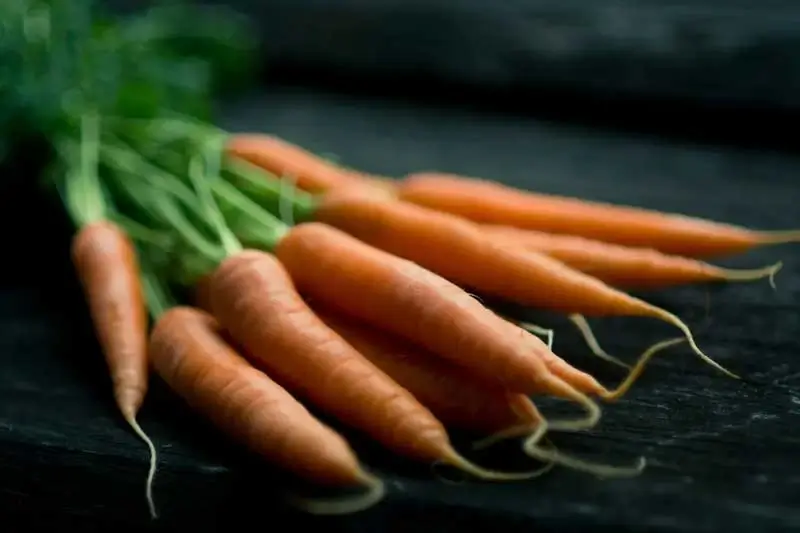
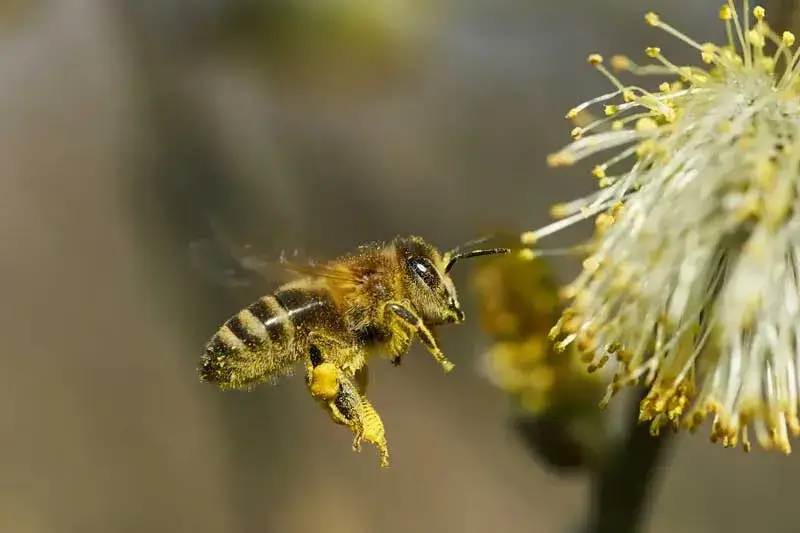
Some plants hardly cross at all—tomatoes, peas, beans, lettuce, and even flowers like sweet peas and morning glories usually come true from seed. Others, such as squash, cucumbers, peppers, marigolds, zinnias, and sunflowers, freely share pollen with help from bees or wind, so the offspring may be unexpected hybrids. Then there are “obligate outcrossers” like corn, carrots, onions, brassicas, and flowers such as columbines, lilies, echinaceas, and many ornamental asters, which simply cannot fertilize themselves and must have pollen from another plant. If you’re saving seed from these, expect nature to have a lively hand in the results.

3. Let it bolt

Some vegetables don’t set seed until they’ve gone past the eating stage. Lettuce, spinach, and broccoli need to bolt and send up tall flowering stalksbefore they produce seed. It may look messy in the garden, but if you’re patient enough to let them finish, you’ll be rewarded with thousands of tiny seeds to save.Flowers are the same; leave them standing after they’ve faded and then collect the seeds.

4. Squash and cucumbers

Unlike lettuce or beans, squash and cucumber seeds aren’t mature when the fruit is young and tender. To get viable seed, you need to let the fruit ripen fully on the vine until it’s hard, sometimes long past the eating stage. A zucchini left to turn into a baseball bat is perfect for seed saving, even if it’s no good on the dinner plate.The trick is: the seeds will be mature when the skin does not give easily to your fingernail.

5. Tomato seeds are a special case (or are they?)

Unlike beans or peas, tomato seeds are wrapped in a gel that contains natural germination inhibitors and can carry disease. The old-school method is to scoop the pulp into a jar with a little water and let it ferment for a couple of days until a mouldy layer forms, then rinse and dry the seeds. It smells a bit swampy but gives you clean, disease-free seed that stores well. Plenty of gardeners skip this step and simply dry the seeds on paper, which often works too, but fermentation is the surer bet for long-term, healthy plants.

6. Who knows how long they’ll last

Seeds vary wildly in how long they stay viable. Onion, parsnip, and pansy seeds often lose their spark after just a year or two, while beans, peas, and many morning glories can sprout after a decade if stored well. Lettuce, brassicas, marigolds, and zinnias usually give you four to six good years. Sunflower seeds, despite being large and tough-looking, tends to peter out after about two or three. In general, small, oily seeds fade fastest, while big, starchy ones hang on longer.

7. Cold storage works wonders

A cool basement or fridge can extend seed life. The trick is to use airtight containers, like mason jars with a silica gel packet tucked inside. Film cannisters work well if you have a source. Seeds last well when they are frozen, which is what seed banks do. But they require drying really well first; unless you’re using a hygrometer, stick to the fridge.

8. Label or lose it

Every gardener eventually finds a mystery envelope of seeds with no name or date. You see it on social media all the time: “What kind of seeds are these?” Proper labelling is imperative: note the plant, variety, and year. I may think I’ll know what “purple tomato, 2025” was in 2027, but experience shows that I won’t.

9. Nature’s time capsules

The record for reliable seed longevity belongs to the Judean date palm. In 2005, scientists planted a 2,000-year-old seed from Masada, and it germinated into a healthy male tree nicknamed Methuselah. In 2011 and again in 2014, more seeds of the same ancient age, dating back about two millennia to the 1st century BCE and 1st century CE, sprouted into female plants. By carefully cross-pollinating Methuselah with these equally ancient companions, researchers have revived a lost fruit: dates that hadn’t been eaten since Roman times.

10. Commercial aids and gizmos

There are little seed-saving kits on the market with envelopes, labels, and silica packs. Some gardeners swear by vacuum-seal machines. Others prefer a shoebox in the closet. The product doesn’t matter as much as the rule: dry, cool, dark.

Here’s how to use your saved seeds!