
Do your tropicals have leaves turning pale and speckled, looking as if someone dusted them with tiny white dots? Then you may be dealing with spider mites on houseplants. Indoors these pests flourish because the air is warm and dry, especially through winter heating season. They multiply quickly, hide under the leaves and can weaken a plant long before you notice any webbing. Understanding how spider mites on houseplants behave and how to interrupt their cycle is the best way to keep your indoor plants healthy.
1. Tiny troublemakers
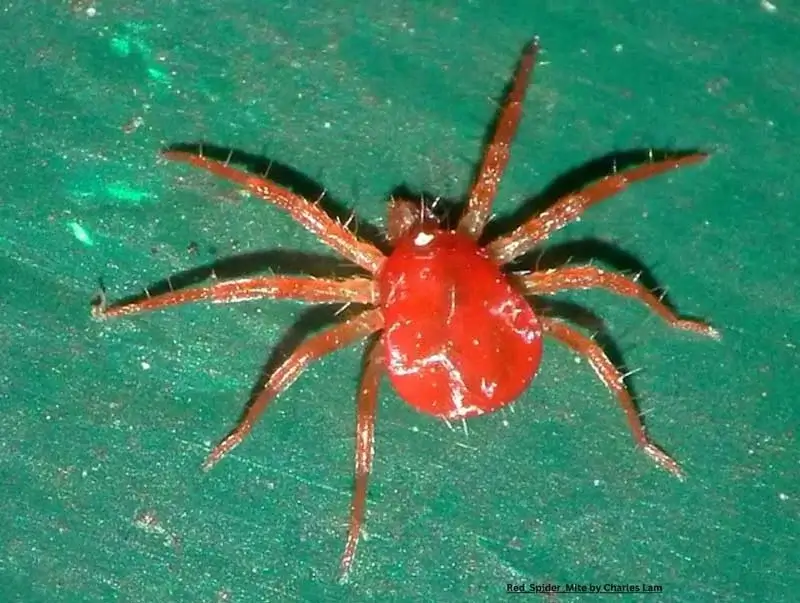
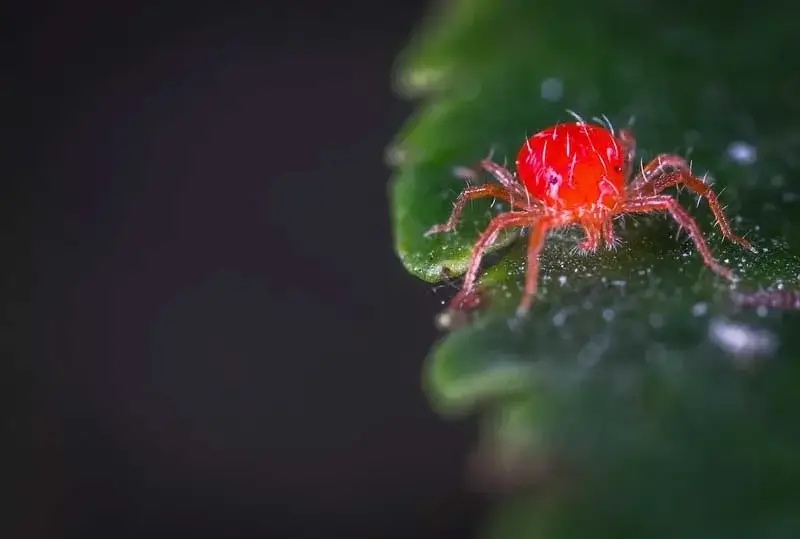
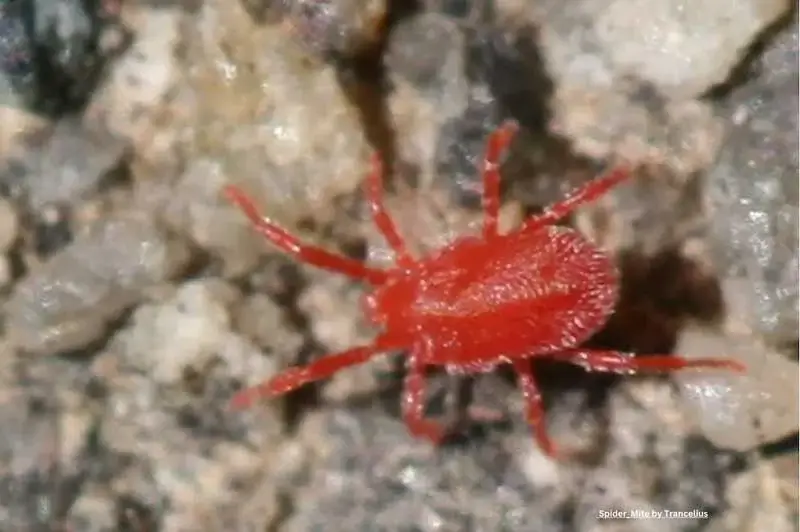
Spider mites feed by piercing individual leaf cells and draining them, leaving a fine speckling on leaves. Indoors they thrive because the temperature is steady and the air is dry.
2. They slip in with new plants
Most indoor outbreaks start with a recently purchased plant that was already carrying a few mites. Because early damage is subtle, it is easy to bring them home without noticing. Some indoor gardeners give all new houseplants a short quarantine. This would give you time to spot trouble before it spreads through your whole collection.
3. Dry air speeds up their life cycle
Low humidity helps them reproduce quickly. A warm, heated home is ideal for them, which is why winter and early spring are their peak season indoors.
4. They start on the undersides of leaves
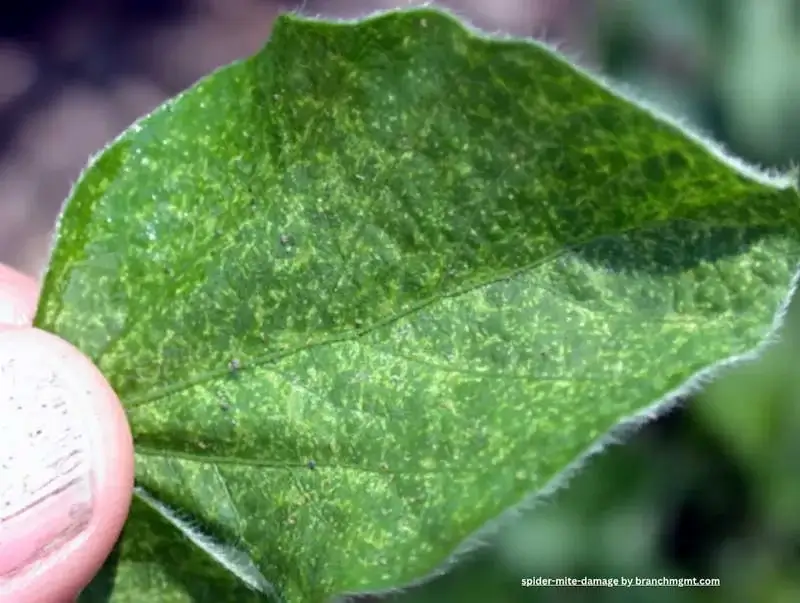
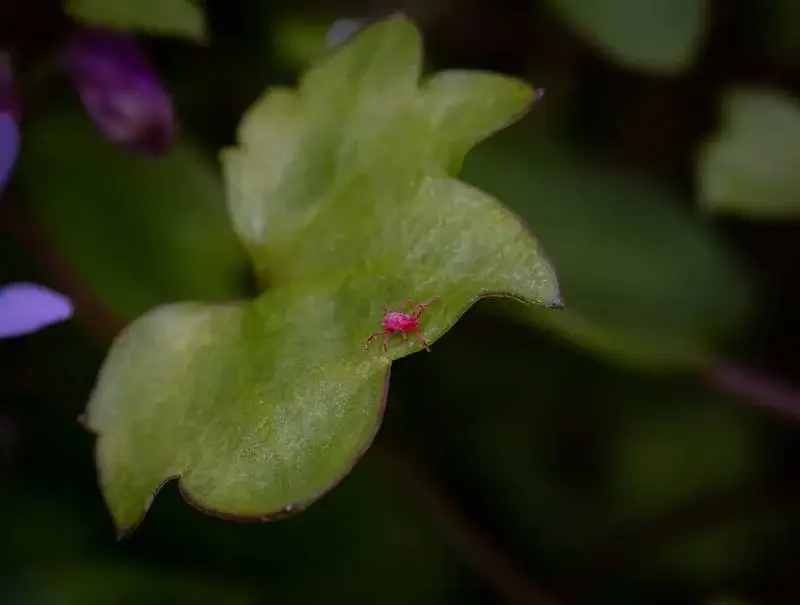
Early damage shows as tiny pale dots. If you tap a leaf over white paper, you may see specks moving. This simple test often confirms a problem long before webbing appears.
5. Webbing means the colony is growing
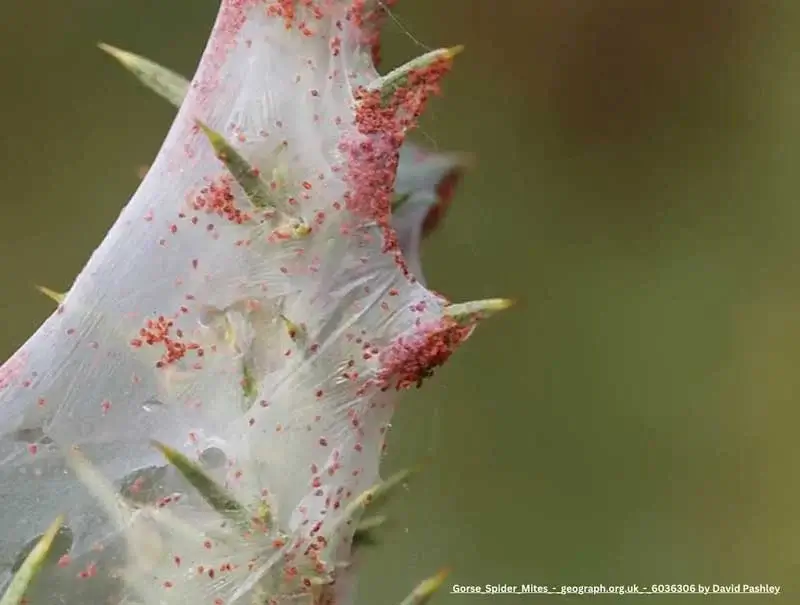
The fine silk across leaves or stems is a sign the population is well established. The silk protects them and makes it easier for them to move from leaf to leaf.
6. Rinsing works better than you’d expect
A gentle but thorough shower in the sink or tub knocks mites off and removes their dust and silk. It does not solve the issue on its own, but it slows them down and helps the plant recover.
7. Oils and soaps help indoors
Insecticidal soap and horticultural oil smother mites if applied with good coverage, especially under the leaves. These products need repeating every few days to catch new hatchlings.
8. Quarantine saves the rest of your plants
Because mites spread easily, isolating the affected plant prevents them from travelling through contact or air currents. A few weeks apart from your collection makes a major difference.
9. Some houseplants are more prone
Palms, ivies, dracaenas, scheffleras and some succulents develop problems quickly when the air is dry. Plants stressed by low light or irregular watering are even more vulnerable.
10. Prevention depends on humidity and vigilance
Keeping indoor humidity up with a humidifier or grouped plants makes conditions less favourable. Checking the undersides of leaves during the heating season helps you catch issues early.