
By Tania Moffat
Today, more than ever, concern for our environment has become paramount. It is only natural that this concern would have an influence on our gardening practices. Many gardeners have been incorporating eco-friendly aspects to their gardens for years, perhaps some-times without even knowing it.
As a country, Canada has taken an interest in pursuing more eco-friendly methods in pest and weed control. Many cities, municipalities and towns have banned pesticides for cosmetic use and moved to more earth-friendly insect pest control methods.
How can you incorporate eco aspects into your garden and help the earth? It is easier than you may think to get started. Many aspects require a little common sense and adjustment to our regular practices. Here are 15 things you can do to make your garden more eco-friendly:
1. Plant trees!
Trees are one of the best and prettiest ways to reduce our carbon footprints. They improve air quality by filtering out air pollutants and carbon dioxide, in addition to releasing oxygen. They provide shade, prevent soil erosion, and offer homes and food for wildlife. Trees are efficient tools in fighting the greenhouse effect and in creating biodiversity.
2. Mulch
Mulching around trees and shrubs will help to conserve moisture and benefit the well-being of your plant. It keeps roots cool in the summer heat and insulates them over the cold winter months. High quality wood mulch helps to cut down on weeds and releases nutrients as it decomposes. Read the label to ensure it is made from natural wood. Quality mulches are the by-products of lumber milling and processing, just another part of reducing waste! Top up your mulch every year and ensure it does not remain chronically wet.
3. Fight without chemicals when you can
Diatomaceous earth and other natural based products can work wonders for your pest control needs. Often simple home-based solutions can help and prevent chemicals from leaching into the ground. Water and dish detergent will kill any number of plant pests, vinegar and other regular household items can also help depending on your needs. You don’t have to abandon chemicals, but start with natural solutions where you can. Take mosquitoes for example, one of the best ways to reduce their populations is to simply remove standing water from your property.
4. Feed your plants naturally with earth friendly
products like: Compost- It’s free if you do it yourself! Use a bin or build a composter and turn food scraps (not meat) and fall leaves into black gold for the garden. Make tea– From worm tea to seaweed, add a natural fertilizer. Bone and blood meal are also great natural additions for plants. Manure– If you have chickens or farm animals let them anure mellow for at least six months or add it to your compost for some super fertilizer. Vermi compost– A mix of the tea and compost ideas, steep worm castings in water to make a liquid foliar feed or add the castings directly into the garden.
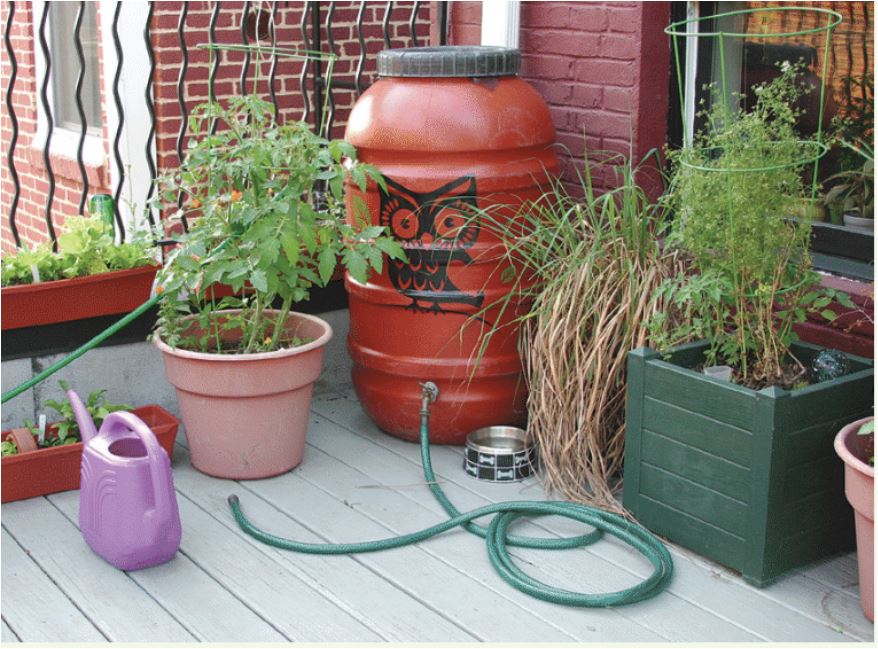
8. Install a rain barrel
Rain barrels are a wonderful way to save on high water bills. They are simple to use, just hook them up to your downspout and save all that water headed for the storm sewers to water your plants.
9. Recycle in the garden
Use newspapers and flyers for seedling pots or cut non-glossy paper up and add it to your compost pile. Don’t forget to recycle all those plastic plant pots and trays!
10. Trust Mother Nature
Planting native species is not only good for preventing the spread of invasive species that are trying to choke them out in the wild but they also help our local ecosystems. Take milkweed as a perfect example. It used to flourish in the wild, now it, and the butterflies that depend on it for survival, are disappearing. So help Mother Nature and your local ecosystems – plant and support native species.
11. Plant a pollinator garden
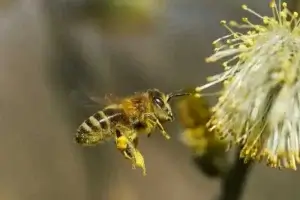
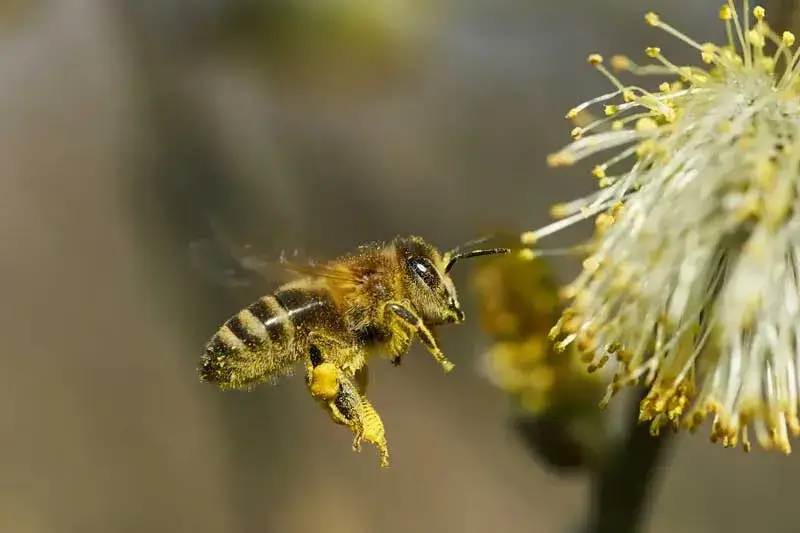
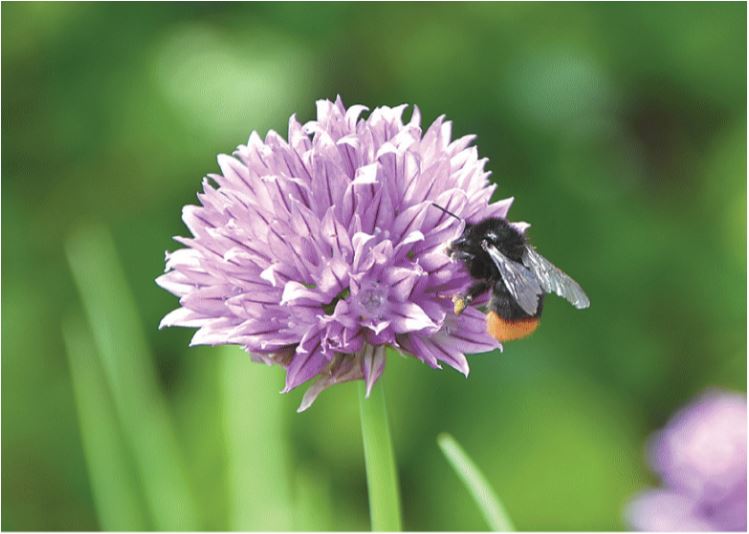
Our bee populations are suffering worldwide. Plant a pollinator garden to provide these crucial insects with essential food sources. Bees are responsible for 70 per cent of the world’s food production, planting some flowers, shrubs or trees for them isn’t really asking too much.
12. Start a bee/bug hotel
Bee hotels as they are commonly referred to are another way to help solitary bees, like mason and leaf miners, which are becoming increasingly important as other species decline. Be sure to build and care for your hotel properly to protect the bees from predatory insects, fungus and disease.
13. Invite song into the garden
Birds are a crucial part of our ecosystem; invite them into your garden by putting up birdhouses, bird feeders, bird baths and tasty treats. Encourage them to stay and visit, you’ll be rewarded by beautiful songs and plumage.
14. Out with the weeds!
Weeds are freeloaders that use up the nutrients and water in your soil overpowering the plants you want to grow. Pull them out, or if you can’t beat them, eat them! Do some research; many weeds are wonderful food sources. Dandelion leaves, yes, as in the dreaded dandelion, are delicious. Gather young leaves, blanche them to remove the bitterness, and use them as you would spinach in soups, stir fries, pastas and more!
15. Living architecture
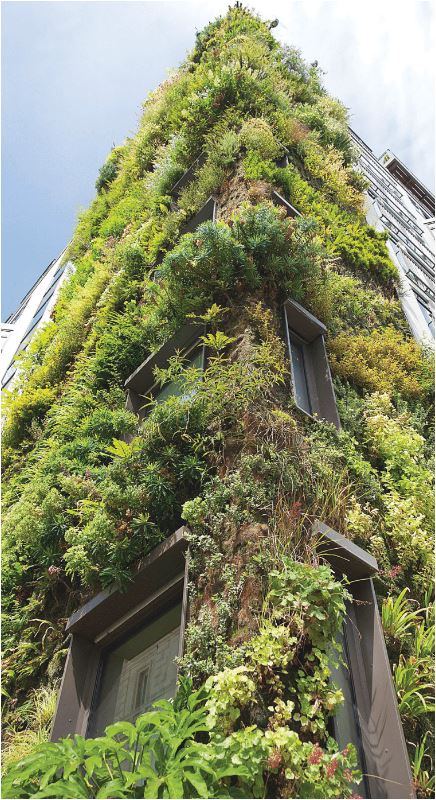
Whether it is a living wall (walls covered in plants rooted in a growing medium), or a roof garden, architecture is taking an increasingly notice-able role in eco-gardening projects. The magnitude and value of these projects have incredible benefits for our environment. It may not be for everyone, but perhaps on the roof of a garden shed or wall of a gazebo?
There are many more techniques to increase the eco-friendly aspects of your garden; these are just the simple ones. Landscape architects can also offer advice on using greywater and designing your yard to maximize resources. Whether you go it alone, seek professional advice for even more eco-friendly garden options or just incorporate one of the above suggestions, you can take comfort in knowing that everything you do is helping our planet and our environment.