Thursday, March 26, 2026
10 Neat Things

10 Neat Things about early food for bees

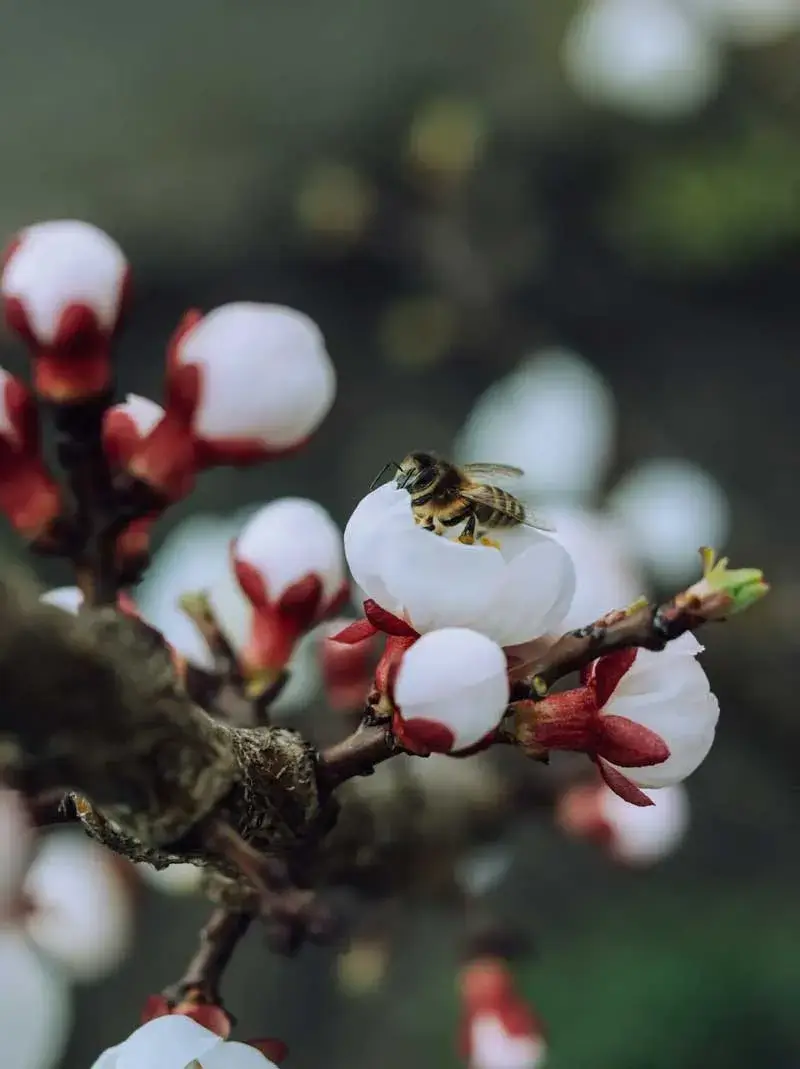
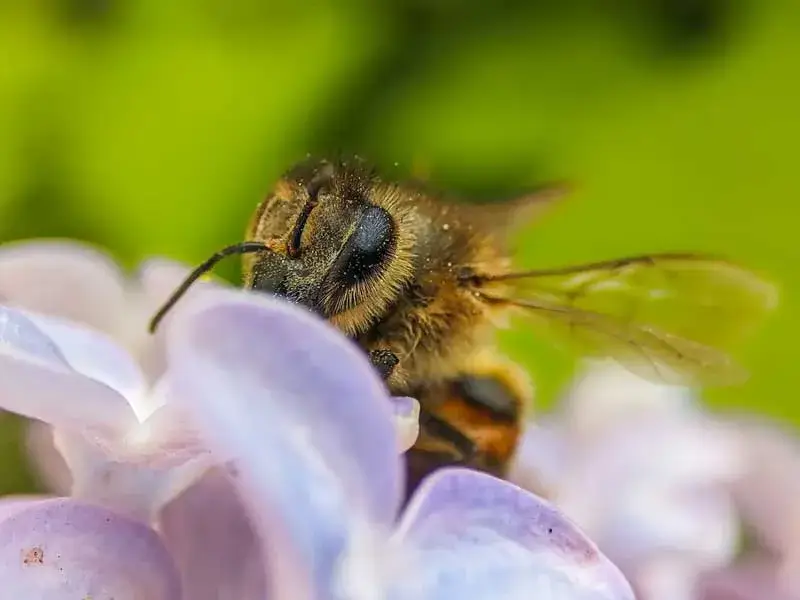
Early spring is a critical moment for bees, even if most people barely notice what is in bloom. Colonies are coming out of winter depleted and immediately need pollen, not just nectar, to raise new brood and rebuild their strength. At the same time, food is patchy and weather often limits when bees can forage. The most effective support comes not from one perfect plant, but from a mix of early trees and native flowers that together provide a steady, balanced supply when it is needed most. Here are 10 Neat Things about early food for bees.

1. Bees rely on pollen more than most people realise

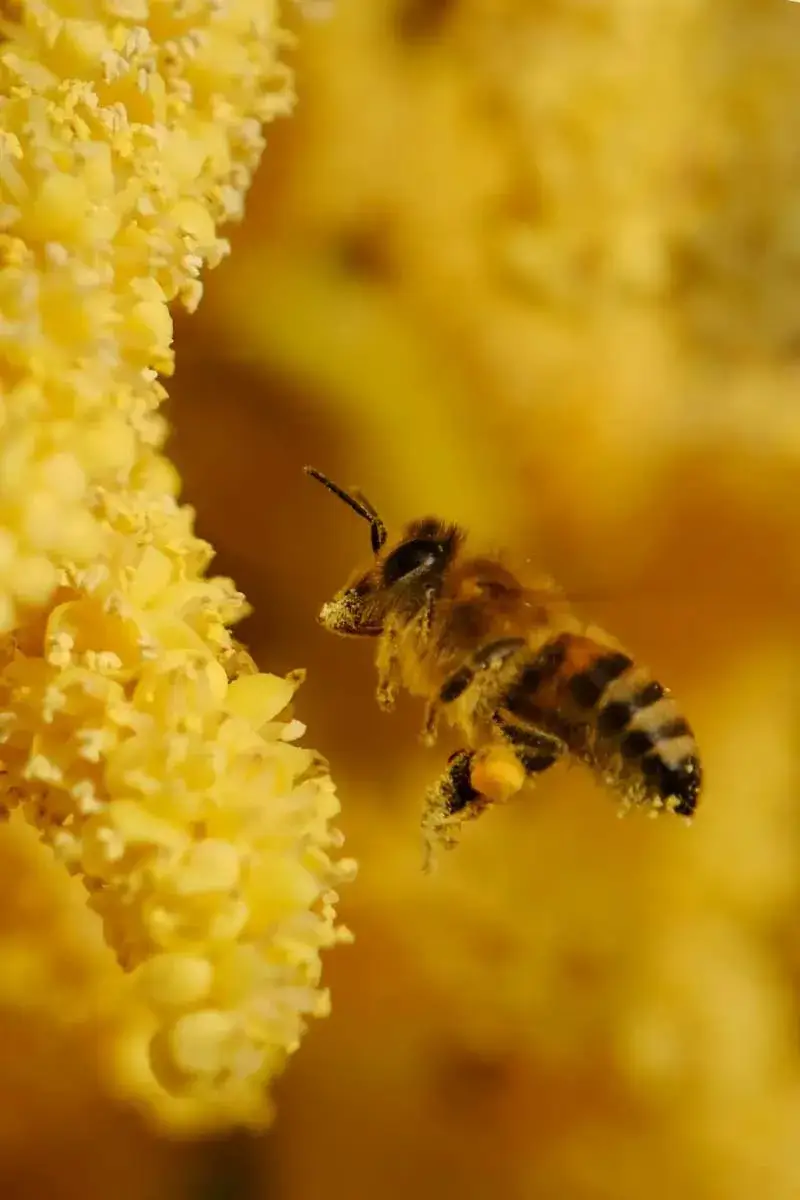
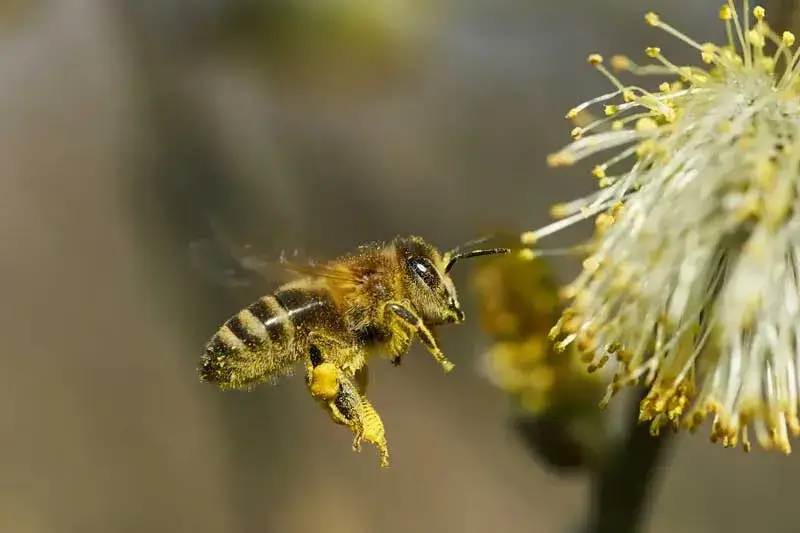
Nectar gets the attention, but pollen is what feeds developing bees. It provides the protein, fats, and nutrients needed to raise brood. In early spring, when bees are rebuilding, pollen supplies the building blocks while nectar provides the energy. Without a steady supply of pollen, brood rearing slows or stops, even if nectar is available.

2. Early spring is a bottleneck for bee survival

After winter, honeybee colonies are low on stores and just beginning to raise young, while most native bees are just emerging and starting their life cycle. If weather is cold or flowers are scarce, even a short gap in food can slow or weaken colony growth. This early period often determines how strong a colony will be for the rest of the season.

3. Willow is one of the best early foods available

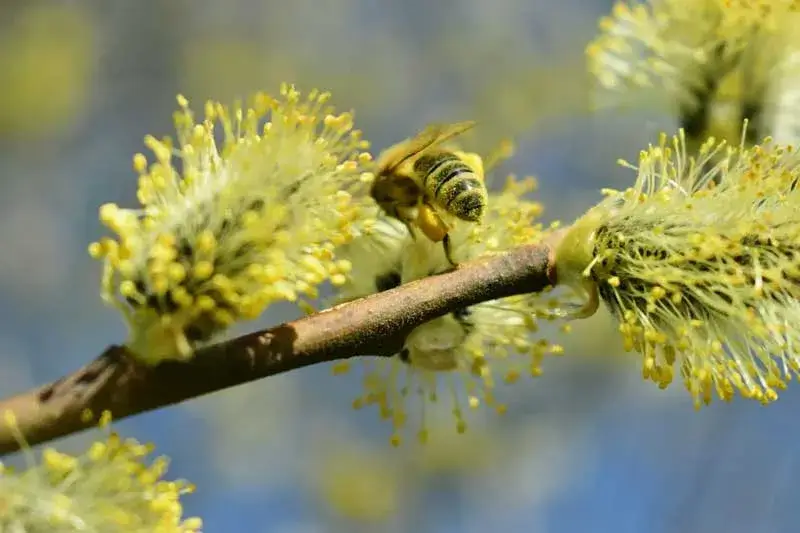
Willows are insect-pollinated and produce both nectar and high-quality pollen. They are one of the most reliable early food sources across much of Canada, especially in colder regions. Bees with access to willow often build brood earlier and more quickly than those without it.

4. Maples help bridge the early season gap

Many maples are partly wind-pollinated, but they still produce nectar and pollen that bees use readily. They often bloom before most garden plants are even awake. In many areas, they provide one of the first substantial food sources after winter.

5. Dandelions are helpful, even if they are not complete food

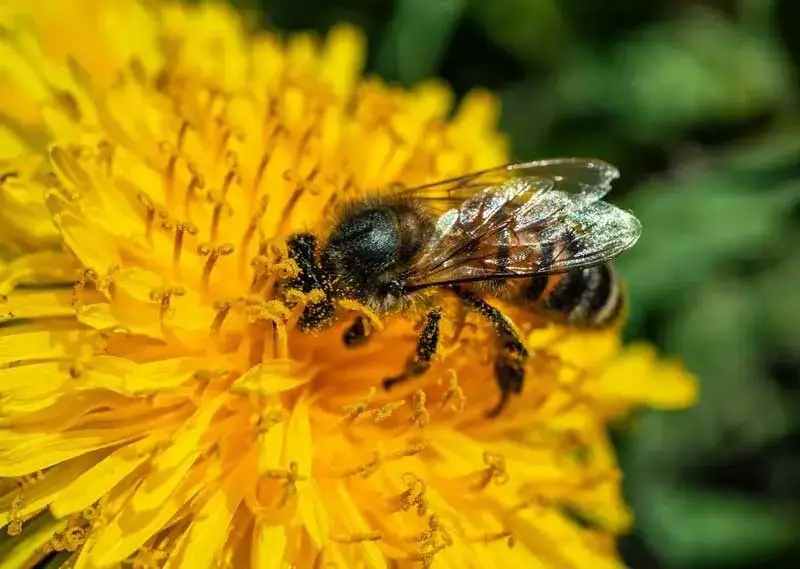
Dandelions provide both nectar and pollen at a critical time. Their pollen is not as nutritionally balanced as some tree sources, but they are widespread and dependable, especially in urban areas. For many bees, they act as a steady backup when other sources are limited.

6. Not all pollen is equal

Different plants offer different amino acid profiles. Bees benefit from a mix of sources. A varied early diet leads to stronger brood development and healthier colonies. Relying on only one or two plant types can limit growth even if food seems abundant.

7. Small flowers can make a real difference

Crocus, snowdrops, and other early bulbs provide accessible food during brief warm spells. Individually they are small, but together they help fill gaps between larger bloom periods. In colder climates, those small windows can be surprisingly important.

8. Trees matter more than most gardens

Large trees like willow, maple and poplar produce far more pollen and nectar than most garden plants. A single mature tree can support far more bees than a small flower bed. Neighbourhood tree cover has a real impact on pollinator health.

9. Weather often limits access to food

Even when plants are in bloom, bees cannot fly in cold or wet conditions. This means early-season forage needs to be both available and accessible during short windows of suitable weather. A few warm days can make a significant difference if flowers are ready when bees can fly.

10. Balance matters more than perfection

Lawns are not useless, and dandelions alone are not the full answer. The goal is balance. A yard that includes some lawn, along with trees, shrubs, and early flowers, provides far better support than any single approach on its own. Small additions, like a tree or a patch of early bulbs, can have a disproportionate impact.

Bonus section!

Spring native flowers for bees

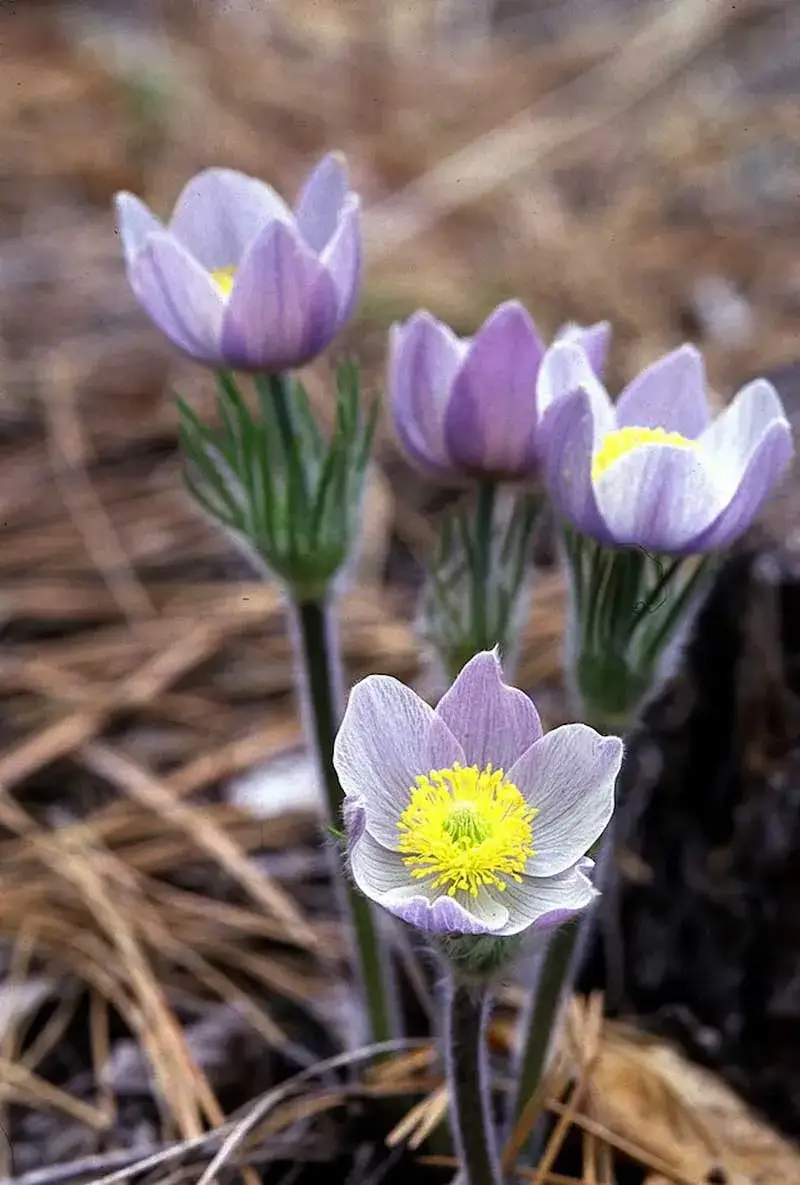
Prairie crocus (Pulsatilla patens)

One of the earliest native flowers on the Prairies, often blooming while snow is still melting. It provides accessible pollen during brief warm periods when bees first begin to fly.

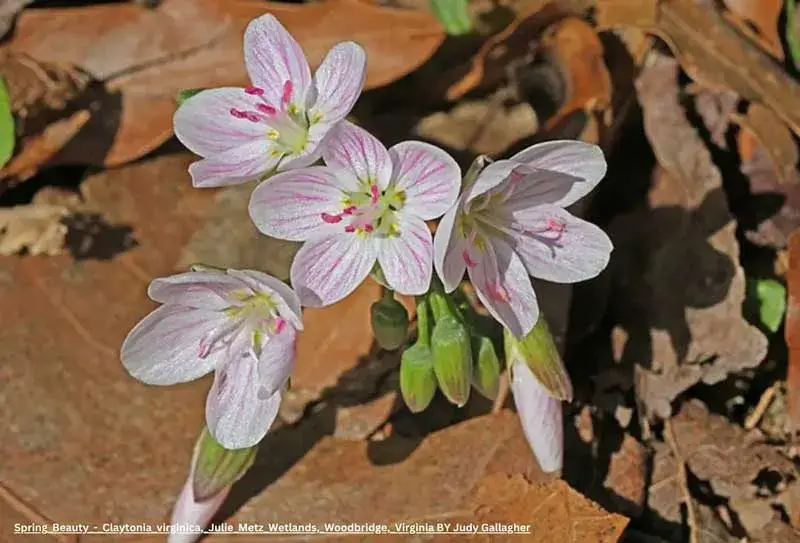
Spring beauty (Claytonia virginica)

A woodland ephemeral that blooms early and disappears quickly. It supports small native bees and is well adapted to shady areas under deciduous trees.

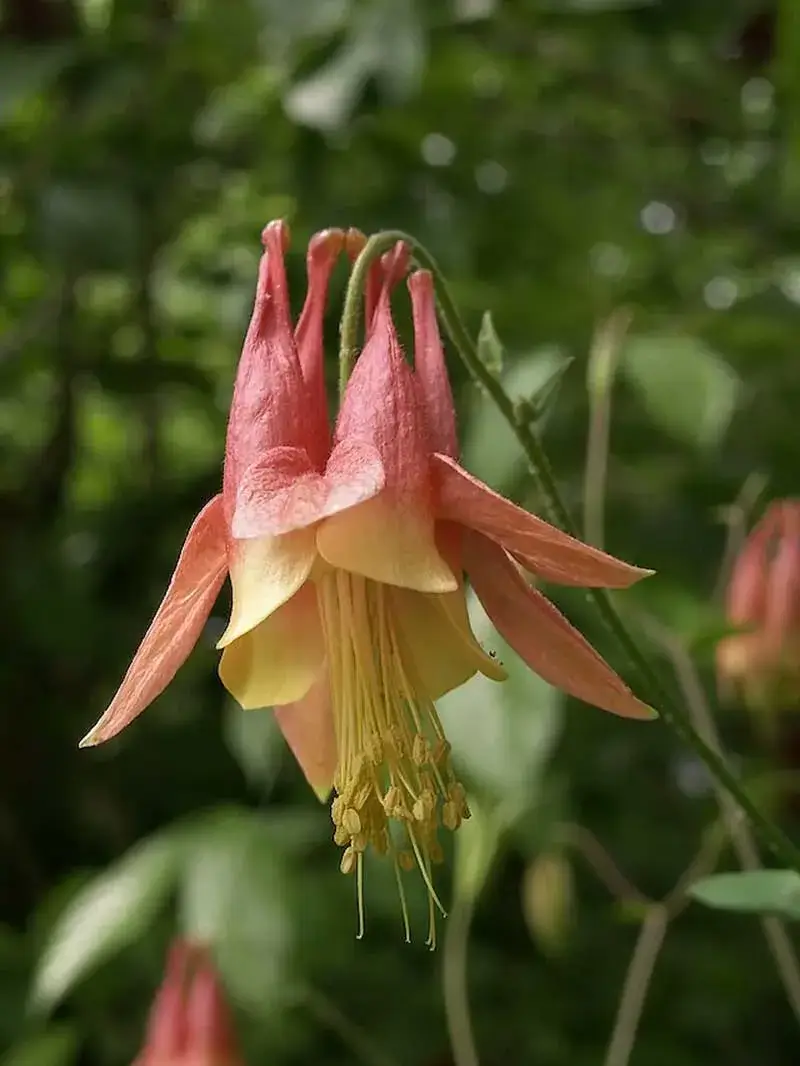
Blooms a bit later in spring and provides nectar as well as pollen. It is particularly useful because it bridges the gap between very early bloomers and summer plants.

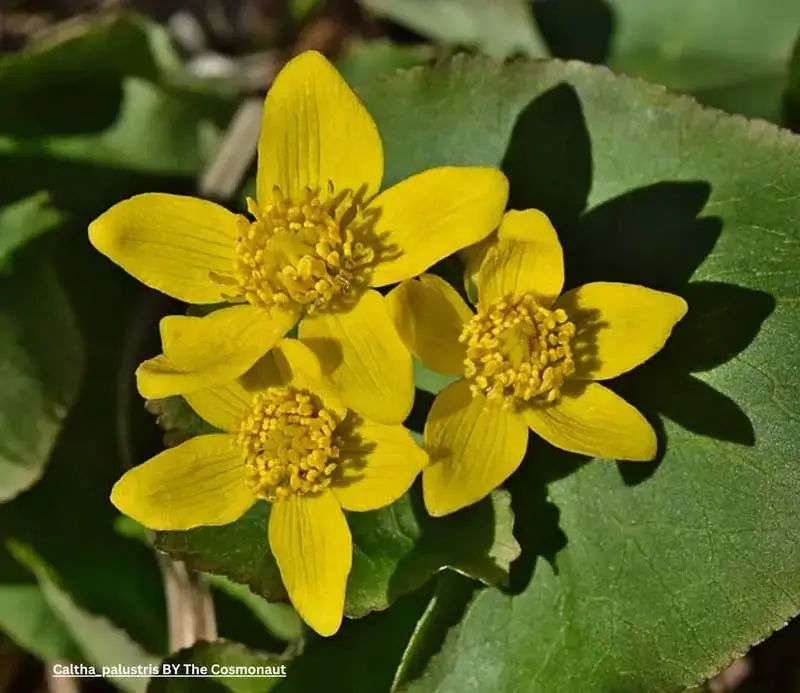
Marsh marigold (Caltha palustris)

Thrives in wet areas and blooms early. It offers both nectar and pollen when few other wetland plants are available.

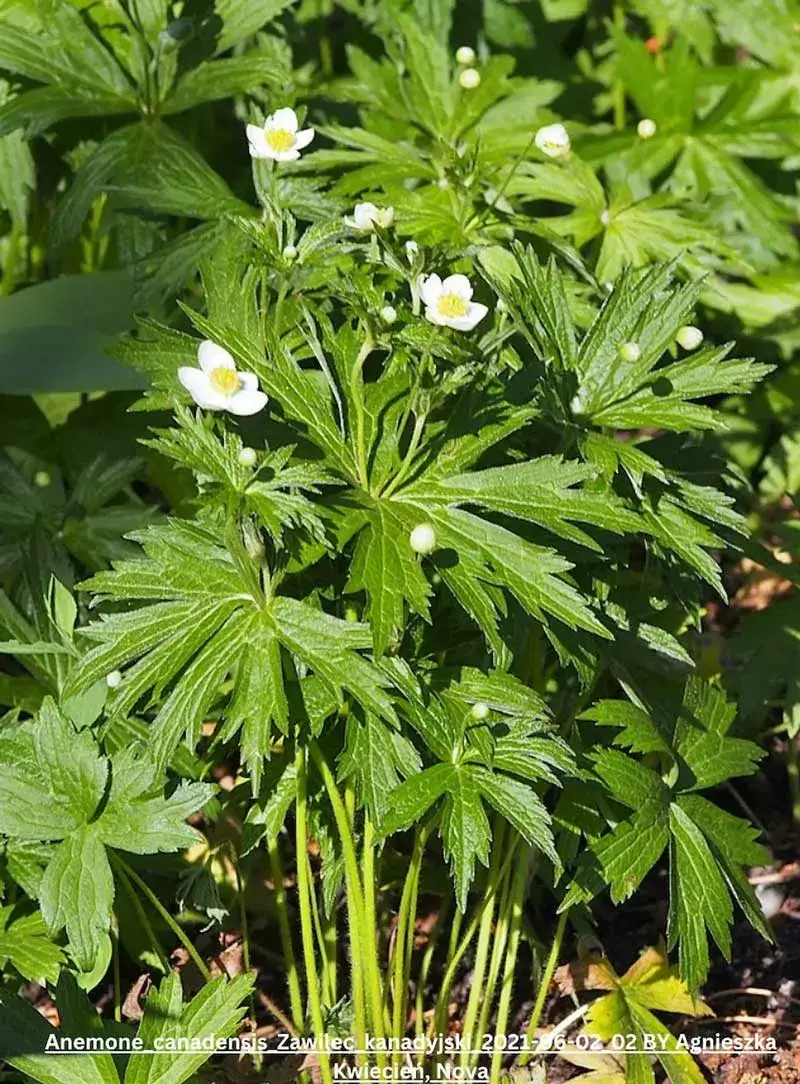
Canada anemone (Anemone canadensis)

A reliable native that spreads easily. It provides pollen for a range of insects and helps build diversity in early-season forage.