Wednesday, March 11, 2026
10 Neat Things

10 neat things about sparrows


Sparrows are among the birds most closely tied to gardens, even if we do not always think of them that way. They forage under shrubs, pull insects from vegetable beds, and rely on hedges, seed heads, and old structures for shelter. In Canadian gardens, the sparrows you see tell a quiet story about how our landscapes shape wildlife, and how wildlife adapts in return.

1. The sparrow you see most often in gardens is not native

In most Canadian yards and community gardens, the bird people call a sparrow is the house sparrow. It was introduced from Europe in the mid-1800s and spread by following farms, towns and cities. Many native Canadian sparrows prefer meadows, wetlands or woodland edges and visit gardens more selectively.

2. Gardens mimic the habitats house sparrows evolved with

House sparrows evolved alongside human agriculture, feeding on grain and nesting in buildings. Lawns, sheds, fences, and patio spaces closely resemble that environment. This is why house sparrows are so comfortable in gardens compared with many native birds.

3. Native sparrows use gardens as feeding stations, not homes

Song sparrows, white throated sparrows, and savannah sparrows often pass through gardens to feed but nest elsewhere. They are more likely to appear where gardens border fields, ravines, or naturalized areas. Their presence often signals good nearby habitat rather than garden design alone.

4. Sparrows are ground foragers that respond to planting style

Most sparrows feed on or near the ground, scratching through leaf litter for insects and seeds. Gardens with mulch, fallen leaves, and mixed planting offer far more food than bare soil or tightly clipped lawns. A slightly messy garden is more useful to sparrows than a tidy one.

5. Seeds are not enough, especially in spring

Although sparrows are often seen eating seeds, almost all species rely on insects to raise their young. Nestlings need soft, protein rich prey such as caterpillars, beetles and flies to develop properly. Gardens that support insects in spring are therefore far more valuable to sparrows than gardens that offer seed alone.

6. Dense shrubs matter more than feeders

While sparrows will use bird feeders, they rely even more on dense shrubs and hedges for shelter. Evergreens, dogwoods, and thick deciduous shrubs provide protection from predators and weather. Gardens without cover tend to have fewer sparrows, regardless of how much seed is offered.

7. Gardening choices influence which sparrows dominate

House sparrows tend to benefit from open lawns, buildings, and feeders placed close to structures. Native sparrows are more likely to use gardens with dense shrubs, layered planting, leaf litter, and food left on plants rather than only in feeders. By shaping structure and shelter, gardeners quietly decide which birds their space supports. It will take time, but if you’re determined, you can change what kinds of birds frequent your yard.

8. Winter gardens are critical sparrow habitat

In winter, sparrows depend on seed heads, sheltered corners, and group roosting sites. Leaving perennials standing and avoiding heavy fall cleanup improves winter survival. Gardens that look lifeless to people can be full of bird activity.

9. Sparrow presence reflects broader garden ecology

Changes in sparrow numbers can point to shifts in insect populations, plant diversity, or surrounding land use. Fewer native sparrows often means fewer grasslands and natural edges nearby. Gardens are part of that larger landscape story.

10. Gardening for sparrows supports many species

Practices that help sparrows also benefit other small birds and pollinators. Plant diversity, structural layers, and tolerance for natural mess create resilient gardens. A garden that works for sparrows usually works for wildlife as a whole.

Bonus!

Native Canadian sparrows to watch for in gardens

These species will use gardens, especially those with shrubs, leaf litter, and nearby natural areas.

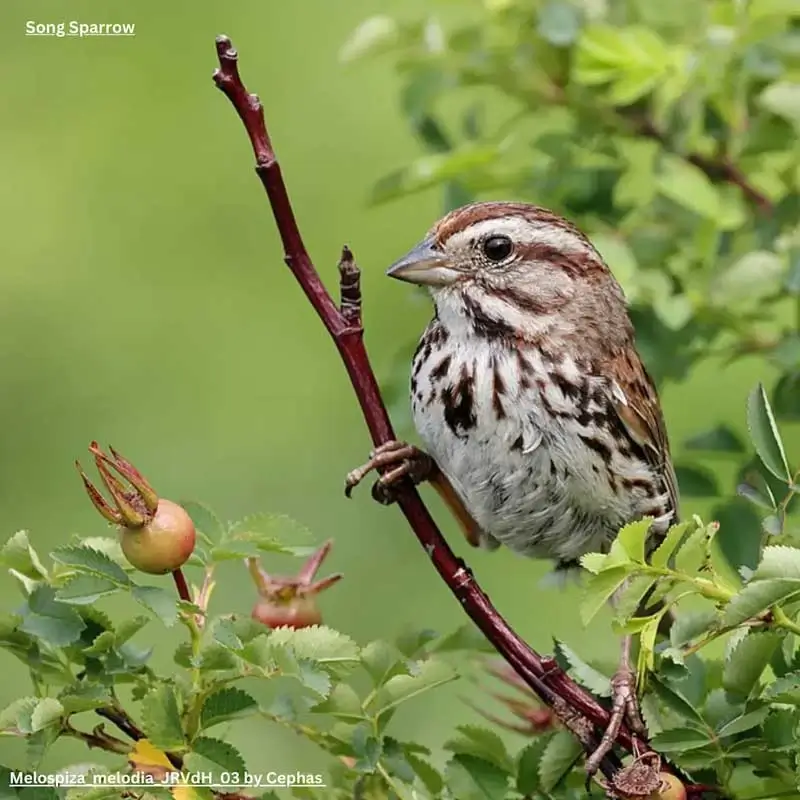
Song sparrow

The most garden-tolerant native sparrow. Likely where there is dense shrubbery, rain gardens, or naturalized edges.

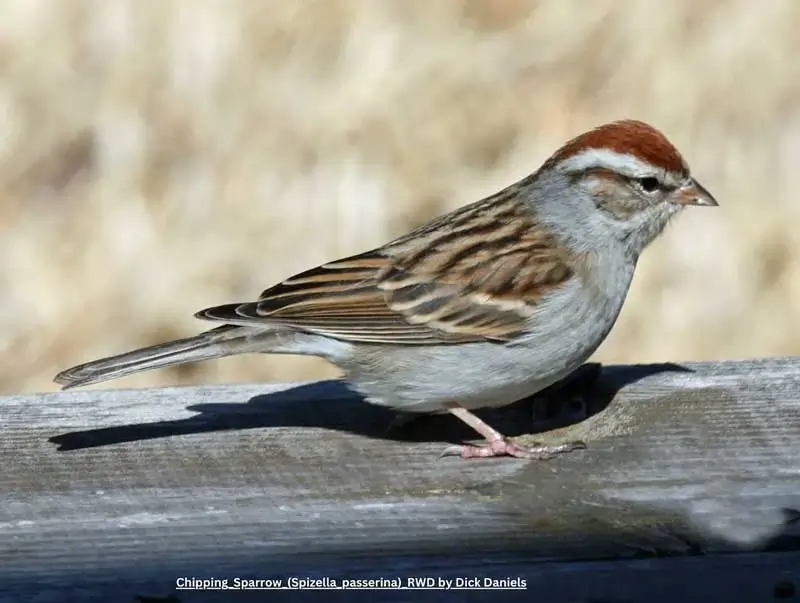
Chipping sparrow

Occasionally nests in yards with trees and light disturbance, especially in suburban or rural settings.

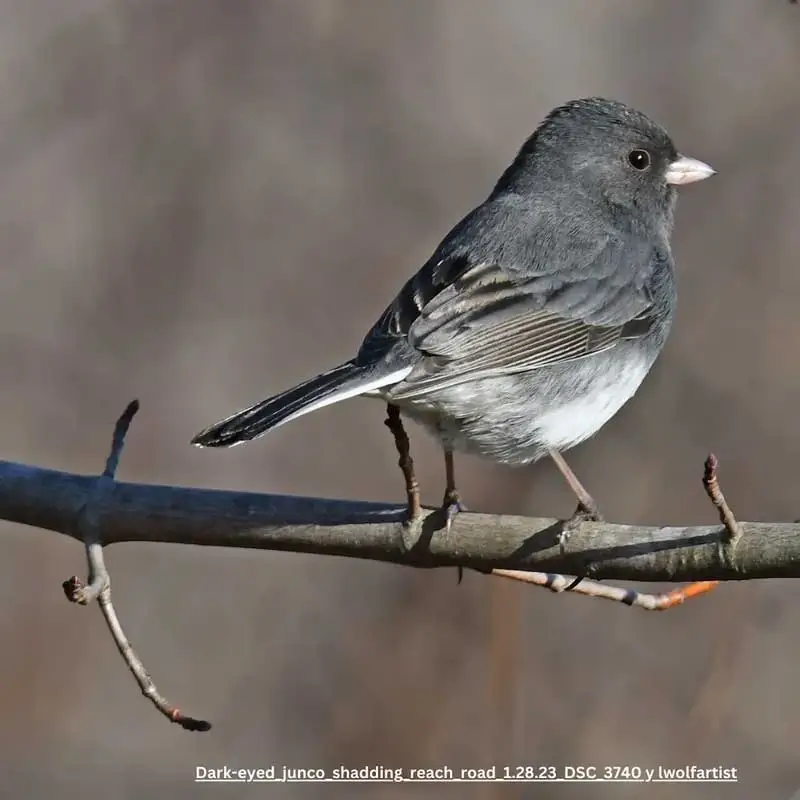
Dark eyed junco

Very common in gardens in fall and winter, feeding on the ground. Breeds in forests rather than yards.

White crowned sparrow

Often appears in gardens during spring and fall migration, especially in shrubby or less manicured spaces.

Fox sparrow

A short term garden visitor during migration, most likely where leaf litter and mulch are left undisturbed.