
Native red columbine: a Canadian wildflower with flair
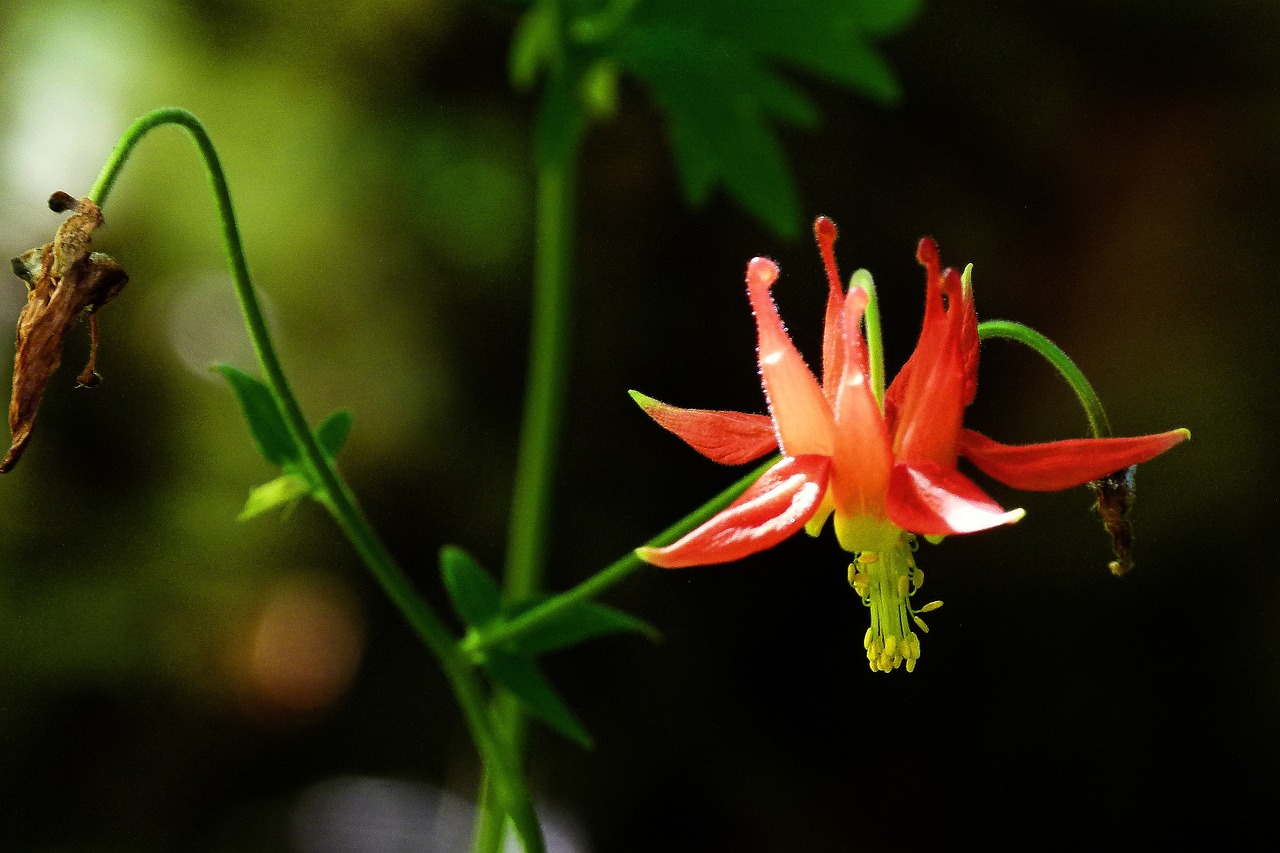
Few native plants combine charm and resilience quite like the red columbine (Aquilegia canadensis). With its nodding, lantern-shaped flowers in red and yellow, this perennial brings a touch of wild woodland beauty to gardens while asking very little in return. It is one of those plants that looks delicate but is actually quite tough, a trait many gardeners appreciate.
A plant with history
Red columbine has been admired in North America for centuries. Indigenous peoples used parts of the plant medicinally, and early settlers delighted in its unusual, spurred flowers. Its Latin name, Aquilegia, comes from the word for eagle, a nod to the flower’s backward-pointing spurs that resemble talons. The common name, columbine, is from the Latin columba, meaning dove, as the flower can also be seen as a cluster of doves bowing their heads together.
Where it grows naturally
In the wild, you’ll find red columbine thriving in open woodlands, rocky slopes, and meadows across much of Canada and the eastern United States. It grows especially well in dappled shade, often in thin soils where fussier plants would falter. Its ability to tolerate wind, rocky ground, and dry spells makes it an adaptable addition to a home garden.
Benefits to pollinators
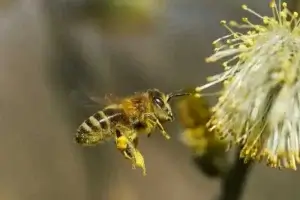
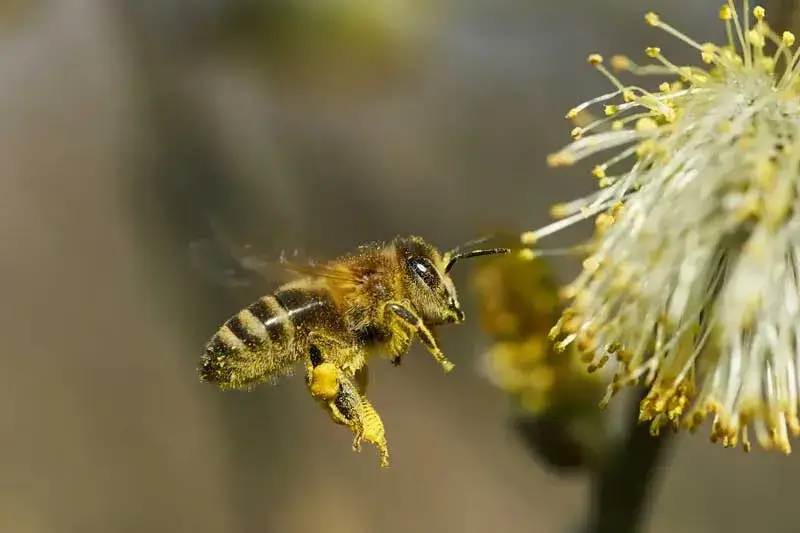
Hummingbirds are the primary pollinators of red columbine, and they’re drawn to its tubular, nectar-rich flowers like magnets. Butterflies and native bees also stop by, making this plant a reliable choice for anyone hoping to support pollinators. Planting columbine in clusters will give these visitors more incentive to linger.
How to grow it
Red columbine is easy to grow from seed, though patience is required. The seeds germinate best after a cold period, so fall sowing often yields success. Once established, the plants reseed generously, naturalising into charming colonies. They prefer partial shade but can tolerate sun if the soil isn’t too dry. A light soil with decent drainage suits them best. Deadheading can extend bloom time, but many gardeners let the seed heads form; their unusual shape is decorative in its own right.
A woodland garden staple
This plant is a fine companion for other woodland species like ferns, wild geraniums, and trilliums. Its airy foliage doesn’t smother its neighbours, and the spring bloom fills an important early-season gap in the garden. Unlike some garden divas, columbine doesn’t insist on centre stage—it contributes beauty while blending seamlessly into a naturalistic planting.
Don’t eat it!
Like many plants in the buttercup family, red columbine contains alkaloids that can be toxic if ingested in large amounts. There’s no need for alarm, but it’s wise to discourage nibbling pets or children. In the garden, however, deer tend to leave it alone, which is another point in its favour.
Why grow it
Red columbine is a symbol of how native plants can be both ornamental and ecologically useful. It links us to our natural heritage while enhancing our gardens with colour, movement, and life. Whether you’re planting for pollinators, looking to restore a patch of native groundcover, or simply wanting a flower that looks like it was designed by whimsy itself, Aquilegia canadensis is a brilliant choice.