Monday, March 23, 2026
10 Neat ThingsGarden InfoGardening for BeginnersLocal Gardener

Water while you’re away: 10 Neat Things about keeping the garden hydrated


Summer holidays are calling, but what about your veggies, shrubs and flowers? Whether you’re off for a weekend at the lake or a two-week getaway, your garden doesn’t have to suffer. With a bit of planning and a few clever tools – both ancientor modern – you can keep everything thriving while you’re away. From DIY tricks to set-it-and-forget-it systems, here are 10 Neat Things to keep your garden watered, even when you’re nowhere near it.

1. Containers that water themselves.

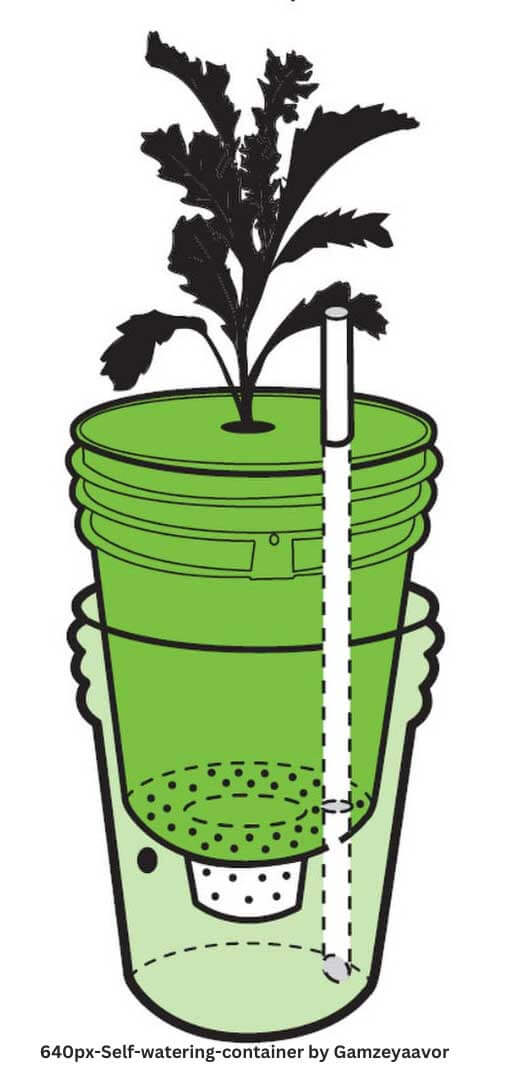
Wicking beds and self-watering containers use a reservoir of water underneath the soil that lets moisture rise slowly through capillary action. These systems can keep plants watered without any help from you. A 10-inch pot should make it through the weekend if you go to the cottage; a raised bed could last a couple of weeks. The lasting power depends on the size of the reservoir, the amount of sun and how hot it is.

Drawing of a self-watering container.

2. Soaker hoses are simple, smart, and set-it-and-forget-it.

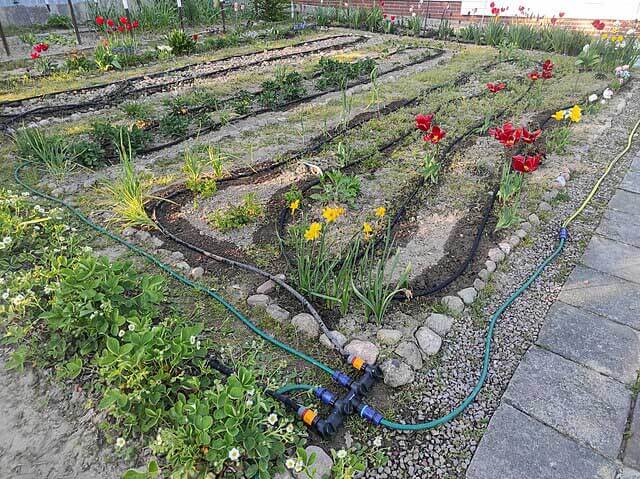
A soaker hose slowly releases water along its length, seeping into the soil right down at the roots. Lay it along your garden rows or weave it through raised beds, then cover it with mulch to hold in moisture and protect the hose. Hook it up to a basic water timer, and you’ve got a no-fuss, water-efficient system that can keep your veggies thriving while you’re away. You don’t need to leave town to water your garden this way, either; this is how I water my vegetable garden all summer.

Soaker hoses throughout a garden.

3. Bury an olla for easy, deep watering.

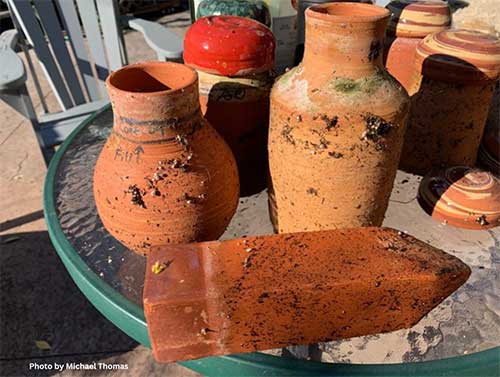
An olla (pronounced “oy-yah”) is a porous terracotta vessel buried in the soil with just the neck exposed. Fill it with water, and moisture slowly seeps through the walls, directly hydrating plant roots. To install one, dig a hole in your garden bed and place the olla so the shoulder of the pot is just below the soil surface. Backfill around it, plant your vegetables nearby (within a foot), and cover the exposed neck with a lid or cork to reduce evaporation and mosquito breeding. Top it up every few days depending on the weather and the size of the olla.

Selection of hand-thrown ollas, recently dug up.

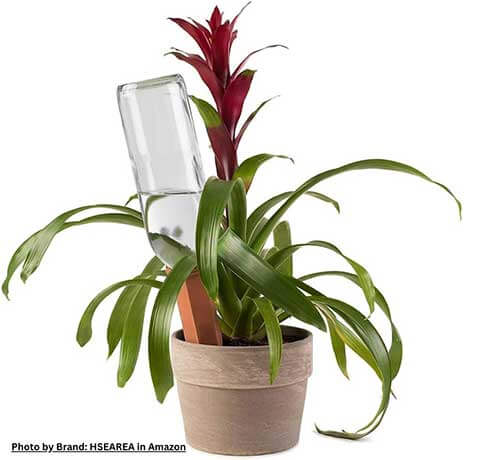
4. Watering spikes and bottle drippers are cheap and cheerful.

If you’re short on time or budget, watering spikes that attach to recycled plastic bottles can be surprisingly effective. Filled bottles slowly release water into the soil through gravity or ceramic wicks, keeping soil moist for a few days. They’re great for pots, raised beds, or in-ground crops, and they’re easy to set up just before you head out. While not as precise as drip irrigation, they offer a simple backup for short absences.

Potted plant with spike watering container.

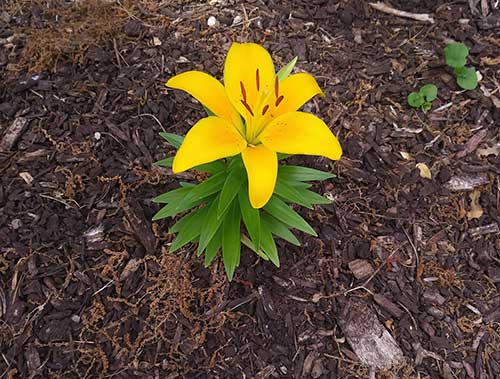
5. Mulch is your best friend.

A thick layer of mulch (straw, shredded leaves, bark or compost) slows evaporation, reduces soil temperature, and keeps moisture where it’s needed most, at the roots.It can also be placed on top of soaker hoses to hide them. (Click here for more about different types of mulch.)

Yellow lily surrounded by wood chip mulch.

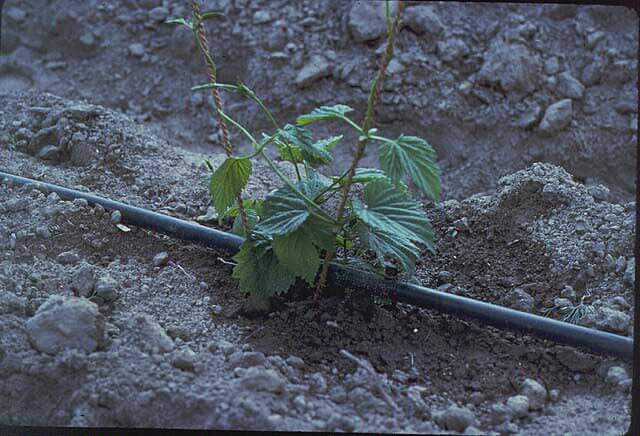
6. Drip irrigation delivers the right amount, right where it counts.

Drip systems use tubing with small emitters that release water slowly and precisely at the base of each plant. It’s efficient and tidy, with minimal waste or runoff. The key is adjusting emitter flow rates or run times to match each plant’s needs, so your thirsty tomatoes get more and your leafy greens get less. Install a timer in place, your garden gets consistent, tailored watering while you’re away.

Soaker hose passing next to a garden plant.

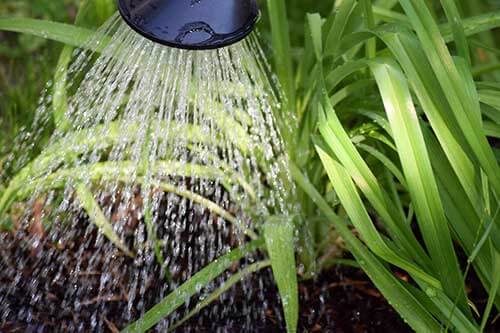
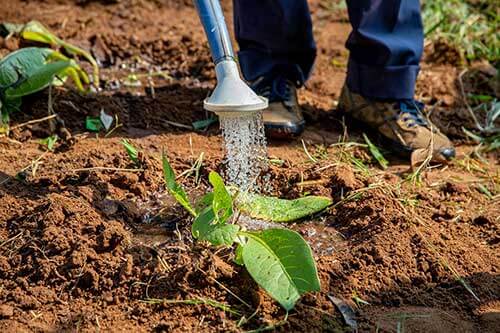
7. Water deeply.

Give your garden a really good soak before heading out and every time you put the hose to the plants. Deep watering encourages roots to grow downward, making plants more resilient to dry spells.

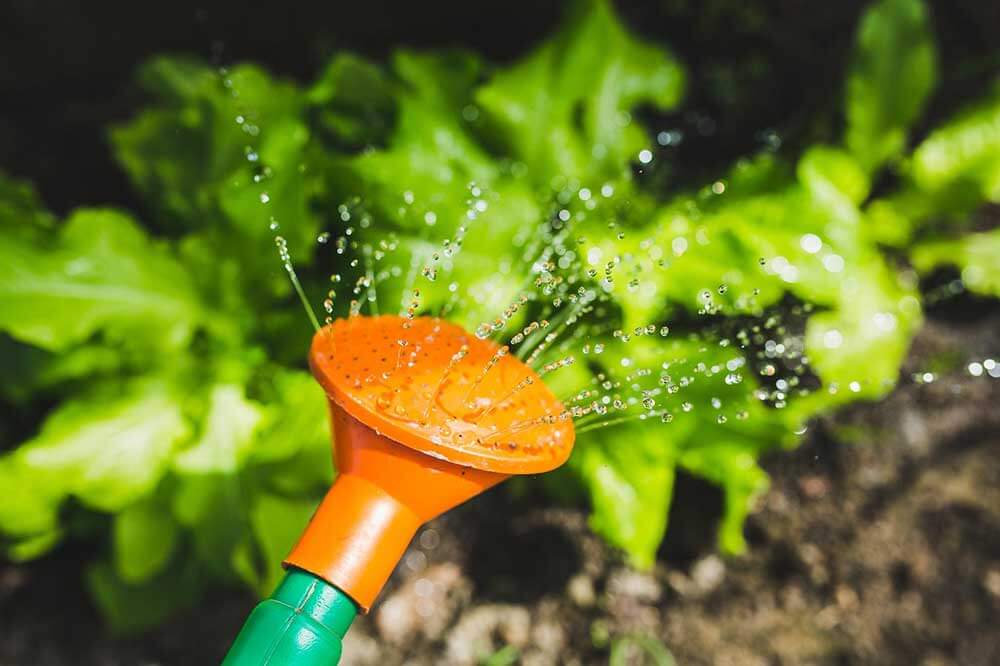
Spray of water over foliage from a watering can.

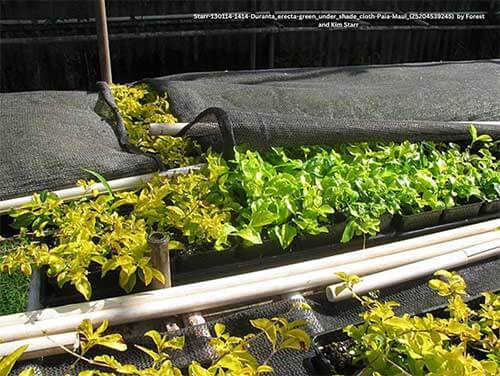
8. Shade cloth cuts water needs.

Temporarily covering parts of your garden with breathable shade cloth can protect sensitive crops from hot sun and reduce their water demand while you’re away. This is easiest if you already have hoops over the garden for other kinds of covering. I’ve been keeping some sun-loving annuals under cover (a kind of shade cloth) in my Vegepod until I get a garden ready for them and I’m impressed how long they last between waterings.

Shade cloths over tender nursery plants.

9. Ask a gardener, not just a neighbour.

If you need help from someone while you’re gone, try to find someone who understands plants; your non-gardening neighbourmay just not get it. A gardener will notice issues and adjust as needed. You can do the same for them when they’re on holidays!

Drizzling water onto a small outdoor plant from a watering can.

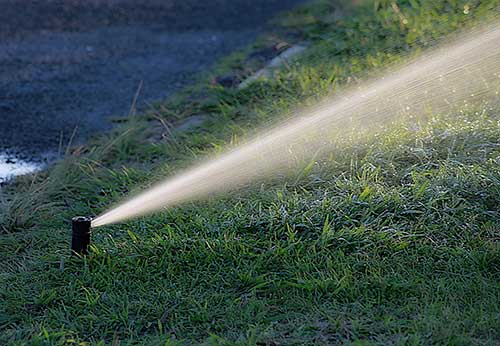
10. Tech makes it easier than ever.

Wi-Fi irrigation controllers and smart soil moisture sensors let you monitor and control watering from your phone even if you’re provinces or countries away. Just make sure your Wi-Fi and hoses are reliable before you leave and keep an eye on the weather at home.

Jet of water from a ground sprinkler