How to increase your perennial garden
By Shauna Dobbie
You love your perennial garden soooo much, you’d like to double or triple what you’ve got. But how do you do that without breaking the bank? There are ways. It depends on which plants you’d like to increase, and it takes a little time, but these are the methods that growers and experienced gardeners use to make more plants.
Division
Many perennials can be propagated by dividing existing clumps. In fact, some need it. If you’ve noticed your formerly well-behaved plant is dying out in the centre, it’s a sign it’s time to divide.
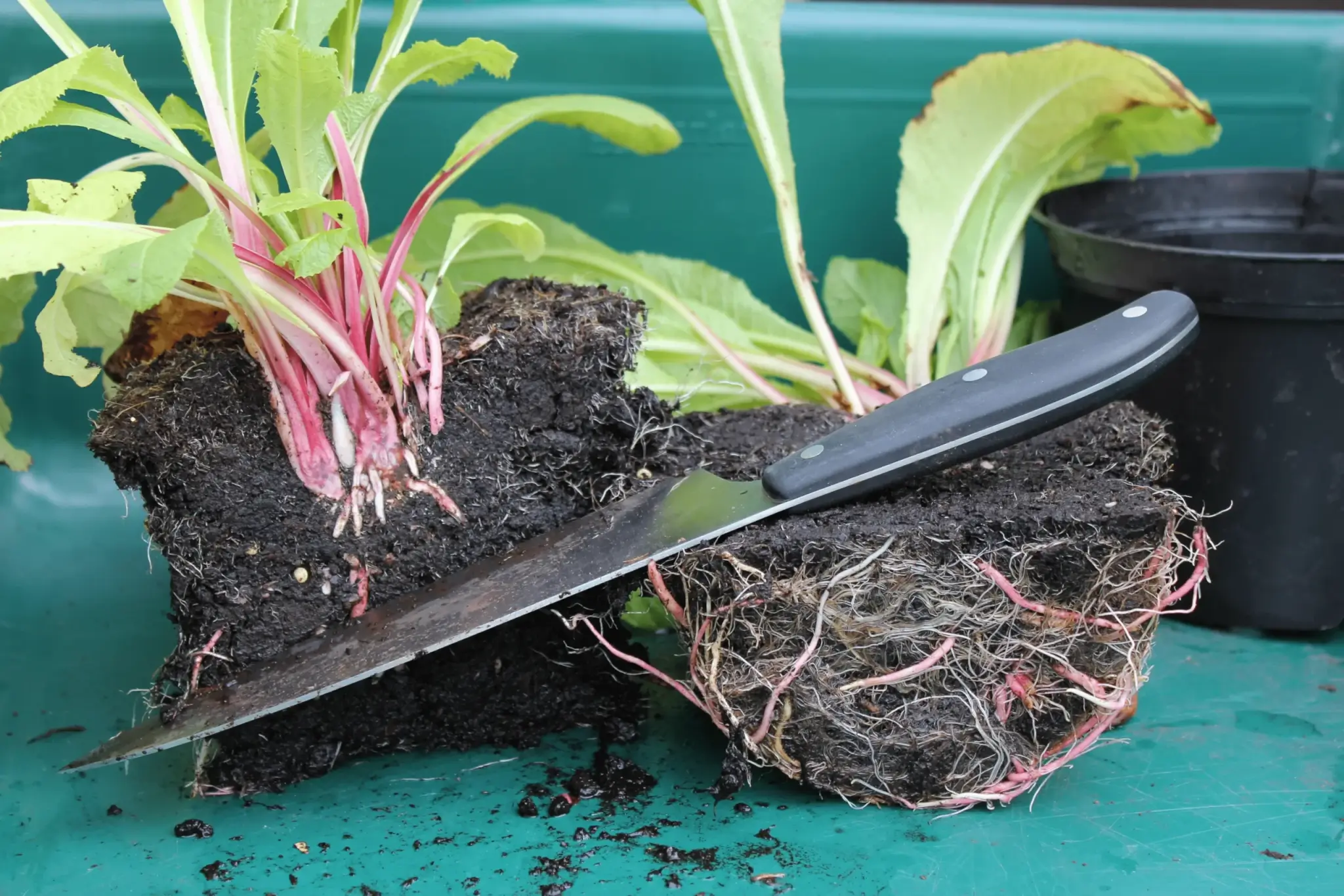
Water the plant a day or two ahead. Use a shovel or garden fork to gently lift the clump from the ground, sinking it into the soil a few inches from the base. Then, separate the plant into smaller sections using your hands, a sharp knife, or even two garden forks back-to-back. Each section should have healthy roots and shoots.
Trim excess foliage and dead material to reduce stress, and replant immediately. Make sure the crown (where the shoots meet the roots) sits level with or slightly above the soil. Water well, mulch, and keep an eye on it while it establishes.
Best time to divide: early spring or fall; spring is usually better in areas with short autumns.
Stem cuttings
Some perennials root easily from stem cuttings—chrysanthemum, heliopsis, monarda, dianthus, and aster are a few. Many shrubs can also be propagated this way, including roses, lilacs, and hydrangeas.
Choose a healthy, non-flowering stem and snip a 4- to 6-inch piece just below a node. Strip the lower leaves and dip the base in rooting hormone if desired.
Plant in a well-draining mix (like perlite and peat) and cover with a clear plastic bag or humidity dome. Keep moist but not wet, and place in bright indirect light. Roots usually form in a few weeks.
When roots resist a gentle tug, begin removing the plastic cover for longer periods each day. Once established, transplant to a pot or garden bed.
Variations: Some plants can also be started from root or leaf cuttings.
Layering
Layering means encouraging a stem to grow roots while still attached to the parent plant. It’s most often used for woody plants and vines.
Bend a low stem to the ground, nick the underside, and bury the wound in soil. Pin it down with a wire or stone and keep the area moist. When roots form—often in a few months—you can sever the stem and transplant the new plant.
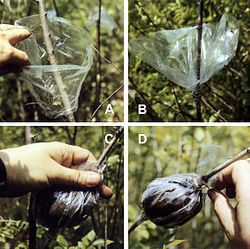
Air layering is another option, often used for trees. A cut is made on a branch and enclosed in a propagation pod filled with soil.
Seeds
Some perennials self-seed easily. Others need specific conditions to germinate, like cold stratification, scarification, or special treatment to overcome natural inhibitors.
Other ways to get perennials at low or no cost
Join a gardening club. The more gardeners you know, the more plants will find you.
Host a neighbourhood plant swap.
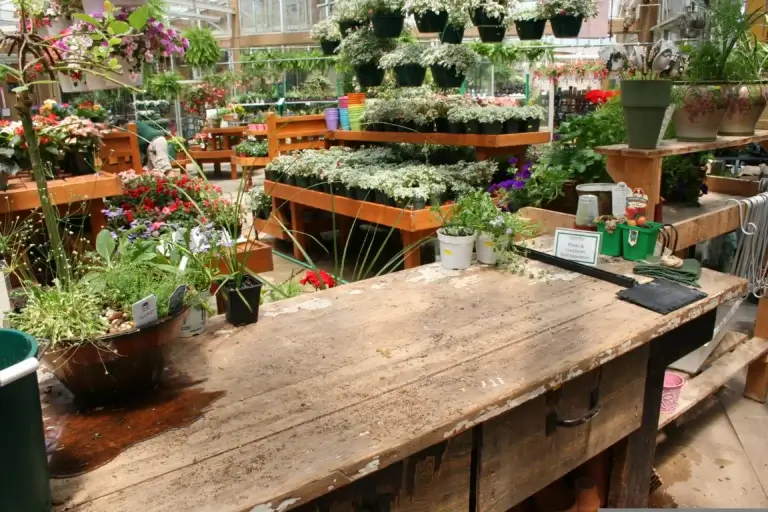
Shop end-of-season nursery sales.
Choose the smallest plants available. They will grow!
Check Kijiji, Facebook Marketplace or your local classifieds.